


Vestiaire Collective vs The RealReal: Which Is Better?
Vestiaire Collective vs The RealReal compared by Pickup Point — fees, authentication, and payouts broken down so you can sell smarter.
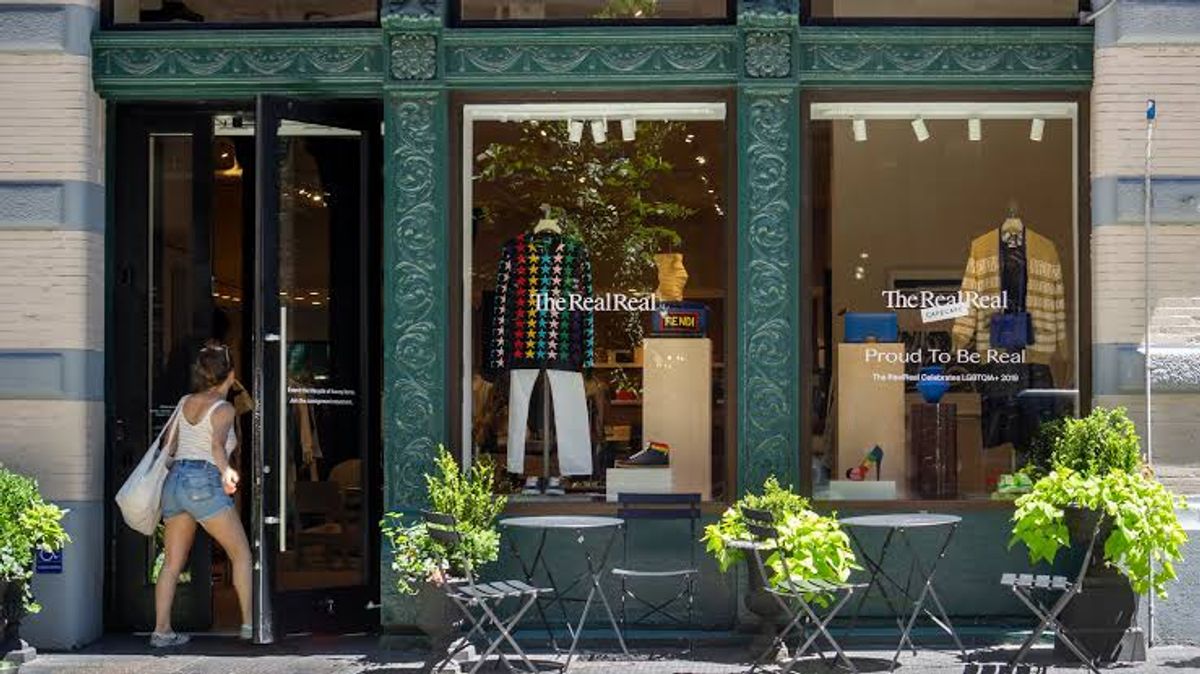
Choosing between Vestiaire Collective and The RealReal is a decision with real money on the line. Both platforms rank among the best luxury resale sites available today, yet they differ significantly in fees, authentication processes, seller control, and the brands they attract. Those differences determine whether a listing sells quickly or sits, and whether a buyer receives exactly what was advertised.
For anyone weighing these platforms, understanding how each one actually operates is more useful than relying on reputation alone. Sellers who want faster payouts, buyers who prioritize strict authentication, and shoppers hunting specific brands will each come to a different conclusion. To compare prices and listings across multiple resale platforms without switching between tabs, second hand designer marketplace Pickup Point offers a broader view of the pre-owned luxury market in one place.
Table of Contents
What Is Vestiaire Collective and What Does It Offer?
What Is The RealReal and What Does It Offer?
What Should You Look for in a Luxury Resale Site?
Vestiaire Collective vs The RealReal: 8 Key Differences for Luxury Shoppers
Which Luxury Resale Site Is Better for You?
Why PICKUPPOINT Is a Trusted Choice for Authenticated Pre-Owned Luxury
Get your Next Luxury Purchase from PICKUPPOINT
Summary
Authenticity verification is the top concern for luxury resale buyers, with 70% of luxury consumers citing it as their main concern when buying pre-owned goods. Platforms that built physical inspection infrastructure early, rather than relying solely on seller-uploaded photos or digital comparisons, are structurally better positioned to meet that standard as listing volume grows.
The luxury resale market is projected to grow at a compound annual growth rate of 10.2% through 2030, meaning more listings, more sellers, and more pressure on authentication systems not designed for that scale. More volume with the same number of trained eyes makes counterfeits more likely to pass undetected, not less.
Luxury resale fee structures rarely deliver what the headline rate suggests. Both Vestiaire Collective and The RealReal publish tiered commission schedules, but automatic markdowns, return windows, shipping charges, and loyalty tier adjustments all affect the final payout. A lower commission rate on a platform with frequent discounting can produce a smaller net return than a higher rate on a platform that sells quickly and closes the return window fast.
The secondhand luxury goods market is growing at 12% annually, outpacing the broader luxury market, and that growth is increasing the incentive to push convincing counterfeits into the resale channel alongside genuine pieces. A July 2025 Wall Street Journal report noted that a new class of handbag copies now matches exterior construction so precisely that brand sales assistants cannot distinguish them from authentic pieces by sight, so authenticators now rely on X-ray and metal-composition testing to find the difference.
Sourcing discipline matters as much as authentication because the integrity problem in resale often starts at intake, before inspection. Open platforms that accept listings from anonymous sellers with no verifiable history create an entry point for counterfeits that no downstream authentication process can fully close. Platforms that trace item origins before accepting a listing, and refuse anything that fails that check, reduce that risk at the source rather than after the fact.
PICKUPPOINT's second hand designer marketplace addresses the sourcing and verification gap by inspecting every piece before a listing exists, drawing from client closet clean-outs and a closed network of fashion contacts rather than open seller submissions.
What Is Vestiaire Collective and What Does It Offer?
Vestiaire Collective is a peer-to-peer marketplace where both private individuals and professional sellers list used designer fashion at prices they set themselves. The platform connects buyers and sellers directly, wrapping every transaction in authentication tools, payment protection, and logistics support.
"Vestiaire Collective operates as a direct-connection marketplace — putting pricing power in the hands of sellers while giving buyers a layer of trust and verification rarely found in secondhand fashion."
💡 What It Offers: Vestiaire Collective isn't just a resale app — it's a full-service ecosystem built around luxury authentication, secure payments, and end-to-end shipping support.
Feature | What It Means for You |
|---|---|
Peer-to-Peer Listings | Buy directly from real sellers, not faceless retailers |
Authentication Tools | Every item is verified before it reaches your door |
Payment Protection | Your money is held securely until the sale is confirmed |
Logistics Support | Shipping and handling are managed through the platform |
🔑 Takeaway: Whether you're a first-time buyer or a seasoned reseller , Vestiaire Collective provides the structure and security that makes trading high-value designer fashion feel genuinely safe.

What catalog and experience does Vestiaire Collective bring to the table?
The catalog includes bags, clothing, shoes, jewelry, watches, and accessories from brands like Chanel, Gucci, Louis Vuitton, and Hermès, including current-season pieces and older styles stores no longer carry. Operating since 2009, Pickup Point has accumulated over 15 years of knowledge about seller behavior, buyer feedback, and item authentication. This experience informs how the reviews platform reviews listings and handles disputes—critical when purchasing a $2,000 item from an unknown seller.
How does the authentication process actually work at Vestiaire Collective?
Every listing undergoes digital review before going live. At checkout, buyers select a shipping path that determines how thorough the inspection is. Authenticated Shipping routes pieces through a Vestiaire Collective warehouse, where 140-plus specialists check materials, stitching, serial numbers, engravings, and authenticity cards using UV lamps, refractometers, and other tools. Items that fail are canceled, and buyers receive full refunds, including fees.
How do buyer fees affect pricing in Vestiaire Collective vs. the Real Real?
Buyer service fees range from 5% to 28% of the item price, with a $5 minimum and $300 cap on USD transactions. This fee appears before checkout confirmation but often surprises buyers comparing prices across platforms: a $900 bag on Vestiaire Collective costs more than the same model listed elsewhere once fees are included. Platforms like second hand designer aggregate listings across multiple resale sites, enabling side-by-side comparison. Our platform consolidates options in one place to help you find the best deals.
What do sellers actually keep after fees?
Listing is free, and the fee schedule for US sellers takes 12% on items priced between $83 and $16,667, plus a 3% payment-processing fee. On a $500 sale, that leaves the seller roughly $425 before any payout minimums. The platform operates across multiple countries with item descriptions translated into six languages, enabling sellers in Paris and buyers in Singapore to transact without language or currency conversion barriers.
Is buying pre-owned luxury a real first choice for shoppers?
Buying pre-owned is not settling for less. A BCG survey of 7,800 Vestiaire Collective users found that resale makes up 28% of those wardrobes and 40% of their handbags, with nearly 80% of respondents citing affordability as a top reason for buying secondhand. This reflects a generation treating pre-loved luxury as a first choice, not a backup, because wearing a piece with history makes its own statement about what you value.
Related Reading
What Is The RealReal and What Does It Offer?
The RealReal works differently than peer-to-peer platforms. You buy from a company that has already checked, priced, and verified the item—putting its reputation on the line for the description. This structural change reduces buyer risk significantly.
"Unlike peer-to-peer resale, The RealReal puts its own reputation behind every item—authentication, pricing, and condition are verified before the item ever reaches a buyer." — The RealReal Business Model
🔑 Takeaway: The RealReal is not a marketplace where you negotiate with strangers—it's a fully managed resale company that absorbs the verification risk on your behalf.
💡 Key Difference: When you shop The RealReal, you're buying from a trusted intermediary, not an anonymous seller—meaning every item has been authenticated, described, and priced by a professional team before it reaches you.
Feature | The RealReal | Peer-to-Peer Platforms |
|---|---|---|
Authentication | Professional, in-house verification | Seller's word only |
Pricing | Set by company experts | Negotiated between users |
Buyer Risk | Significantly reduced | Higher — varies by seller |
Reputation Accountability | Company stands behind every item | Individual seller accountability |

What the authentication process actually means
The RealReal employs more than 100 in-house specialists who physically handle every item before it goes live. Their reference set, built over 13 years, includes records on more than 37 million authenticated pieces and over 250,000 items identified as inauthentic. The platform uses XRF machines to read metal alloys in jewelry and hardware, and a computer vision tool called TRR Vision that compares microscopic images against this accumulated library. This combination of human expertise and physical testing addresses the counterfeiting risk documented across the luxury secondhand market.
How pricing and payouts actually work
In the consignment model, The RealReal sets the price, not the seller. Pricing reflects demand, scarcity, and condition, with markdowns when pieces sit. A seller's payout is calculated on the final sold price, so a 20 percent promotion reduces your check by that amount. The earnings structure is tiered: a $300 clothing or accessories item returns 60 percent to the consignor, while pieces above $5,000 return 70 percent. Loyalty tiers add up to 5 percent for high-volume sellers. This structure rewards quality and volume but gives the platform meaningful control over how and when your item sells.
What is the final sale rule and when does it apply?
The final sale rule applies to handbags, items marked As Is, and anything discounted 40 percent or more. Buy a bag at a steep discount, and the return window doesn't apply unless The RealReal described the item incorrectly.
How does Vestiaire Collective vs. The RealReal change what you expect from the experience?
Platforms like Pickup Point frame pre-loved luxury as a thoughtful choice that helps the planet and the people around you. Our platform asks a different question: not "how do I avoid getting burned?" but "how do I find something worth keeping?" That shift changes what you seek in a platform and what you expect from the experience.
What the return window tells you about trust
The 14-day return request window and 21-day return deadline are shorter than most retail experiences. Online returns cost $15.95 in label fees, and in-store returns carry a restocking fee unless you purchase something else on the same visit. A missing security tag voids the return entirely. These terms reflect the cost of operating physical authentication centers and managing reverse logistics at scale. Understanding this trade-off is how you shop The RealReal without surprises: the authentication is real, and so are the constraints that accompany it. But knowing what one platform offers raises a sharper question: which platform should you trust with your next purchase?
What Should You Look for in a Luxury Resale Site?
Choosing a luxury resale platform isn't about finding the lowest price on a Chanel flap or Louis Vuitton Neverfull. It's about finding a system that removes your exposure to three critical risks in every pre-owned luxury transaction: counterfeit products, shrinking payouts between quote and deposit, and return disputes landing back in your lap.
"Every pre-owned luxury transaction carries three core risks: counterfeits, payout erosion, and unresolved return disputes — the right platform eliminates all three."
🎯 Key Point: The real question isn't "which platform is cheapest?" — it's which platform protects you most across authentication, payouts, and dispute resolution.
⚠️ Warning: Ignoring these three risk categories is the most common mistake sellers and buyers make when choosing a luxury resale site — and it can cost you far more than a lower commission rate ever saves.
Risk Category | What It Means | What to Look For |
|---|---|---|
Counterfeit Products | Fake items passing as authentic | Rigorous in-house authentication process |
Payout Shrinkage | Quote drops between offer and deposit | Guaranteed payout policies, transparent pricing |
Return Disputes | Buyer returns landing back on the seller | Platform-absorbed dispute resolution |

Does Vestiaire Collective vs. the RealReal actually authenticate items physically?
Ask who physically touched the item before it was listed: who held the bag, pressed the hardware, checked the stamp depth, and measured the lining against house specifications. According to Verified Market Reports, the luxury resale market is projected to grow at a 10.2% CAGR through 2030. More listings with the same number of trained eyes reward platforms that built physical inspection infrastructure early, not ones relying on seller uploads and crowd-sourced flags.
Why can seller photo reviews no longer count as real authentication?
The Wall Street Journal reported in July 2025 that new handbag counterfeits now match exterior construction so precisely that brand sales assistants cannot distinguish them from genuine pieces by sight alone. Authenticators now rely on X-ray and metal-composition testing to identify differences. A platform that accepts seller photos and calls that a review unauthenticated; it has published an ad.
What does the payout percentage really mean for sellers?
The payout percentage shown on the seller landing page is a starting point, not a contract. What matters is what ends up in your account after automatic markdowns, return windows, shipping charges, and loyalty tier adjustments. Both Vestiaire Collective and The RealReal publish tiered structures that reward high-value, high-demand categories. A mid-range bag in average condition sits lower on that schedule than the headline rate suggests. Read the full fee table before you ship.
How does Vestiaire Collective vs. the Real Real compare on hidden costs?
Most shoppers compare commission rates side by side and choose the lower number. The hidden cost is that lower commission on a platform with frequent automatic discounting or a long return window can produce a smaller net payout than higher commission on a platform that sells quickly and closes the return window fast. Platforms like second hand designer curate pre-loved pieces from brands like Chanel, Gucci, and Hermès with pricing built around conscious access rather than margin extraction, which matters when buying as much as when selling.
Provenance Is the Record, Not the Story
A seller's description of where a bag came from is not provenance. Provenance is a documented chain showing who owned it, when it changed hands, and its condition at each transfer.
Why does a growing luxury market make provenance records more critical?
According to SkyQuest Technology Consulting, the luxury goods market is expected to grow from USD 269.73 billion in 2025 to USD 410.82 billion by 2033. As luxury production expands, counterfeiters have greater incentive to push fake copies into the resale channel. Platforms that track intake, maintain ownership records, and prohibit anonymous listings eliminate the entry point where counterfeits infiltrate the supply chain. This distinction separates a marketplace from a curated resale service.
How does condition grading separate trustworthy platforms from the rest?
The right platform grades condition before listing, states what accessories are included, and prices from that grade rather than the seller's optimism. A published grade scale signals that a platform has done the work a listing photo cannot. Once you know what to look for in a platform, the more interesting question becomes which one has built it all into a single, trustworthy experience.
Related Reading
Vestiaire Collective vs The RealReal: 8 Key Differences for Luxury Shoppers
Vestiaire Collective and The RealReal both serve luxury resale shoppers, but they differ significantly in inventory, authentication, pricing, seller relationships, and the overall buying process.
"The luxury resale market continues to grow, with platforms like Vestiaire Collective and The RealReal leading the charge — but not all platforms are created equal." — Luxonomy, Global Second-Hand Luxury Market Report
Feature | Vestiaire Collective | The RealReal |
|---|---|---|
Inventory Style | Peer-to-peer marketplace | Consignment-based |
Authentication | Community + expert review | In-house experts |
Pricing Control | Seller sets price | Platform sets price |
Seller Relationship | Direct seller contact | Hands-off consignment |
Buying Process | Negotiate & browse globally | Curated, streamlined |
🔑 Takeaway: If you want more control over pricing and direct seller interaction, Vestiaire Collective may be your best bet — but if you prefer a curated, hands-off experience , The RealReal delivers a seamless consignment model.
💡 Tip: Before committing to either platform, always compare authentication policies and fee structures — these two factors alone can make a significant difference in your final cost and peace of mind .

1. Who Holds the Item Before You Buy
On Vestiaire Collective, the seller keeps the item until you pay. On The RealReal, the company already has it: accepted, checked, photographed, and priced before listing. You buy from The RealReal, not the previous owner.
2. Who sets the price?
A Vestiaire Collective seller sets the asking price and negotiates from there; the buyer service fee is added at checkout. The RealReal sets the price itself using demand, scarcity, and condition , marking pieces down over time. On Vestiaire Collective, a discount reflects seller agreement, while on The RealReal, it changes the sold price.
3. When Authentication Happens
The RealReal physically examines every item before listing, with specialists reviewing bags, jewelry, watches, and vintage items using microscopic imaging, alloy testing, and a flagging system for counterfeit-prone brands. Vestiaire Collective checks listings digitally before publishing, then offers physical review as a paid option: add Authentication & Quality Control at checkout for $15 per item to route through a hub first. When Direct Shipping isn't available, the buyer service fee includes physical review.
4. How the Piece Reaches You
Vestiaire Collective offers three shipping routes: Authenticated Shipping sends items through a hub to you; Direct Shipping goes from seller to your address for items under €1,000 in Europe, the UK, the United States, Canada, Australia, Singapore, and Hong Kong (some brands excluded); and Express Delivery ships pre-checked stock within 48 hours. Sellers have 7 days to ship, or the order cancels and is refunded. The RealReal ships from its own operation after items clear review.
5. What Lands on Top of the Price
Vestiaire Collective adds a buyer service fee of 5–28% of the item price ($5 minimum, $300 cap on USD-to-USD orders), plus separate charges for shipping, duties, and tax. An optional $15 authentication add-on is available. The RealReal charges the listed price plus tax and shipping, with no additional buyer protection fee.
6. What You Can Send Back
The RealReal requires returns within 14 days of purchase or shipment, and items must be returned within 21 days. Online returns cost $15.95; in-store returns cost $6.95 unless you make a purchase during the same visit. Final sale items include handbags, swimwear, luggage, beauty products, anything marked As Is, and items discounted 40% or more. Vestiaire Collective offers full refunds (including fees) if an authenticated item fails review or doesn't match the listing. Professional sellers can return items within 14 days, even after authentication.
7. What the Listing Promises
A Vestiaire Collective listing describes the seller's account of the item's condition, color, and contents. We review this information online before the listing goes live. Authenticated Shipping verifies this information against the actual item and emails an Authentication & Quality Control Report. After examining the item, The RealReal writes its own listing, with condition ranging from Pristine to As Is. As Is items are final sale, and any mismatches found at the hub result in order cancellation.
8. Where the Inventory Comes From
Vestiaire Collective's inventory is global and private: a bag in Milan and a coat in New York appear in the same search, listed by owners. The RealReal's inventory includes items people send in to sell: women's, men's, and kids' fashion, fine jewelry, watches, home items, and art. You shop from one company's curated collection, including pieces available at its stores, rather than from a network of individual closets.
Which Luxury Resale Site Is Better for You?
Choosing a luxury resale site depends on what matters most to you: making sure items are real, having lots of choices, being able to negotiate prices, getting good information about condition, having a good return policy, and getting helpful customer support.
"The best luxury resale platform isn't the most popular one — it's the one that best matches your priorities as a buyer or seller." — Resale Industry Insight
🎯 Key Point: No single platform wins on every factor — your personal priorities should drive your decision.
Priority | What to Look For |
|---|---|
Authenticity | Rigorous verification process & authentication guarantees |
Selection | Large, diverse inventory across brands and categories |
Price Negotiation | Platforms that allow offers or bidding |
Condition Transparency | Detailed grading systems & high-quality photos |
Return Policy | Buyer protection windows & hassle-free returns |
Customer Support | Responsive, knowledgeable service teams |
💡 Tip: Before committing to a platform, test their customer support responsiveness and review their authentication policy in detail — these two factors have the biggest impact on your overall experience .
⚠️ Warning: Never prioritize low fees alone — a platform with weak authenticity guarantees can cost you far more in the long run.

You Are Buying Two Different Things
On Vestiaire Collective, a bag stays in the seller's closet until you pay. The photos, notes, and price come directly from that person. On The RealReal, the company takes in the bag, inspects it, photographs it, and sets the price. You're choosing between buying from a stranger's listing or from a store that has authenticated the item.
Vestiaire Collective Fits a Price You Want to Set
Use Vestiaire Collective when you want prices set by the seller. You pay the listed price plus a service fee, with shipping and tax shown separately. A seller in another country can list a bag the local shop no longer carries, and you see that price before checkout.
The RealReal Fits a Check You Want Finished First
Use The RealReal when you want someone to authenticate and list your item before sale. The company authenticates every piece, writes the listing, sets the price, and marks items down over time. You pay the listed price plus tax and shipping. Handbags, deep sale items, and As Is pieces don't come back.
Checking the Item Works Differently
Vestiaire Collective checks listings before posting them, then offers to send items to a hub for in-person inspection. If hub shipping isn't available, the service fee includes inspection. The RealReal operates differently: items don't appear on the product page until inspection is complete.
Returns: Decide the Bag Purchase
The RealReal's return window excludes handbags, and sale items are final. Vestiaire Collective cancels orders and refunds if items fail review or don't match the listing. Sellers must ship within a set timeframe, or the order is canceled. A sale bag on The RealReal is a firm purchase, while a hub-checked bag on Vestiaire Collective can still fail review.
Selling Follows the Same Split
Use The RealReal to consign items when you want the company to handle photography, descriptions, pricing, and shipping. You keep a portion of the sale price, with a larger share if the item sells for more. Use Vestiaire Collective when you want to set the price yourself and ship your item using their provided label. Choose whichever yield options better returns based on your item's expected sale price.
A Studio Fits When You Want the Piece in Hand
Neither site lets you try the jacket on before you pay. PICKUPPOINT is a Macau studio and online shop for secondhand designer bags, shoes, clothing, and accessories. Our platform lets you browse anytime, choose delivery or studio pickup, or book a visit to handle the piece before buying. Listings describe condition in simple terms: Great Condition, Excellent, New. You can consign unused luxury pieces and ask our stylists for help.
Pick by the Mistake You Refuse
Choose Vestiaire Collective when the seller's price matters more, and you want hub verification. Choose The RealReal when authentication must be completed before listing, and you're willing to accept faster sellouts on handbags and deeper discounts. Choose Pickup Point for a curated selection you can try on in Macau or order for delivery. The better site is the one whose rules match your purchase.
Why PICKUPPOINT Is a Trusted Choice for Authenticated Pre-Owned Luxury
Pickup Point removes doubt by having co-founders Kathryn and Rainbow inspect every single piece before listing. This means the catalog starts from a refused fake rather than a seller's caption: a structurally different starting point than any open marketplace .
"The catalog starts from a refused fake rather than a seller's caption — a structurally different starting point than any open marketplace."
🎯 Key Point: At Pickup Point , authentication is not a feature — it's the foundation . Every item is inspected before listing , so buyers browse a catalog that has already passed expert scrutiny.

According to AWISEE's Luxury Resale Market Statistics , 70% of luxury consumers say authenticity verification is the most important factor when buying pre-owned luxury goods . Pickup Point treats this as the foundation of its model : inspection happens before listing , so the buyer never carries the verification burden .
Approach | Who Bears the Verification Burden? |
|---|---|
Open Marketplace | The buyer — after purchase |
Pickup Point | Co-founders inspect before listing |
🔑 Takeaway: With 7 in 10 luxury consumers ranking authenticity verification as their top priority , Pickup Point's pre-listing inspection model directly addresses the single biggest concern in the pre-owned luxury space.
✅ Best Practice: When shopping pre-owned luxury , always choose platforms where authentication is built into the listing process — not treated as an optional add-on.
Why does condition grading language matter more than photos?
The failure point in most resale listings is language. Words like "excellent" and "gently used" are optimistic, written by someone motivated to sell. Pickup Point grades each item in plain terms—Great Condition, Excellent, or New—and states the wear in the title itself. A black Gucci belt or a Chanel brooch carries that grade before you click through, so you start with facts rather than inferences.
How does hands-on inspection change what Vestiaire Collective vs. the Real Real can offer?
Most shoppers examine used luxury items by zooming into listing photos and hoping the hardware matches the description. As counterfeits proliferate and screen resolution improves, this habit poses a real risk. Platforms like Pickup Point address this by combining physical inspection with a studio at Calçada Central de S. Lázaro No. 11 in Macau, where buyers can hold the piece, check the stitching, and confirm the grade before any money changes hands.
Does sourcing discipline matter more than authentication alone?
The resale market's integrity problem often starts at intake, before authentication. Open platforms accept listings from anonymous sellers with no verifiable history. Pickup Point sources from client closed closet clean-outs and a group of long-standing fashion contacts, tracing each piece's origin before it enters the system. Anything that fails that check is refused. This narrow intake makes the catalog trustworthy, not the inspection alone. Since AWISEE reports the secondhand luxury goods market is growing at 12% annually, outpacing the broader luxury market, platforms will face increasing pressure to maintain sourcing discipline as volume grows.
How does Vestiaire Collective vs. the RealReal compare on conscious sourcing values?
Buying pre-owned luxury from Pickup Point has a special quality that price lists cannot capture. Each Hermès, Dior, or Miu Miu piece that comes through the studio starts a new chapter as something worn instead of sitting in a closet or ending up in a landfill. This philosophy—fashion as something keeping worth rather than buying and discarding—distinguishes a carefully chosen resale experience from a clearance sale. The platform ensures pieces made to be worn actually get worn. Once you know a platform has built authentication, condition transparency, and conscious sourcing into a single experience, the only question left is which piece belongs in your life next.
Get your Next Luxury Purchase from PICKUPPOINT
Second hand designer cuts through the noise of endless marketplaces. Our curated collection offers authenticated pre-owned designer fashion with honest condition information and thoughtful curation —making decisions easier than comparing platforms, authentication processes, and fees across sites.
💡 Tip: Skip the overwhelm of juggling multiple resale platforms— one curated source with verified authentication saves you time, money, and stress.
" Authenticated pre-owned designer fashion with honest condition information and thoughtful curation—making the decision easier than comparing platforms, authentication processes, and fees across sites." — Pickup Point
What You Avoid | What Pickup Point Provides |
|---|---|
Endless marketplace browsing | Curated, pre-selected collection |
Unverified sellers | Authenticated pieces |
Hidden fees across platforms | Transparent, honest pricing |
Inconsistent condition reports | Detailed condition information |

Pre-loved luxury , chosen carefully, is an act of care for existing things. Pickup Point puts this philosophy at the center of every step. Browse the collection online or visit the Macau studio to see pieces in person : your next designer purchase can be one you feel confident about.
🎯 Key Point: Whether you shop online or in the Macau studio , we choose every piece with intention , so your confidence in the purchase is built in from the start.
⚠️ Warning: Don't settle for passive scrolling through unvetted listings. Thoughtful curation and in-person viewing options make all the difference in finding a piece you'll love.