


Rebag vs Fashionphile: Which Resale Site Should You Choose?
Rebag vs Fashionphile: Pickup Point breaks down fees, authentication, and payouts so you can sell or shop smarter today.
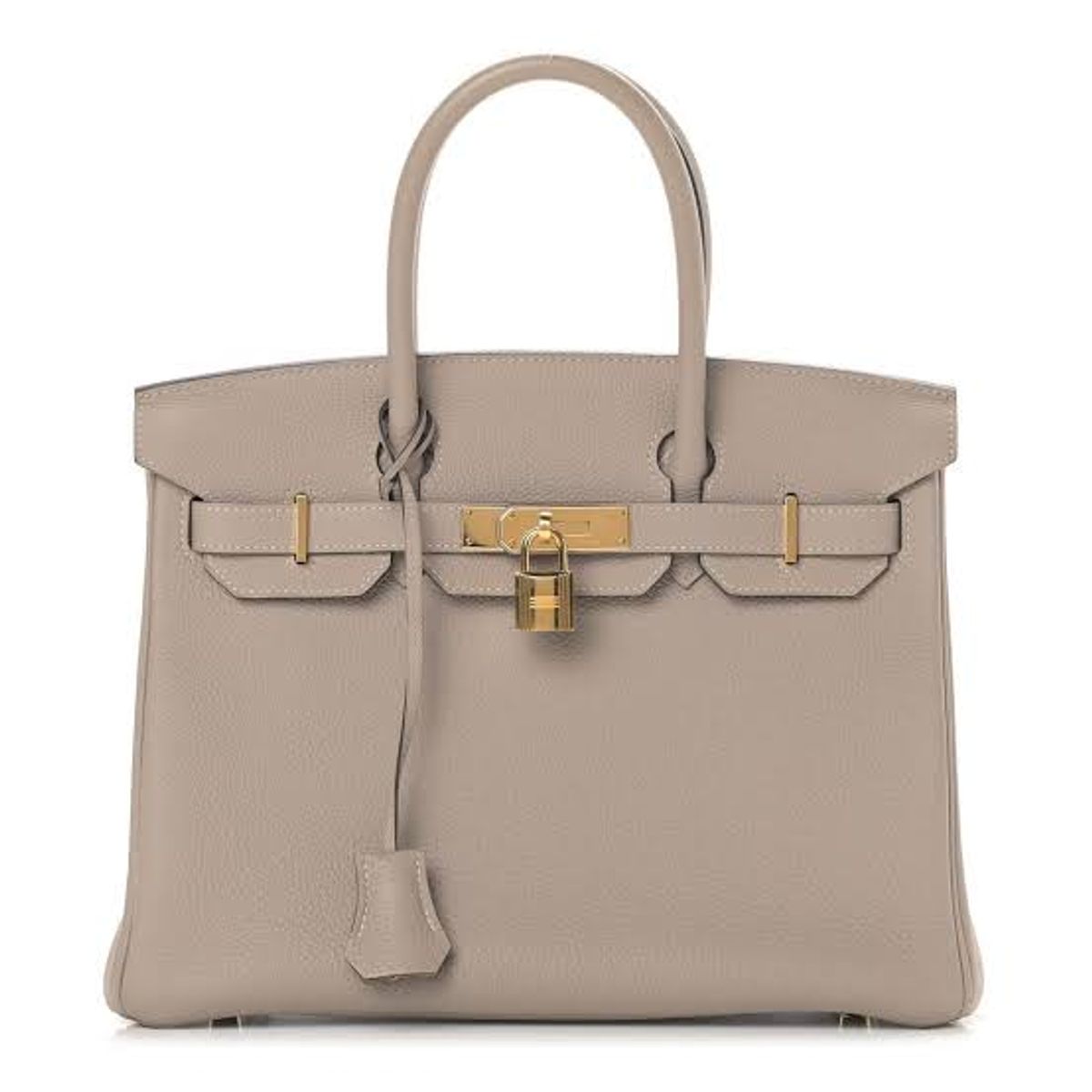
Rebag and Fashionphile are two of the most recognized luxury resale sites, yet they operate quite differently. Pricing models, authentication standards, payout timelines, and the overall buying experience vary enough that the right choice depends on what a seller or shopper needs. Understanding those differences makes it easier to get fair value for a designer bag or buy one without overpaying.
For shoppers who want to go beyond a head-to-head comparison, browsing second hand designer listings on Pickup Point lets real prices from multiple resale platforms sit side by side, making it straightforward to spot the best deal without second-guessing which platform to trust.
Table of Contents
What Is Rebag and What Does It Offer?
What Is Fashionphile and What Does It Offer?
What Should You Look for When Choosing a Luxury Resale Site?
Rebag vs Fashionphile: 9 Key Differences for Luxury Shoppers
Which Luxury Resale Site Is Better for You?
Why PICKUPPOINT Is a Trusted Choice for Authenticated Pre-Owned Luxury
Get your Next Luxury Purchase from PICKUPPOINT
Summary
Authentication guarantees are the single most important factor for luxury resale buyers, with 70% of shoppers citing them as their primary concern when choosing a platform, according to AWISEE's Luxury Resale Market Statistics. The reason goes beyond brand preference. High-quality counterfeits now pass visual inspection, meaning hardware weight, metal composition, and interior construction require physical handling by a trained specialist, not a review photo. A platform that uses the word "verified" without describing its intake process is offering a marketing sentence, not a quality standard.
Provenance is the gap most resale comparisons skip entirely. Open-listing models accept seller uploads from anonymous sources, which means authentication happens after the item has already moved through postal channels, the same route the OECD identified as the primary entry point for counterfeit goods. Tracing an item backward, asking where it came from before it appeared on the listing page, is a more reliable filter than any condition label or seller rating.
Fee structures in luxury resale reward careful arithmetic, not headline percentages. The secondhand luxury goods market is projected to reach $64 billion by 2025, giving platforms strong financial incentive to structure commissions in tiers that look generous upfront but shrink in detail. The number that matters is the net payout after the commission tier, any automatic markdown window, and return shipping charges, not the percentage displayed on the homepage.
Condition grading functions as a price point, not a description. Platforms that let sellers self-report condition shift disagreement to the buyer after delivery, where it becomes a return, a restock fee, or a delayed payout. Specialist grading, scored against a published scale that accounts for corners, handles, hardware, interior, and odor, sets the price before the listing goes live and prevents disputes before they start.
Payout flexibility and membership structures create real differences between platforms depending on how frequently a seller transacts. Rebag's wallet system offers up to a 9% bonus on funds held for up to nine months, while Fashionphile's store credit and Neiman Marcus gift card options each carry a 10% bonus. For repeat buyers and sellers, those bonuses compound into meaningful value. For one-time sellers, the simpler buyout path is likely the cleaner choice.
The secondhand apparel market is projected to reach $350 billion globally by 2028 according to ThredUp's 2024 Resale Report, driven partly by buyers who want purchases to carry environmental meaning alongside aesthetic value. Keeping a designer piece in circulation rather than letting it exit the economy depends on the resale channel being trustworthy enough that buyers return to it repeatedly.
PICKUPPOINT's second hand designer platform addresses the provenance gap directly by sourcing inventory through a closed network of vetted fashion contacts and designers, making the origin of each piece traceable before any listing is written.
What Is Rebag and What Does It Offer?
Rebag is a US-based luxury resale platform that buys, sells, trades, and authenticates designer handbags, watches, and fine jewelry . Its core promise is simple: you know what your item is worth before you ship it, with pricing transparency built into the process— not revealed afterwards .
"With Rebag , sellers receive an upfront quote before committing to ship — making it one of the few luxury resale platforms built around price transparency first ." — Rebag Platform Model
💡 What Rebag Does: Rather than listing your item and hoping for a buyer, Rebag acts as the direct buyer — offering a guaranteed quote so you're never left guessing about your item's value.
What Rebag Handles | Details |
|---|---|
Buying | Purchases your luxury item directly at a quoted price |
Selling | Lists authenticated pieces for resale to shoppers |
Trading | Lets you swap your item toward a new purchase |
Authentication | Verifies every designer handbag, watch, and jewelry piece |
🔑 Takeaway: Rebag removes the uncertainty that defines most resale experiences — its upfront pricing model is what sets it apart in the luxury secondhand market .

What Makes Rebag Different From a Standard Resale Marketplace
The critical difference is Clair. Most resale platforms ask you to list an item, wait for offers, and negotiate with uncertainty. Rebag flips that sequence. Clair reads your item's model, material, and condition against millions of historical data points and returns a pre-approved offer before you pack a single box. That shift from "we'll tell you after we see it" to "here's your number now" removes the anxiety that causes most people to abandon the process.
How does Rebag vs Fashionphile differ in the selling paths it offers?
Rebag was founded in 2014 and has spent over a decade refining the specialist luxury resale experience. Sellers choose between three paths: a buyout for immediate certainty, consignment for a higher payout tied to an actual sale, or a trade that converts the old piece into credit toward the next one. None leave you guessing about the starting price.
Why does choosing a specialist platform matter beyond the transaction?
Every authentic Chanel or Louis Vuitton bag that changes hands through a platform like Rebag avoids new production. Platforms built around second hand designer goods extend item lifespans. These items require substantial resources to produce in the first place. That context matters when deciding where to spend your money or sell your items.
How do Rebag's seller payouts and membership stack up?
The Rebag wallet earns 1% each month on money left after a sale for up to nine months, totaling 9% if you plan to buy something else. Rebag+ membership costs $50 monthly and offers up to 5% off purchases, free shipping, free returns, and higher selling quotes, with a $300 per item limit. If you buy and sell regularly, the membership pays for itself. If you only sell once, the buyout option without membership is simpler.
What does Rebag's category focus mean for buyers in Rebag vs Fashionphile?
Rebag operates across 3 categories: pre-owned designer bags, watches, and jewelry. This focus helps buyers trust that a Rolex or Birkin arrives exactly as listed, is authenticated in-house, and can be returned if a verified third-party authenticator proves otherwise. Physical boutiques in California, Florida, Nevada, and New York, plus shop-in-shop counters in select Bloomingdale's locations, anchor that trust with a tangible address. Understanding what Rebag offers is only half the equation; the other changes half the comparison entirely.
Related Reading
What Is Fashionphile and What Does It Offer?
Fashionphile works on a simple but powerful idea: every item is checked by someone who knows the brand before it gets to you, and you get your money back if it doesn't pass the check after you buy it. The platform focuses on high-end handbags , fine jewelry , and watches from brands like Hermès , Chanel , Louis Vuitton , and Bottega Veneta . Each item comes with a digital Certificate of Authenticity that has a unique ID that cannot be copied .
💡 What Makes It Work: Fashionphile's entire model is built on expert human authentication — not algorithms, not guesswork. Every single listing is reviewed by a brand-trained specialist before it ever reaches a buyer.
"Every item comes with a digital Certificate of Authenticity featuring a unique ID that cannot be copied or duplicated." — Fashionphile Platform Policy
⚠️ Buyer Protection: Fashionphile's money-back guarantee means you're never stuck with an item that fails authentication after purchase — making it one of the safest platforms for luxury resale.
Feature | What It Means for You |
|---|---|
Expert Authentication | Every item reviewed by a brand-trained specialist |
Digital Certificate of Authenticity | Unique, uncopyable ID tied to your item |
Money-Back Guarantee | Full refund if the item fails post-purchase checks |
Brand Focus | Hermès, Chanel, Louis Vuitton, Bottega Veneta & more |
Category Specialization | Handbags, fine jewelry, and watches only |

How does the Fashionphile buyout and consignment process work?
The default path for sellers is a buyout: submit the piece, get a quote, ship it in, and receive payment once Fashionphile authenticates it. Consignment is the alternative for sellers willing to wait. Fashionphile charges 30% of the sale price up to $3,000, then 15% on anything above that threshold. Payment after releases the buyer's return window closes and the item ships. The tradeoff: capture a percentage of the final retail price rather than lock in a fixed buyout upfront.
What payout options does Fashionphile offer sellers?
Payout flexibility distinguishes Fashionphile from competitors. Sellers can choose direct deposit, PayPal, wire transfer, check by mail, or store credit with a 10% bonus. The Neiman Marcus gift card also offers a 10% bonus, reflecting a 2019 partnership that lets sellers drop off pre-priced items at Neiman Marcus service desks and buyers pick up orders there. For existing Neiman Marcus shoppers, this bonus adds tangible value.
How does resale through Fashionphile fit into conscious consumption?
Most shoppers view resale as a simple transaction, comparing payout rates and return windows without considering the broader impact. When a pre-loved Chanel flap or Hermès Kelly changes hands through a platform like second hand designer , the purchase becomes part of something larger: fewer resources consumed, fewer garments manufactured, and craftsmanship extended into another chapter of use. The transactional model measures success in dollars; the conscious model measures it in what did not have to be made new.
Does Fashionphile authenticate items you already own?
Fashionphile Certified is a separate in-person service for pieces you already own, not items bought through the platform. Book an appointment at the New York or San Diego-area flagship, bring up to 10 items, and a master authenticator examines hardware weight, stitching, stamps, and materials while you wait. Turnaround ranges from 45 minutes for one item to ten three hours for seven to seven, and authenticated pieces receive both a physical and digital certificate with a lifetime guarantee. For collectors or resellers managing inventory not purchased from Fashionphile, this fills a genuine gap.
What should you know about Fashionphile returns before you buy?
One detail about the return experience is worth knowing before you buy. Fashionphile lists free US returns but deducts a $14.99 processing fee from every refund. Reserve purchases—the layaway option requiring a minimum 10% down payment with balance due by a set date—carry an additional 10% fee if canceled or returned. These specifics change the math on a purchase you are uncertain about.
What Should You Look for When Choosing a Luxury Resale Site?
Choosing a luxury resale platform requires four critical criteria: physical authentication , documented provenance , transparent fee structures , and clear dispute resolution — each one non-negotiable when protecting your investment.
"The difference between a trustworthy luxury resale platform and a risky one comes down to authentication , transparency , and accountability at every step of the transaction." — Luxury Resale Industry Best Practices
Criteria | Why It Matters | What to Look For |
|---|---|---|
Physical Authentication | Prevents counterfeit purchases | In-house experts or third-party verification |
Documented Provenance | Confirms item history and ownership | Original receipts, certificates, or brand records |
Transparent Fee Structures | Avoids hidden costs | Clear buyer/seller commission breakdowns |
Clear Dispute Resolution | Protects you if something goes wrong | Written policy, timelines, and refund guarantees |
🎯 Key Point: Not all luxury resale platforms are created equal — physical authentication is the single most important factor separating legitimate platforms from risky ones.
💡 Tip: Before committing to any platform, always verify that their fee structure is published upfront and that dispute resolution policies are clearly documented — hidden fees and vague policies are major red flags.
⚠️ Warning: Skipping due diligence on documented provenance can leave you with an item of questionable origin, significantly impacting its resale value and authenticity guarantee .

Authentication That Happens in Person
According to A "verified" policy lacking transparency about intake procedures is marketing, not a genuine quality standard.
Where does the provenance gap actually begin for shoppers?
The failure point usually happens when a piece enters the platform's inventory. Open-listing models accept seller uploads from anonymous sources, meaning the authentication check occurs after the item has traveled through the postal system—the same channel the OECD identified as the primary route for counterfeit goods. A curated intake model, where the platform collects directly from a documented seller and logs that handoff before listing, closes that gap at the source. Most shoppers comparing resale sites focus on the buyer experience, but the smarter move is to trace the item backward and ask where it came from before it appeared on the page.
How does conscious consumption reframe value in Rebag vs Fashionphile comparisons?
Most shoppers sort by price and condition label by default. Platforms built around conscious consumption think differently. Pickup Point approaches pre-owned luxury as a way to extend the life of existing pieces, connecting style-conscious buyers with second hand designer items through a model where purchase carries environmental and human meaning. That framing redefines what "value" means on the platform, attracting sellers and buyers who want the transaction to represent more than a simple exchange.
Fee Structures That Reward Clarity
The secondhand luxury goods market is projected to reach $64 billion by 2025 according to AWISEE's Luxury Resale Market Statistics , giving platforms strong incentives to obscure fees in tiered structures. Rebag and Fashionphile both use tiered commission models with bonuses offered in store credit rather than cash. Calculate your actual net payout after the commission tier, any automatic markdown window, and return shipping charges if the buyer disputes condition. That final number—not the percentage on the homepage—is what you're agreeing to.
Condition Grading and the Dispute It Prevents
Condition is a price point, not a description. A platform that lets sellers self-report "excellent" and upload bright photos transfers disagreement to the buyer after delivery, resulting in returns, restock fees, or missing payouts.
How does specialist grading set the price before a dispute starts?
Expert grading, where a trained evaluator scores corners, handles, hardware, interior, and smell against a published scale, sets the price before listing and removes the argument before it starts. Ask any platform whether missing accessories like dust bags, receipts, or original boxes reduce the quote before listing or after a buyer flags them: the answer reveals whose interests the grading system protects.
What does Rebag vs Fashionphile reveal about inspection versus listing?
Once you understand what separates a platform that inspects from one that merely lists, the next question becomes personal.
Related Reading
Rebag vs Fashionphile: 9 Key Differences for Luxury Shoppers
Rebag and FASHIONPHILE both sell carefully checked pre-owned luxury items , but their services , buying experience , seller options , and customer policies are different in important ways .
"When choosing between luxury resale platforms, the details matter — from authentication standards and seller payouts to return policies and platform experience ." — Luxury Resale Industry Insight
🔑 Takeaway: Both platforms are trusted names in the luxury resale market , but the right choice depends on your priorities as a buyer or seller .
Feature | Rebag | FASHIONPHILE |
|---|---|---|
Pre-owned Luxury Items | ✅ Yes | ✅ Yes |
Authentication Process | ✅ In-house experts | ✅ Certified specialists |
Seller Options | ✅ Multiple | ✅ Multiple |
Customer Policies | ✅ Platform-specific | ✅ Platform-specific |
Buying Experience | ✅ Unique to Rebag | ✅ Unique to FASHIONPHILE |
💡 Tip: Before committing to either platform, compare their seller payout rates , return windows , and authentication guarantees to find your best fit .
⚠️ Warning: Never assume both platforms offer identical terms — even small differences in policy or service can have a significant impact on your overall experience .
1. Catalog and the Piece Each One Will Take
Rebag's live inventory covers handbags, watches, fine jewelry, accessories, and shoes from Louis Vuitton, Chanel, Hermès, Rolex, and Cartier with weekly arrivals. Fashionphile focuses on ultra-luxury handbags , small leather goods, fine jewelry, and watches, with Chanel, Hermès, and Cartier as top sell-in brands. Both hand-inspect items before listing: Rebag inspects every piece individually, while Fashionphile uses a multi-step review by brand specialists. Shoes and mid-tier accessories suit Rebag better, while quota bags and high jewelry pieces work for both platforms, though Fashionphile charges higher authentication fees for Hermès bags, fine jewelry, and watches.
2. Buyout, Consignment, and the Third Path Only Rebag Lists
Rebag gives sellers three written choices: buyout (outright sale at a pre-approved price), consignment (lists the piece and pays from the sale), and trade (applies the quote to a purchase with trade credit worth up to 5% more than the straight offer). Fashionphile leads with full buyouts on nearly every item and offers consignment, but does not publish a trade-in checkout. Once you accept a Fashionphile buyout and shipment begins, the sale is final; they review cancellation requests after shipping on a case-by-case basis.
3. The Fee on a Consignment Sale
Rebag's commission ranges from 8–25% depending on category and listing price, with the exact rate shown in your quote. Fashionphile charges 30% on sales up to $3,000, then 15% on amounts above that threshold. On a $4,000 sale, Fashionphile would take $1,050 ($900 on the first $3,000 plus $150 on the next $1,000). Rebag's fee depends on its specific quote, so you can't compare it item by item or pick a flat winner. Fashionphile may discount unsold pieces after 25 days, while Rebag notifies you before any price cut outside your pre-approved range and allows free returns at that point.
4. When the Money Hits Your Account
Rebag deposits Buyout funds in your wallet 30 business days after a successful inspection. Consignment funds arrive within 15 business days after the status moves from Pending Sale to Sold, with the piece listed within 5–10 business days of inspection. Funds left in the wallet past the expedited cash-out window earn 1% monthly for up to nine months, a maximum 9% bonus, with no enrollment required. Consignment payment releases once the buyer's return window closes, the item has not been returned, payment has cleared, and the piece has shipped. The initial consignment term is 90 days from receipt; the listing then extends until it sells.
5. Cash, Credit, and the Neiman Marcus Bonus
Rebag deposits seller funds into a site wallet. Rebag⁺ members ($50/month, converted to store credit) receive up to 5% more on Buyout and Consignment quotes, capped at $300 per item, though this boost doesn't apply to Trade. Fashionphile offers direct deposit, PayPal (with a fee), wire ($50 per transfer), check by mail (7–14 business days), store credit with a 10% bonus, or a Neiman Marcus gift card with a 10% bonus. At a Neiman Marcus Selling Studio, accepted in-person quotes trigger immediate payment, and the gift card arrives by email in about 15 minutes. Online quotes paid as Neiman Marcus gift cards take up to two weeks after authentication. Fashionphile's 10% credit bonus requires no monthly fee, while Rebag's 5% sell bump requires active membership when the item arrives.
6. Authentication and the Certificate You Keep
Both companies evaluate items in-house before purchase. Rebag employs multilayered evaluation and offers a full refund if a purchase later proves inauthentic by a verified authenticator. Rebag issues its own certificates, independent of the brands. Fashionphile offers a 100% authenticity guarantee with a full refund if it fails, and attaches a digital Certificate of Authenticity via QR code on the hangtag, tied to a unique ID for that piece. Items ruled counterfeit are returned after a $125 fee for a Hermès Birkin or Kelly, or $75 for all other items.
7. Paying to Certify a Bag You Already Own
Fashionphile Certified is a separate in-person service for pieces bought elsewhere. You book a flagship appointment, bring up to 10 items, and a master authenticator inspects stitches, stamps, hardware weight, and material. The fee is $125 for Hermès bags, fine jewelry, and watches, and $75 for everything else. Turnaround ranges from 45 minutes for one item to 3 hours for seven to 10. Authenticated items receive a physical and digital certificate with a lifetime guarantee. The service operates at the New York and San Diego-area flagships.
8. Returns, Shipping, and Buyback
Rebag accepts U.S. returns within 7 days of delivery or for in-store purchases if items have original tags and match the listing condition. Return fees are $25 (up to $999), $50 ($1,000–$2,999), $75 ($3,000–$7,999), and $100 (over $8,000), waived for active Rebag⁺ members. Standard U.S. shipping costs $20 or is free for members, with delivery in 6–9 business days. Fashionphile offers free U.S. shipping and returns but deducts a $14.99 processing fee from refunds. Fashionphile Reserve (layaway) requires 10% down and charges a 10% cancellation fee if you cancel, miss the due date, or return the order. Refresh lets you sell select Fashionphile purchases back for up to 75% of the original purchase price within one year.
9. Stores and the Department-Store Counter
Rebag sells and buys online and in boutiques in California, Florida, Nevada, and New York, plus Rebag spaces inside select Bloomingdale's stores, including Short Hills, White Plains, Boca Raton, Sherman Oaks, San Diego, Orlando, and Soho. The same three selling methods work at those counters. Fashionphile flagship stores are located in Carlsbad, New York, at 601 West 26th Street, and Los Angeles at Row DTLA, with salons and stores in Atlanta, San Francisco, Scottsdale, and Irvine. Its Neiman Marcus partnership, which started in 2019, adds Selling Studios, offering in-person quotes and service desks for order drop-off and pickup. Certified authentication remains a Fashionphile flagship appointment.
Which Luxury Resale Site Is Better for You?
Rebag and FASHIONPHILE both offer authenticated pre-owned luxury. The better choice depends on what you value most: price, authentication, returns, selling flexibility, trade-in options, or access to specific designer pieces.
"The best luxury resale platform isn't universal — it's the one that aligns with your priorities, whether that's maximum payout, buyer protection, or designer selection." — Luxury Resale Industry Insight
Factor | Rebag | FASHIONPHILE |
|---|---|---|
Authentication | ✅ In-house experts | ✅ In-house experts |
Price Focus | Competitive resale pricing | Competitive resale pricing |
Selling Flexibility | Trade-in & direct sale | Direct sale & consignment |
Trade-In Options | ✅ Rebag Credit Program | ❌ Limited trade-in |
Designer Access | Broad luxury selection | Strong Hermès & top-tier focus |
Returns | Platform-specific policy | Platform-specific policy |
🎯 Key Point: If trade-in credit and broad designer access are your priority, Rebag may be your best fit — but if you're hunting specific high-demand pieces like Hermès or Chanel , FASHIONPHILE deserves serious consideration.
💡 Tip: Before committing to either platform, compare current listings for the exact designer pieces you want — pricing and inventory can vary significantly between the two.
Choose Rebag When the Quote Has to Exist Before You Pack
Rebag's Clair tool provides a pre-approved offer on most styles based on model, material, and condition. Quotes arrive within two business days for consignment or three to four days for trade when review is needed. Buyout funds transfer to the site wallet 30 business days after inspection. Consignment commission ranges from 8% on in-demand, high-value pieces to 15–25% for most items. The piece lists within 5–10 business days of inspection, with funds following within 15 business days after sale. Trade applies the quote to a new purchase in one checkout, with credit worth up to 5% more. Choose Rebag when you need a guaranteed upfront offer and flexibility between cash, delayed consignment earnings, or store credit.
Choose Fashionphile When the Buyout or the Certificate Is the Point
Fashionphile leads with full buyouts on nearly every item and pays after it receives, assesses, and authenticates the piece. Store credit and a Neiman Marcus gift card each add a 10% bonus. At a Selling Studio, an accepted in-person quote triggers immediate payment, with the gift card arriving by email in about 15 minutes. Consignment pays 30% of the sale price up to $3,000, then 15% above that, but only after the buyer's return window closes and the item ships. Listings run 90 days initially, then extend until sold, with discounts applied after 25 days. Fashionphile Certified authenticates bags from elsewhere at the New York and San Diego flagships: $125 for Hermès bags, fine jewelry, and watches; $75 for everything else, with a 45-minute turnaround and physical plus digital certificate. Choose Fashionphile for the buyout bonus or same-day certificate.
Selling a High-Demand Bag for the Larger Share
A patient consignment beats a locked buyout only if the fee and wait still leave more cash. On a $4,000 Fashionphile consignment, the fee is $1,050 ($900 on the first $3,000 and $150 on the next $1,000), before any markdown after day 25. Rebag's quote falls within its published 8–25% range and notifies you before a cut that would exceed the pre-approved range, with free return at that point. Rebag⁺ ($50/month converted to store credit) adds up to 5% on Buyout and Consignment, capped at $300 per item if active when received. Fashionphile's 10% credit bump requires no monthly fee but doesn't apply to direct-deposit payouts. Run both quotes on the same bag and choose the path whose net after fees, markdown risk, and timing is the amount you'll actually withdraw.
Buying, Not Selling
Both sites inspect before purchase. Rebag offers refunds for inauthentic items (verified by an authenticator) upon return and accepts U.S. returns within 7 days, with fees from $25–$100 (waived for Rebag⁺ members). Standard shipping is $20, or free for members. Fashionphile offers a 100% authenticity guarantee with a digital certificate via QR code on the hangtag. Its help center deducts a $14.99 processing fee from refunds, and Reserve layaway retains 10% of down payments if canceled or returned. Pickup Point serves buyers seeking curated inventory over national catalogs. We specialize in second-hand designer bags and fashion with documented conditions, sourced from vetted fashion-industry contacts. Each piece undergoes authentication, condition reporting, and photography before listing, with centralized communication.
Where you live changes the handoff
Rebag buys and sells online and in California, Florida, Nevada, and New York, plus operates counters inside select Bloomingdale's stores. Fashionphile has flagship locations in Carlsbad, New York, and Los Angeles, with additional stores in Atlanta, San Francisco, Scottsdale, and Irvine, and offers drop-off service through Neiman Marcus service desks.
What happens when neither Rebag vs Fashionphile covers your location?
Neither option works if you're consigning from Macau or Hong Kong and don't want a U.S. package. Pickup Point prices in MOP, USD, and HKD and offers local pickup, where a specialist collects the piece, eliminating courier insurance and transit-damage risk. Consignment there means you submit the piece, the platform appraises and lists it, and you receive a percentage of the sale proceeds.
Which platform wins depending on what you need most?
Rebag is the better tool for quick trades, strong quotes, or consignment rates near 8%. Fashionphile is the better tool for the 10% Neiman Marcus or store-credit bonus, or a flagship certificate on a bag you already own. Pickup Point is the better tool for consignment through curated, source-checked inventory with hands-on authentication and local collection.
Why PICKUPPOINT Is a Trusted Choice for Authenticated Pre-Owned Luxury
Choosing where to buy pre-owned luxury comes down to trusting the people who handled the piece before it got to you. At PICKUPPOINT , every item passes a rigorous authentication process—ensuring what you receive is exactly what it claims to be. That commitment to transparency , accountability , and verified quality is what sets a truly trusted marketplace apart from the rest.
🔑 Takeaway: The single most important factor in pre-owned luxury shopping isn't price — it's who you trust to verify authenticity before the item ever reaches your hands.
"In the pre-owned luxury market, trust is the product — authentication, transparency, and accountability are what transform a transaction into a confident investment." — PICKUPPOINT
💡 Tip: When evaluating any pre-owned luxury platform , always look for a clear authentication guarantee , a documented chain of custody , and a verifiable track record of buyer satisfaction — all hallmarks of what PICKUPPOINT delivers.
What to Look For | Why It Matters | PICKUPPOINT Standard |
|---|---|---|
Authentication Process | Ensures genuine items only | ✅ Rigorous multi-point verification |
Transparency | Builds buyer confidence | ✅ Full item history disclosed |
Accountability | Protects your investment | ✅ Trusted team behind every piece |
Buyer Support | resolves issues quickly | ✅ Dedicated customer care |

What makes a known source change everything about resale trust?
The critical difference between a trustworthy resale experience and an anxious one is where something comes from, not how it looks in pictures. Pickup Point's intake begins with a closed network of vetted fashion contacts and designers clearing seasonal stock, so we can trace each piece's origin before listing. On platforms built around open seller accounts, that question remains unanswered.
How does Rebag vs Fashionphile compare to a relationship-built catalog?
Co-founders Kathryn and Rainbow built the shop from closet clean-outs sourced through long-standing client relationships in luxury retail. A piece either arrives with a known history or it does not enter the catalog. The grading system (Great Condition, Excellent, or New) appears in the listing title rather than buried in fine print, so the condition you read is the condition you receive. Most platforms let sellers report condition themselves and resolve disputes after delivery. Pickup Point resolves that question before the listing goes live.
Why does a documented chain replace the cross-referencing gamble?
Many buyers use a familiar approach: they look at listings on different open marketplaces, compare photos, and hope the seller's feedback score indicates honesty. Platforms like second hand designer replace that gamble with a documented chain: a known owner, hands-on inspection, graded condition, and a physical studio in Macau where buyers can examine pieces before committing.
Why does the consignment model reflect the same philosophy?
Selling a used luxury item independently requires handling everything yourself: taking photos, negotiating condition, verifying authenticity, and determining the right price. Pickup Point's consignment service eliminates this burden. You send in the item, the shop inspects it, sets the price, photographs it, and manages buyer inquiries while you receive a percentage of the sale. The price reflects the item's actual condition rather than a discount applied to address buyer skepticism.
How does authenticated resale connect to circular fashion's larger meaning?
That structure connects to something larger than convenience. Circular fashion—keeping garments and accessories in use rather than letting them exit the economy—depends on the resale channel being trustworthy enough for buyers to return. According to ThredUp's 2024 Resale Report, the secondhand apparel market is projected to reach $350 billion globally by 2028, driven partly by buyers who want their purchases to carry environmental meaning alongside aesthetic value. Pickup Point's model , where authentication, curation, and sustainable styling converge in one shop, makes that meaning clear rather than aspirational. You are not buying a Chanel flap with a clean history; you are participating in a system designed to keep it circulating.
Get your Next Luxury Purchase from PICKUPPOINT
If you're comparing platforms like Rebag and Fashionphile , our second hand designer platform offers a different approach: authenticated pre-owned designer pieces , a curated selection , consignment for items you no longer wear, and styling support that connects your choices to something bigger than the transaction itself.
💡 Tip: Not all resale platforms are created equal. Look for authentication , curation , and consignment services in one place before committing to a purchase.
"The real difference between resale platforms isn't inventory — it's the trust, curation, and support built around every transaction." — Pickup Point
✅ Best Practice: When choosing a pre-owned luxury platform , prioritize authentication guarantees and styling support over volume of listings.
Pickup Point treats resale as a system built around fashion, people, and environmental responsibility — not just a marketplace mechanic. Our consignment and wardrobe cleanup services give unworn designer pieces a purposeful way back into circulation. Buyers get authentication and curation without the uncertainty of open listings. Visit Pickup Point and find a pre-owned luxury piece that fits both your style and your values .
Feature | Open Marketplaces | Pickup Point |
|---|---|---|
Authentication | Inconsistent | ✅ Guaranteed |
Curation | Minimal | ✅ Fully Curated |
Consignment Support | Rarely offered | ✅ Included |
Styling Guidance | Not available | ✅ Personalized |
Environmental Focus | Passive | ✅ Core Mission |
🔑 Takeaway: Pickup Point isn't just a resale platform — it's a full-circle luxury fashion ecosystem designed around sustainability , authenticity , and personal style .