


Luxury Bag Authentication: 10 Tips for Buying Safely
Learn luxury bag authentication with 10 tips for buying safely, spotting fake designer items, checking key details, and shopping with confidence.
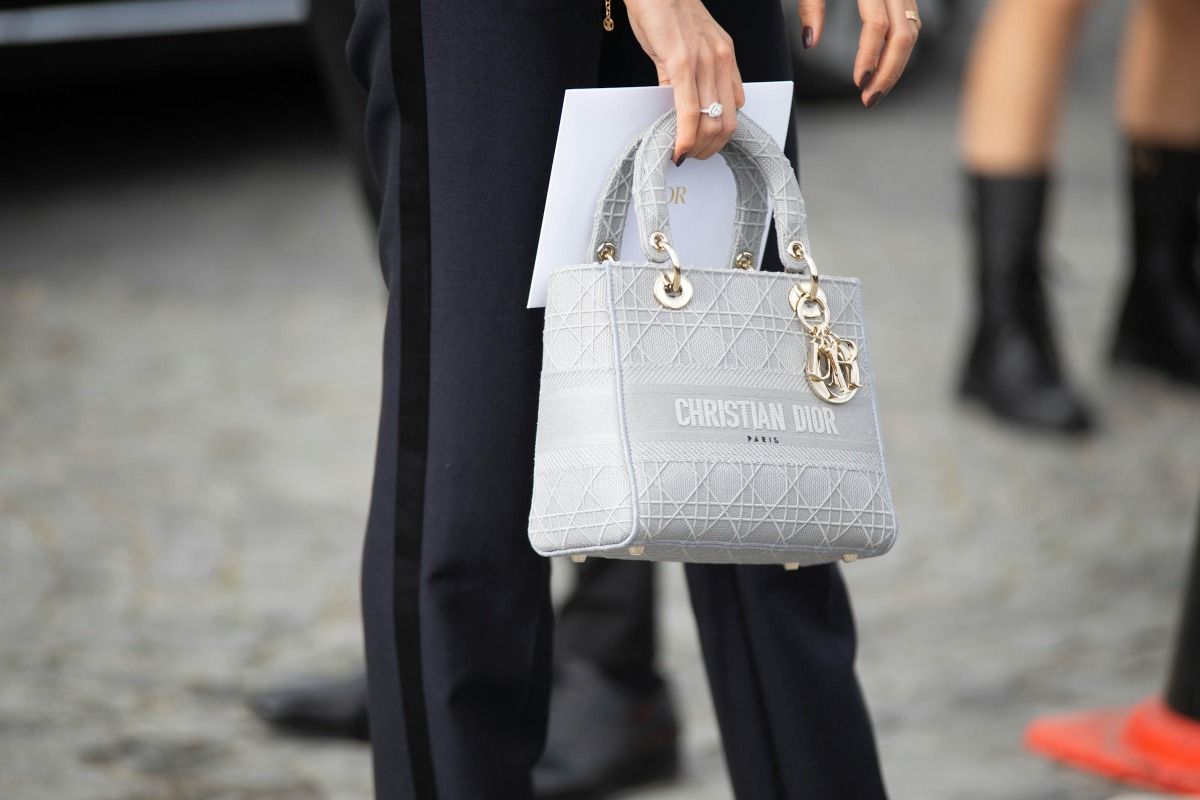
Counterfeit luxury bags have become sophisticated enough to fool even experienced buyers, with losses often running into the hundreds or thousands of dollars. Knowing how to authenticate a luxury bag before purchasing is one of the most valuable skills a resale shopper can develop. From stitching consistency and hardware weight to serial numbers and dust bag details, the signs of a fake are there for those who know where to look.
Still, visual checks alone can leave room for doubt, especially when sellers present convincing replicas. For buyers who want certainty without the guesswork, shopping through a verified platform reduces that risk. Pickup Point makes that process straightforward, with a curated selection of second hand designer pieces that have already passed rigorous authentication checks.
Table of Contents
Why Is Luxury Bag Authentication Important When Buying Pre-Owned?
Can You Authenticate a Luxury Bag by Its Serial Number Alone?
Can an Expensive Luxury Bag Still Be Fake?
Luxury Bag Authentication: 10 Tips for Buying Safely
How to Choose a Trusted Source for Authenticated Luxury Bags
Why PICKUPPOINT Is a Trusted Choice for Authenticated Luxury Bags
Get your Next Luxury Purchase from PICKUPPOINT
Summary
Serial numbers are one of the most trusted signals buyers rely on, but they offer no actual proof of authenticity. Serial number formats are publicly known, making them copyable in 100% of documented fake luxury bag cases. A number that matches an online guide confirms only that the format exists somewhere in the world, not that it belongs to the bag being sold.
Price is not a reliable proxy for authenticity at any level of the resale market. According to LA FORMA's 2025 counterfeit report, super-fakes can sell for $500 to $1,000 and are nearly indistinguishable from authentic bags retailing at $3,000 to $10,000 and above. Entrupy data cited in the same analysis found that 1 in 5 luxury bags submitted for authentication on resale platforms was fake, a ratio that holds across price points, not just budget listings.
The counterfeit problem is larger than most buyers expect, and it is growing alongside the legitimate market. The global luxury resale sector is on track to hit $68.53 billion by 2028, and a separate CNBC report projects the broader resale market could reach up to $360 billion by 2030. That scale of growth attracts sophisticated counterfeit operations, not just amateur sellers with obvious fakes, but supply chains producing bags that pass a casual inspection at every level.
Paperwork and accessories feel like proof but do not function as proof. Counterfeiters routinely copy receipts, dust bags, authenticity cards, and original boxes, and sellers often attach old receipts to bags that would fail any physical check. A receipt confirms that a purchase happened somewhere, at some point. It does not confirm that the bag in front of you is the bag on that receipt.
Physical construction is where genuine craftsmanship either holds up or breaks down, and you can't assess it through a listing photo. Real authentication examines stitch count and tension, hardware weight and engraving depth, leather grain behavior under pressure, font precision on heat stamps, and the bag's overall assembly logic. A counterfeiter can approximate individual details but rarely replicates them all correctly at once, which is why trained authenticators look for a pattern of correctness rather than a single matching feature.
An authentication record tied to photos of a specific item matters well beyond the moment of purchase. Without documented verification covering serial codes, hardware details, and condition notes, the next buyer has no starting point for trust, and resale value drops or stalls entirely. Pre-owned luxury, when authenticated properly, holds its value across multiple owners, making the process a practical asset rather than a precaution.
PICKUPPOINT's second hand designer platform addresses this by building authentication into the intake process itself, inspecting every item before it appears on a product page so the verification record already exists before a buyer ever asks for it.
Why Is Luxury Bag Authentication Important When Buying Pre-Owned?
Paying resale price for a fake bag closes every door that makes a real pre-owned piece worth owning: boutique returns , brand insurance , and the ability to resell it honestly later. Authentication keeps those doors open.
"A counterfeit purchase doesn't just waste money; it eliminates boutique returns , brand insurance , and future resale value in a single transaction."
🚨 Warning: Skipping authentication on a pre-owned luxury bag doesn't just risk your money; it strips away every financial safeguard that makes the pre-owned market worth entering in the first place.
What You Lose Without Authentication | What Authentication Protects |
|---|---|
Boutique return eligibility | Verified authenticity for brand acceptance |
Brand insurance coverage | Documented proof of genuine ownership |
Future resale value | Ability to resell honestly at fair market price |
Buyer confidence | Peace of mind from day one |
🔑 Takeaway: Authentication isn't an optional step; it's the critical safeguard that preserves your investment , your resale potential , and your access to brand-level protections that counterfeit pieces permanently forfeit.

How widespread is the counterfeit handbag problem in private sales?
The fake product problem is larger in private sales than most people realize. US Customs and Border Protection reported that handbags and wallets were the top counterfeit items by quantity in fiscal year 2024, with 5,132,402 items seized.
Had those goods been authentic, their manufacturer's suggested retail price would have totaled $1,086,024,208. This figure covers only goods intercepted at the border, not counterfeits already circulating privately.
This growth attracts sophisticated counterfeit operations producing bags that pass casual inspection. The same supply chains that move legitimate pre-owned pieces also move fakes, making them hard to spot at first glance.
What does luxury bag authentication actually examine that photos cannot show?
Listings are deliberately designed to hide authentication details. Photos crop the heat stamp, the interior lining receives one blurry shot, and hardware never appears at the correct angle. Proper authentication examines stitch count, edge paint finish, hardware weight and engraving depth, font consistency on the stamp, lining material, and assembly logic. None of those details survive a phone screen. All survive a trained eye.
Why does paperwork alone fail as proof of authenticity?
Paperwork creates false confidence. Receipts, dust bags, authenticity cards, and boxes feel like proof but are not. Counterfeiters routinely copy date codes and cards, and sellers attach old receipts to bags that fail physical inspection. A receipt confirms a purchase happened; it does not confirm the bag in front of you is the bag on that receipt. Authentication matches the physical object to brand construction standards and compares it against photos of that specific item.
How does luxury bag authentication protect resale value across multiple owners?
That record matters beyond purchase. Buyers of pre-owned bags pay for the bag and proof of authenticity. Without written authentication tied to photos of the exact piece, the next buyer has no foundation for trust. A clear record covering serial codes, hardware details, and condition notes keeps the resale path open. Proper authentication helps pre-owned luxury hold its value across multiple owners. Platforms like PICKUPPOINT's second hand designer address this by listing pieces that have cleared rigorous verification checks.
According to CNBC's October 2025 report on secondhand luxury, the global resale market is expected to reach $360 billion by 2030, up from $210 billion currently. Authentication is no longer niche; it is the baseline expectation for pre-owned purchases at any price point. Choosing an authenticated piece represents a more conscious, deliberate approach to luxury ownership.
The serial number feels like the most reliable proof, yet it tells you the least.
Related Reading
Can You Authenticate a Luxury Bag by Its Serial Number Alone?
A serial number cannot prove that a luxury bag is real on its own. It identifies a production batch or label, not the specific item you have. Counterfeiters have understood this critical difference for years.
"A serial number identifies a production batch: not the specific item in your hands. It is a label, not a guarantee of authenticity." — Industry Authentication Insight
⚠️ Warning: Never rely on a serial number alone to verify authenticity. It is one of the easiest elements to replicate on any luxury bag , and counterfeiters know it.
Serial number formats are publicly known , which makes them dangerously easy for counterfeiters to copy . This is a structural weakness across the entire luxury bag category , not a flaw in one brand's system. When formats are published in online guides , they become ready-made templates for copying .
Authentication Method | Reliability | Can be fattened? |
|---|---|---|
Serial Number Only | Very Low | ✅ Yes — easily |
Serial Number + Hardware Check | Moderate | ⚠️ Partially |
Serial Number + Expert Review | High | 🔴 Much harder |
Full Professional Authentication | Very high | 🔴 Extremely difficult |
💡 Tip: Always combine serial number verification with a full physical inspection including stitching quality , hardware weight , and material texture for a meaningful authentication result.
🔑 Takeaway: The moment a serial number format becomes public knowledge, it becomes a counterfeiter's blueprint . Treat it as one data point , never the final word .
Why a matching number proves nothing
A buyer searches the code, finds it listed in a guide, and feels relief at a confirmed match. That search confirms only that the number exists somewhere in the world, not that it belongs to the bag being sold. Counterfeiters obtain real codes from genuine items, stolen factory labels, and photos of authentic bags posted publicly.
The Chanel case involving voided serial range 17686401 through 17716400 proved this: those numbers were real, they appeared inside bags, and the bags were fake. A number that checks out online isn't a green light; it is a starting point that most buyers mistake for the finish line.
What does luxury bag authentication actually examine?
The same pattern shows up across price points and brands. Buyers treat the serial photo as the main proof that something is real, then feel confused when experienced authenticators ask for close-up images of stitching, hardware engravings, font on heat stamps, and interior lining texture. Those physical details demonstrate genuine craftsmanship. A real authentication review examines how something is built, not a string of digits.
Why does relying on a serial number alone leave buyers exposed?
Most buyers search the code online and cross-reference it with a brand guide because it feels organized and requires no specialist knowledge. This approach gives counterfeiters their easiest opening.
A serial number alone provides zero guarantee of authenticity for luxury bags, yet remains the first thing many buyers check and the last they question. Platforms like second hand designer address this gap by pairing physical inspection with sourcing accountability, covering what a number never could.
What actually holds up under scrutiny
Real authentication means checking hardware weight and finish, stitch count and tension, leather grain consistency, font precision on stamps, and assembly logic.
Counterfeiters can copy individual details but rarely all of them at once. A skilled authenticator looks for the pattern of correctness across every point: one correct detail surrounded by wrong stitching, soft hardware, and inconsistent lining still signals a fake.
Paying more does not close the authentication gap , as most buyers assume.
Can an Expensive Luxury Bag Still Be Fake?
Paying more does not buy proof. A bag priced at $4,000 on a resale listing carries the same risk as one priced at $400 if the seller set that number strategically . According to LA FORMA's 2025 counterfeit report , super-fakes sell for $500 to $1,000 , making them nearly impossible to distinguish from real bags that cost $3,000 to $10,000 and more. The price gap between production cost and asking price is where the fraud happens .
"Super-fakes sell for $500 to $1,000 , making them nearly impossible to tell apart from real bags that cost $3,000 to $10,000 and more." — LA FORMA's 2025 Counterfeit Report
⚠️ Warning: A high asking price is not authentication. Counterfeiters deliberately price super-fakes in the $500–$1,000 range to mimic the perceived legitimacy of premium resale listings. Never use price alone as a trust signal.
🔑 Takeaway: The real danger isn't the obviously cheap fake; it's the strategically priced super-fake that exploits your assumption that spending more means buying real .

What a high price actually signals
The failure point is usually about how buyers think, not what they don't know. When a listing price approaches what fancy retail stores charge, the brain assumes it's real. Counterfeit sellers understand this and price accordingly. A bag that costs $80 to manufacture can carry a $3,500 price tag without changing the item itself. The number is a disguise, not proof of authenticity.
Why do seizure cases reveal the limits of price as a signal?
On August 7, 2026, CBP officers at George Bush Intercontinental Airport in Houston seized counterfeit goods valued at $3.7 million. The shipment included fake Louis Vuitton bags, Cartier sunglasses, MLB and Nike apparel, and Jaguar Land Rover computer systems, most from China.
Trade experts confirmed the items were not authentic because they bore counterfeit trademarks. A private luxury listing employs the same tactic on a smaller scale.
What does luxury bag authentication data show about expensive resale listings?
LA FORMA's 2025 analysis shows Entrupy data indicating 1 in 5 luxury bags sent for authentication on resale platforms was counterfeit. This ratio holds across all price points, not just cheaper listings. Expensive resale purchases where buyers assumed high prices guaranteed authenticity frequently failed professional scrutiny.
How does platform structure change what buyers can actually trust?
Most buyers trust the platform they shop on, assuming a well-designed storefront or high seller rating filters out fakes. Platforms built around second hand designer authentication treat verification as a structural commitment, not a listing feature. Our approach ensures every item passes physical inspection before reaching a buyer, regardless of price.
Why physical inspection cannot be skipped
Real Saffiano leather resists scratching consistently due to its cross-hatch pressing process. Fake coated synthetics copy the visual texture but compress differently under pressure and wear unevenly within months.
Stitching tension on authentic Celine or Bottega pieces follows torque standards applied by trained artisans, while copies approximate stitch count but rarely sustain uniform tension across stress points like handle attachments and zipper edges. These details cannot be read in a listing description.
What does luxury bag authentication actually look for beyond the surface?
High-value fake bags focus on appearance: a clean monogram, recognizable shape, and realistic hardware color. Real authentication examines the leather, lining seams, weight distribution, engraving depth, and closure mechanism. A high price suggests someone already performed that work. Usually, no one did.
Where do the most expensive mistakes in luxury bag authentication happen?
That gap between what a price suggests and what a bag actually is: that is where the most expensive mistakes happen.
Related Reading
- Best Place To Buy Used Louis Vuitton Bags
- Where to Buy Used Luxury Bags
- What Is the Best Way to Buy a Second-hand Watch?
- Is Vestiaire Collective Legit
- Rebag Vs The RealReal
- Where To Shop In Macau For Second-Hand Luxury Items
Luxury Bag Authentication: 10 Tips for Buying Safely
Buying a used luxury bag is exciting until you question its authenticity. A careful inspection helps verify it's genuine before you commit. Below are ten essential checks.

1. Start With the Brand or an Authorized Seller
Buy from the brand boutique or an authorized retailer while the bag is in current production. This avoids the private-seller gap, where listings often don't match what arrives. US Customs and Border Protection recommends purchasing from the trademark holder or authorized retailers and avoiding sites that hide refund policies or contact information.
2. Read the Seller Before You Read the Listing
Look up the seller's name, a working phone number, and a verifiable street address. A profile with no history, a new account, and pressure to pay the same day are warning signs. CBP's e-commerce guidance recommends reviewing seller information and product photos, and avoiding sources that lack a contact method. Save the listing, chat, and seller profile before paying.
3. Ask for Photos That a Stock Image Cannot Fake
Ask for clear photos of the heat stamp, hardware engraving, stitch line, interior label, and base, plus a handwritten note showing your name and the date. If someone refuses, crops out the logo, or uses the same studio photos for multiple listings, you won't have proof the item is authentic. CBP recommends researching product photos before purchasing.
4. Treat the Serial Number as One Clue, Not the Verdict
A date code, serial sticker, or authenticity card records a production detail. Counterfeiters copy these details, and cards often travel separately from the bag. If both exist, match the number to the sticker, then evaluate leather, hardware, stitching, and construction. A match does not guarantee authenticity, but a mismatch disqualifies the bag.
5. Hold Payment Until a Physical Check Is Done
Use a checkout that lets you dispute the charge, and keep the bag in a verification step before it ships. Wire transfers, gift cards, or peer-to-peer apps eliminate dispute protections. CBP recommends using https:// sites and inspecting items when they arrive. If the seller won't allow you to inspect the item before finalizing the sale, walk away.
6. Compare the Price With the Real Resale Range
Look up what the same model, size, leather, and condition has sold for in recent weeks. A price far below that range signals a counterfeit listing: scammers use steep discounts to close sales before you can verify the item. US Customs and Border Protection warns that deals that look too good are often fake.
7. Confirm the Bag Is a Model the Brand Made
Match the shape, hardware, closure, and size to a style the brand produced. A logo on a bag shape the brand never released is counterfeit, even with polished photos. CBP notes that fake bags show poor or uneven stitching, wrong sizing, or products the designer doesn't make. Ask for the style name and verify it against the brand's official product pages before purchasing.
8. Inspect the Bag Before You Accept It
Open the package on camera and check the stamp, stitch count, edge paint, hardware weight, and lining against the listing photos. Note any missing seals, odd packaging, typos on the box, broken clasps, or damaged items. Accept the order only after this inspection.
9. Keep the Paper Trail With the Bag
Save the listing, chat, payment receipt, tracking page, and authentication result in one folder with photos of that specific bag. If the bag fails review, this folder supports payment disputes and reports. CBP directs shoppers who receive a fake to report it through the Trade Violations Reporting platform or the National Intellectual Property Rights Coordination Center .
10. Skip the Import If You Cannot Prove the Bag
Importing a fake bag is against the law, and CBP fines consumers even without intent . Ask sellers where the bag ships from and refuse to buy from those unwilling to disclose their shipping location or method. If the bag fails authentication, report it and stop the purchase rather than sending it on, reselling it, or bringing it through customs.
How to Choose a Trusted Source for Authenticated Luxury Bags
Buying used luxury bags safely depends on how well the seller verifies authenticity , how honest they are, their return policy , and how they care for the bags .
"The difference between a trusted reseller and a risky one comes down to four pillars: authentication rigor , seller transparency , return policy clarity , and bag condition standards ." — Luxury Resale Industry Best Practices
🎯 Key Point: Not all resellers are equal; always evaluate a seller across all four criteria before committing to a purchase.
⚠️ Warning: Skipping due diligence on return policies and authentication processes is the most common mistake buyers make when purchasing pre-owned luxury bags .
What to Evaluate | Why It Matters | Green Flag |
|---|---|---|
Authentication Process | Confirms the bag is genuinely real | Third-party or in-house expert verification |
Seller Honesty | Protects you from hidden flaws or misrepresentation | Detailed condition reports and photos |
Return Policy | Gives you a safety net if something is wrong | Clear, no-hassle return window |
Bag Care Standards | Ensures the bag arrives in expected condition | Proper storage and handling practices |
✅ Best Practice: Prioritize sellers who offer independent authentication , transparent condition grading, and a minimum 7-day return window for the safest buying experience.

Ask Who Authenticates the Bag, and When
A trusted source explains the authentication step in simple terms. The bag is checked in person, the result is documented and compared to photos of that exact item, and the bag ships only after confirmation. Ask where the check happens, what makes a bag fail, and whether you receive the written result. If the seller cannot answer these questions, choose another source.
Demand a Result Tied to This Bag
A card, serial sticker, or stock photo doesn't prove something is real. Ask for a written result that names the brand, model, and condition, along with close photos of the stamp, hardware, stitch line, and inside from the same inspection. Match those photos to the listing. A trusted source attaches the result to that item; a loose authenticity card could belong to any bag.
Read the Policy Before the Price
Open the refund, return, and dispute rules before you pay. Check how long you have to raise a problem, who pays return shipping, and what "authenticated" covers. Look for a working phone number, a street address, and a refund policy on the site. A checkout page with no contact information and no return window is a private sale with extra steps, not a legitimate purchase.
Keep the Payment on a Track You Can Reverse
Pay using a method that lets you challenge the charge if there's a problem. Wire transfers, gift cards, or transfers to personal accounts end the dispute the moment you send them. Use a payment method that remains open until you receive the bag and compare it with the inspection record. Pressure to move payment off-site is a reason to stop.
Check What the Inspection Actually Covers
Ask which parts of the bag the review covers: leather, stitch count, edge paint, hardware engraving, lining, stamp, and whether it matches the style the brand produced. A serial number match alone is not a review. A trusted source describes failed results plainly and does not ship a failed bag as genuine. If the description is one line and a logo, you have a label, not a process.
Why PICKUPPOINT Is a Trusted Choice for Authenticated Luxury Bags
Buying authenticated pre-owned luxury is a values decision . The resale market has grown large enough that the stakes of getting it wrong buying a counterfeit , supporting an unverifiable seller, or funding an unclear supply chain extend beyond one bad purchase .
"The stakes of getting it wrong extend well beyond one bad purchase; counterfeits , unverifiable sellers , and opaque supply chains represent a systemic risk to every buyer in the resale market." — PICKUPPOINT
🎯 Key Point: Choosing where you buy matters as much as choosing what you buy. Authentication integrity and supply chain transparency are non-negotiable in today's luxury resale landscape.

More demand means more incentive to fake , more pressure on sellers to move inventory quickly , and more listings where authentication gets treated as optional . Most buyers rely on platform reputation , seller reviews , or accessories like dust bags and authenticity cards . That approach works until it fails — and when it does, the buyer absorbs the entire cost .
Buyer Reliance Method | Risk Level | Reliability |
|---|---|---|
Platform Reputation | Medium | Inconsistent |
Seller Reviews | High | Easily manipulated |
Dust Bags & Authenticity Cards | Very high | Easily replicated |
Independent Authentication | Low | Most reliable |
⚠️ Warning: Accessories like dust bags and authenticity cards are among the easiest items to counterfeit; never treat them as a substitute for rigorous, independent authentication .
✅ Best Practice: Always prioritize platforms that treat authentication as a standard , not an afterthought. Your investment deserves verified protection at every step.
How does luxury bag authentication work at the intake stage?
The key difference between a trustworthy source and a convincing one is whether authentication is built into the intake process or left to the buyer after payment.
Pickup Point structures its sourcing around a limited set of clients who purchased luxury for personal use, inspects every item before listing, and will not list anything where authenticity is in question. Shoppers can book a studio visit in Macau to handle the bag themselves rather than relying on seller photographs.
Most people shopping for pre-owned luxury make a thoughtful choice: extending the life of a well-made object, reducing demand for new production, and owning something beautiful without boutique prices. That choice deserves a source that matches the intention.
Second hand designer platforms like Pickup Point position pre-loved luxury as a conscious upgrade, where the bag has a known history, a verified condition grade from "Great" to "Excellent," and a physical address you can visit.
What transaction transparency and logistics can buyers expect?
Pickup Point accepts credit cards, QR code instant payments, and bank wire payments: every transaction has a record and a dispute resolution process.
Prices are shown in MOP with HKD and USD estimates displayed alongside, so international buyers know exactly what they're paying. We ship non-local orders within seven days of payment using recycled packaging, and the online store operates 24/7.
What separates a trusted source from a high-priced risk is the process behind it: the intake path, inspection standard, contact details, and willingness to let you stand in a room with the bag before you decide.
Related Reading
Get your Next Luxury Purchase from PICKUPPOINT
Knowing what to look for in stitching, hardware, and heat stamps is useful, but applying that knowledge across dozens of unverified listings is exhausting . Pickup Point authenticates the bag before it reaches you , with condition details provided upfront so you can decide with confidence at checkout.
💡 Tip: Skip the guesswork entirely. When we handle authentication , you shop smarter, faster, and with less risk.
"Applying authentication knowledge across dozens of unverified listings is tiring. Pickup Point handles it before the bag ever reaches you." — Pickup Point

Choosing pre-owned is not a compromise. It puts a well-made piece back into use, reduces demand for new production , and lets you own something genuinely beautiful for less . When authentication is already done and condition is documented , that choice becomes even easier .
🎯 Key Point: Pre-owned luxury is a smarter, more sustainable choice, especially when the hard work of verification is already done for you.
✅ Best Practice: Always look for platforms that provide upfront condition documentation and verified authentication before you commit to a purchase.
What Pickup Point Provides | Why It Matters |
|---|---|
Pre-purchase authentication | Zero guesswork on legitimacy |
Upfront condition details | Confident decisions at checkout |
Pre-owned luxury access | Genuine pieces at reduced cost |
Reduced new production demand | A more sustainable choice |