


How to Spot Fake Designer Bags: 10 Tips for Buyers
How to spot fake designer bags before you buy. Pick Up Point shares 10 expert tips to protect your money on luxury resale sites.
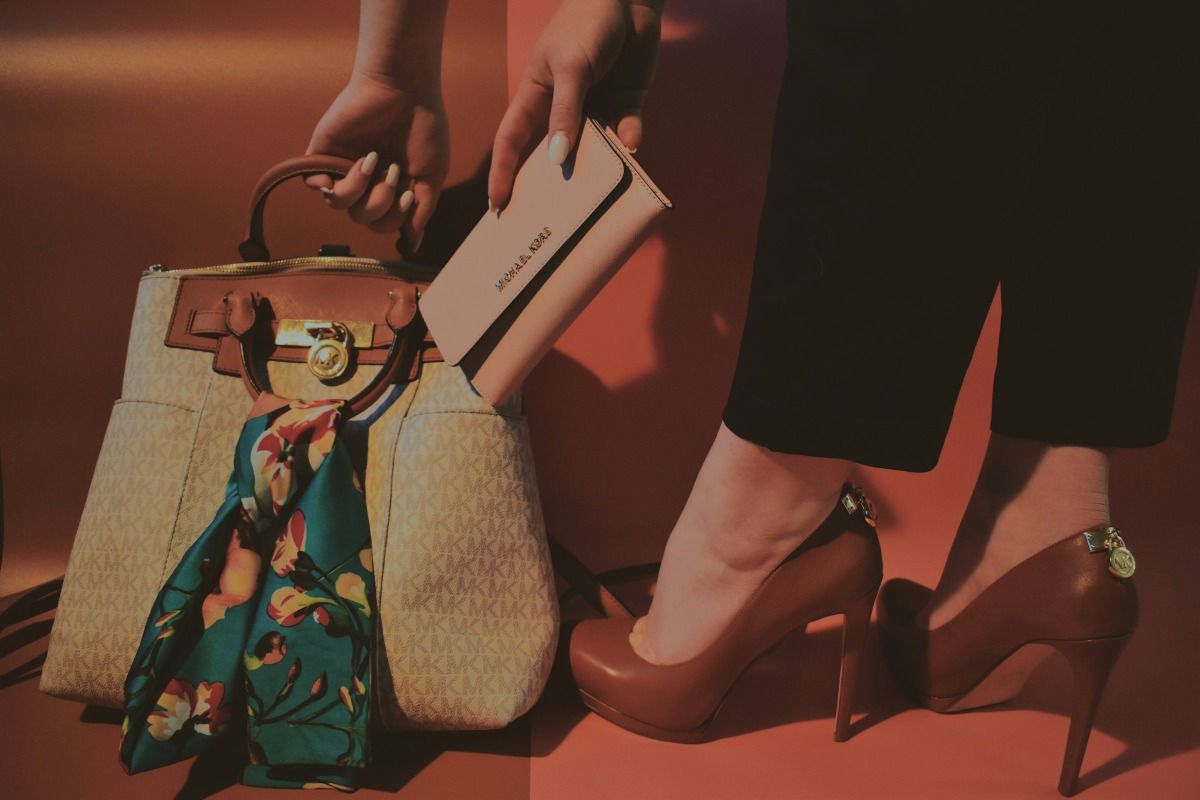
A designer bag from one of the best luxury resale sites can turn into a costly mistake the moment uneven stitching, an off-center logo, or hollow hardware reveals itself. Spotting a counterfeit before purchase takes more than a glance at the price tag. Knowing what to look for, from serial numbers to brand markings, is what separates a confident buyer from an expensive regret.
For shoppers who want to skip the guesswork entirely, every bag listed on Pick Up Point goes through a careful authentication process before it appears on the platform. People who know exactly what to look for verify quality control, hardware weight, and stitching consistency. Those ready to buy with confidence can explore a curated range of second hand designer pieces that have already passed the test.
Table of Contents
What Makes Authenticity So Important When Buying Designer Bags?
Can a Serial Number or Date Code Prove a Designer Bag Is Real?
Can You Spot a Fake Designer Bag From Photos Alone?
10 Tips for Buyers on How to Spot Fake Designer Bags
How to Avoid Counterfeit Designer Bags When Shopping Online
Why Choose PICKUPPOINT for Authenticated Pre-Owned Designer Bags
Get your Next Luxury Purchase from PICKUPPOINT
Summary
Counterfeit designer bags have become significantly harder to detect through casual inspection. The Wall Street Journal's July 2025 investigation found superfake copies priced between $500 and $5,000 that defeated visual inspection even by trained brand staff working in person. The gap between how a bag looks in photos and how it feels in hand has never been wider.
Serial numbers and date codes feel like proof of authenticity, but they are among the easiest elements for counterfeit producers to replicate. As LuxeDetect notes, serial number formats are public knowledge, making them copyable in nearly 100% of cases. A code can confirm production era consistency, but it cannot verify leather quality, hardware weight, stitch tension, or any of the other physical details that distinguish a genuine piece from a skilled copy.
Photos work as a first filter, not a final verdict. Counterfeiters study the same official product photography buyers use, matching stamp placement, hardware angles, and lighting to pass a visual checklist. The EUIPO's 2023 Intellectual Property Perception Study found that 39% of European consumers questioned whether something they bought online was genuine, reflecting how consistently the photo-based buying process falls short.
Authenticity carries real financial weight in the pre-owned luxury market. Genuine bags from houses like Chanel, Louis Vuitton, and Hermès often hold or appreciate in value over time, while counterfeits lose value immediately on arrival. Choosing a verified source is not a preference; it is a decision about protecting a tangible financial asset.
The health and ethical dimensions of counterfeit goods are frequently overlooked. Counterfeit workshops use unregulated dyes, adhesives, and metal alloys that can carry lead, nickel, and phthalates at concentrations far above safe thresholds for items worn against skin. A 2026 study by the OECD and EUIPO also found that countries with higher rates of forced and hazardous child labor show higher counterfeit production and export intensity.
In fiscal year 2025, U.S. Customs and Border Protection seized counterfeit handbags and wallets with a manufacturer’s suggested retail price of $978,154,783 if those items had been genuine, making handbags and wallets the third-highest category by value among all intellectual property seizures that year. That figure is only what officers caught at the border.
The Organization for Economic Co-operation and Development and the European Union Intellectual Property Office put global trade in counterfeit and pirated goods at about $467 billion in 2021, or 2.3 percent of world trade, and they list leather goods and handbags among the product groups counterfeiters target hardest.
PICKUPPOINT's second hand designer platform addresses the verification gap directly by running physical authentication checks on every piece before it is listed, shifting the inspection burden away from the buyer and onto people with the tools and experience to do it properly.
What Makes Authenticity So Important When Buying Designer Bags?
Buying a fake designer bagcosts far more than the price tag suggests — it exposes you to unregulated chemicals, funds criminal supply chains, and broadcasts the opposite of what you intended. Authenticity is the foundation of every good decision in the pre-owned luxury market.
"A counterfeit purchase doesn't just waste money — it actively supports unregulated manufacturing, organized crime networks, and unsafe material standards that put buyers at risk." — Pre-Owned Luxury Market Insight
Risk Factor | Authentic Bag | Counterfeit Bag |
|---|---|---|
Financial Value | Retains or appreciates in value | Worthless on resale |
Chemical Safety | Regulated, quality-tested materials | Unregulated, potentially toxic |
Supply Chain | Ethical, traceable sourcing | Funds criminal networks |
Intended Signal | Communicates taste & quality | Undermines credibility |
🚨 Warning: Counterfeit bags are not a harmless shortcut — the chemicals used in fake luxury goods have been linked to serious health concerns due to completely unregulated manufacturing processes.
🔑 Takeaway:Authenticity isn't just about prestige — it's about protecting your investment, your health, and your integrity every time you buy in the pre-owned market.

How does authenticity protect you as a financial investment?
A fake bag loses value immediately. A real used bag from Chanel, Louis Vuitton, or Hermès often retains or appreciates in value over time. When you know what to look for—stamp depth, hardware weight, stitch count per inch, and date code format—you protect a genuine financial asset.
What hidden health risks come with counterfeit designer bags?
Fake product workshops use untested dyes, adhesives, and metal alloys without government oversight, producing leather goods that carry lead, nickel, and phthalates at concentrations far above safe levels for items touching skin daily. The U.S. Customs and Border Protection agency specifically cites health and safety as a primary reason for stopping counterfeit goods at the border.
How to spot fake designer bags when superfakes look so convincing?
Current superfakes include serial-style codes, branded dust bags, and hardware that photographs convincingly. The gap between "looks right on screen" and "is right in hand" has widened considerably. Platforms like Pick Up Point's second hand designer marketplace close that gap by running physical authentication checks before listing, so inspection happens before purchase.
What do the statistics reveal about the global counterfeit trade?
A 2026 study by the OECD and EUIPO found that countries with higher rates of forced and hazardous child labor show higher intensity of counterfeit production and export.
In fiscal year 2025, U.S. Customs and Border Protection seized counterfeit handbags and wallets with a manufacturer's suggested retail price of $978,154,783, making them the third-highest category by value among all intellectual property seizures that year.
The Organization for Economic Co-operation and Development and the European Union Intellectual Property Office estimate global trade in counterfeit and pirated goods at $467 billion in 2021, or 2.3 percent of world trade. Buying from a verified source supports a circular economy that respects the craftspeople who built the original bag, the sellers who maintained it, and the buyers who carry it forward. The pre-loved market should be a chain of trust, not a gamble.
Why is choosing authenticity a values decision as much as a financial one?
Choosing authenticity is as much a values decision as a financial one. Every purchase either supports that system or refuses it.
Related Reading
Can a Serial Number or Date Code Prove a Designer Bag Is Real?
A serial number just confirms that someone stamped a number into a bag — nothing more. It doesn't prove the leather is real, check that the hardware is genuine, or look at the 47 other physical details that tell the difference between real pieces and skilled copies.
"A serial number just confirms that someone stamped a number into a bag — it doesn't prove the leather is real, the hardware is genuine, or verify the 47 other physical details that separate authentic pieces from skilled fakes."
⚠️ Warning: Counterfeiters have become extremely skilled at replicating serial numbers and date codes — never treat a stamped number as proof of authenticity.
🔑 Takeaway: A genuine authentication goes far beyond a serial number — it examines leather quality, hardware weight, stitching consistency, and dozens of other critical markers that a stamp simply cannot verify.
Authentication Factor | What a Serial Number Proves | What Experts Actually Check |
|---|---|---|
Leather Quality | ❌ Nothing | ✅ Texture, smell, grain pattern |
Hardware Authenticity | ❌ Nothing | ✅ Weight, finish, engravings |
Stitching Consistency | ❌ Nothing | ✅ Stitch count, thread type |
Date Code / Serial Stamp | ⚠️ Only that a number exists | ✅ Format, placement, font accuracy |
Overall Construction | ❌ Nothing | ✅ 47+ physical details reviewed |

Why the code feels like proof but isn't
The emotional pull of a matching serial number is real. When a buyer finds a code in the right location, format, and production era, something clicks—it feels like a receipt. That sense of certainty is exactly what counterfeit producers engineer for: a buyer who feels certain stops looking. Serial number formats are public knowledge, so counterfeiters can copy them in nearly 100% of cases. The code is the easiest part of the bag to replicate, which also makes it the least reliable to trust.
What the code can actually tell you
Use the date code or serial as a consistency filter, not a final decision. A Louis Vuitton piece dated after March 2021 should carry a hidden microchip, not a visible letter-and-number tab. A Chanel bag from 2022 should not arrive with a hologram sticker and paper card, as that system was discontinued. When the code's time period contradicts the bag's claimed production date, the purchase is already over. A serial or date code alone places a bag in one production window but cannot confirm authenticity—the physical bag must still pass every other test.
Why does counterfeit volume make how to spot fake designer bags harder?
U.S. Customs and Border Protection recorded 5,132,402 counterfeit handbags and wallets seized in fiscal year 2024, with a genuine-goods retail value of $1,086,024,208. This volume persists because counterfeit items now include codes that appear authentic in listing photos.
Why is checking the code alone not enough to spot fake designer bags?
Most buyers find the code, cross-reference it against a public chart, and treat a match as confirmation. When the physical bag then fails on stitch tension, hardware engraving depth, or canvas grain, the code provides no protection. Platforms like Pick Up Point address this gap by examining the whole object, which is the only standard that holds.
What to examine after you put the code down
After the consistency check, examine the bag itself: stitch length and regularity, hardware weight and resistance, heat stamp depth, leather or canvas texture, and whether the model silhouette existed in the year the code suggests. A genuine code on a counterfeit bag remains fake. A worn, faded code on a bag that passes every physical check indicates a well-loved original. The code is one piece of evidence in a larger argument.
But a harder question remains, one that trips up even careful buyers.
Can You Spot a Fake Designer Bag From Photos Alone?
Photos cannot prove a bag is real—only that a seller knows how a real bag should look. This critical difference separates a careful purchase from an expensive mistake.
"Photos cannot prove a bag is real—only that a seller knows how a real bag should look. This difference separates a careful purchase from an expensive mistake."
🚨 Warning:Never rely on photos alone to authenticate a designer bag. Even high-resolution images can be staged, filtered, or sourced from legitimate listings to deceive buyers.
💡 Tip: Always request in-person inspection or use a certified authentication service before committing to any luxury purchase.
Verification Method | Reliability |
|---|---|
Photos only | ❌ Low — easily faked |
In-person inspection | ✅ High — hands-on review |
Certified authenticator | ✅ Highest — expert validation |

Why can't a photo tell you how to spot fake designer bags?
The failure point is sensory. A JPEG cannot carry weight, temperature, or the faint chemical smell of cheap adhesive. It cannot show whether a clasp snaps with the dense click of solid brass or the hollow rattle of plated alloy. Buyers report that the emotional peak of any purchase arrives only after the bag is physically in their hands: the first moment the full picture becomes available.
The post-purchase doubt described in the EUIPO's 2023 Intellectual Property Perception Study, where 39 percent of European consumers questioned whether something they bought was genuine, reflects the gap between what a listing shows and what a hand feels.
How do counterfeit sellers control what you see in a listing?
People who make fake products work from the same pictures you use. They study official product photos, match stamp placement, copy hardware angles, and light the bag as a store would. Then they omit unflattering shots: rough edges, inside corners, zipper tape, base feet. A photo sale rewards whoever controls what you see.
Why does photo-based evaluation break down at scale?
Most buyers mentally checklist: zoom in on the logo, examine the stitching, match the hardware finish. As fake items improve and resale windows shrink, a checklist built on carefully chosen images becomes something sellers can share. The Wall Street Journal's July 2025 investigation into superfakes found copies priced between $500 and $5,000 that fooled trained brand staff during in-person visual inspection. A listing photo is a weaker test than examining something in a store.
How to spot fake designer bags when you are not the last line of defense?
Buying authenticated pre-owned luxury from a verified second hand designer platform sidesteps this problem. Our platform ensures physical inspection before listing, so the buyer is not the last line of defense against counterfeits. The authentication burden shifts to people with the tools and access to run checks that photographs cannot.
What a photo is still good for
A photo works only as a first filter. Refuse any listing missing interior shots, base feet, hardware close-ups, and zipper tape. Request unedited daylight images. Compare stamp font and stitch path against a confirmed authentic example of that exact model and production year. Passing this stage means the seller understands how the bag should look, but not that the bag is real. Authentication lives in three dimensions; photos show only two.
Knowing this and still buying from an unverified source compounds risk in ways most buyers never anticipate.
Related Reading
10 Tips for Buyers on How to Spot Fake Designer Bags
Designer bags that look perfect in photos often show critical flaws when you examine them closely. Use these ten essential tips to check the bag, seller, and proof of authenticity before you buy.
"The global counterfeit luxury goods market costs the industry billions of dollars annually — and most buyers cannot spot a fake without knowing exactly what to look for." — Industry Insight
💡 Tip: Always inspect a designer bag in person or request high-resolution close-up photos before committing to any purchase — never rely on a single glamour shot.
⚠️ Warning: A bag that looks flawless in photos is not proof of authenticity. Counterfeiters are skilled at staging deceptive listings that hide poor stitching, incorrect hardware, and low-quality materials.
What to Check | Authentic Bag | Fake Bag |
|---|---|---|
Stitching | Even, tight, consistent | Uneven, loose, fraying |
Hardware | Heavy, engraved, tarnish-resistant | Light, stamped, discolors quickly |
Logo & Font | Precise, centered, correct spacing | Misspelled, off-center, blurry |
Lining & Interior | High-quality fabric, clean finish | Cheap material, glue residue |
Serial Number | Verifiable, correctly formatted | Missing, incorrect, or duplicated |
Seller Proof | Receipt, authenticity card, box | Vague claims, no documentation |
Smell | Leather or quality fabric scent | Chemical or plastic odor |
Weight | Substantial, well-balanced | Unusually light or flimsy |
Price | Reflects true market value | Suspiciously low or "too good to be true" |
Return Policy | Clear, buyer-protected | Absent or heavily restricted |
🔑 Takeaway:Spotting a fake designer bag requires checking every detail — from stitching quality and hardware weight to seller credibility and documented proof of authenticity. Never skip verification, no matter how trustworthy the listing appears.

1. Treat a “Too Good” Price as the First Warning
U.S. Customs and Border Protection warns shoppers: if the deal looks like a steal, the item is the steal. Counterfeit sellers cut retail prices dramatically to force quick purchases, and CBP officers still seize designer-branded handbags in small packages headed to private homes. Compare the asking price to the brand boutique and current market listings for that exact year and condition. A Classic Flap or Neverfull priced hundreds or thousands below every other legitimate sale isn't a secret source—it's a hook. Walk away from sellers who cannot explain the discount without invoking warehouse deals, "factory friends," or urgent shipping deadlines.
2. Demand the Shots a Copyist Hides
A front glamour photo proves the seller owns a camera, not a real bag. Request unedited daylight photos of the inside lining, heat stamp, zipper tape and pull, base and feet, handle attachments, corners, and the full serial or date-code area. Add a short video of the zipper running and the clasp turning. Refuse stock images, mixed backgrounds, or sellers who claim to have "lost" the inside shots. Superfake makers study the same official product pictures you use, so the angles that sell the bag are the angles they practice. The failed seams live in the places they leave out.
3. Read the Stitching as Construction, Not Decoration
On an authentic bag, thread sits evenly with steady tension around curves and matches the leather or canvas color. Look for skipped holes, wavy lines, glue squeeze-out, and exposed knots. Hermès saddle stitch is hand-sewn with two needles at a slight angle; a flat machine line on a Birkin or Kelly signals a counterfeit. Chanel quilting should form clean diamonds that line up across panels. Loose threads at handle bases and pocket edges reveal rushed copies first. Stitching is the structure that keeps the bag standing—sloppy construction cannot be fixed by details.
4. Put the Hardware in Your Hand, Not Just in the Photo
Clasps, feet, zipper pulls, and rings on real bags feel heavy and stay cool; cheap copies use light alloy or plated zinc that feels hollow and warms quickly. Engraving on real pulls is sharp and centered; on fakes it looks shallow, fuzzy, or off-center. Run the zipper all the way: it should move smoothly with no grinding. According to Newsweek's reporting on thrift-store designer finds, flimsy zippers and messy engraving are early warning signs. Chanel Classic Flap back plates (except minis) use flathead screws, not random screw types. Hardware that flakes, chips, or mismatches in tone indicates poor plating, not patina.
5. Compare Every Logo and Stamp to the Brand’s Own Type
Luxury houses create their own fonts. Letters that look "close enough" are wrong. On a Louis Vuitton heat stamp, the O is a circle, the L has a short leg, and the two Ts sit tight; Newsweek's expert notes that vintage rivets are the exception with squarer Os, so you must match the stamp to the era. Chanel interlocking Cs have a set overlap and even stroke width. A stamp that is burned too deep, sits crooked, or is printed instead of pressed fails. Pull the official brand site or a known authentic example of that exact model and year, then compare letter by letter. Almost right is the most expensive kind of wrong.
6. Judge the Leather, Canvas, Lining, and Shape Together
A genuine bag has a specific feel: calfskin or caviar has grain and give, coated canvas feels tight and structured, and the lining matches the house for that model and year. Open the bag. Cheap copies use thin synthetic liners that wrinkle, pill, or smell like glue and solvent. Edge paint on genuine leather sits smooth and even; on a fake it chips or looks smeared. Set the bag down and examine the shape. A Classic Flap that slumps incorrectly, a Neverfull that stands too stiff, or a Birkin that loses its structure at the mouth is failing the pattern, not "breaking in." If the material and shape conflict, the product photo already misrepresented it.
7. Do Not Treat Cards, Boxes, or Dust Bags as Proof
Dust bags, boxes, ribbons, and "authenticity cards" are the cheapest parts of a listing to fake. Chanel used a matching card with the hologram sticker until it moved to a metal plate and microchip around 2021; a 2023 bag with the old black-and-gold card uses a retired system. Louis Vuitton does not issue a consumer authenticity card with its date code, so an "LV card" is a warning by itself. Hermès does not send an orange authenticity card with a Birkin or Kelly. Receipts get copied. Boxes get reprinted. Papers travel with whatever bag the seller wants to move. The bag is the evidence. The packaging is theater.
8. Match the ID System to the Year the Seller Claims
Louis Vuitton stamped date codes through early 2021, then embedded RFID microchips and dropped the visible code on most new bags. A brand-new 2025 LV with a letter-and-number tab is the wrong era. A pre-2021 LV with no code where that model always had one needs scrutiny, unless it's older vintage from before codes. Chanel used unique serial stickers and cards from the mid-1980s until about 2021, then switched to a metal plaque with a chip. A bag cannot wear both systems simultaneously. Hermès uses a blind stamp rather than a public serial. Gucci uses a model and batch code shared across a run. Use the mark only to verify that it matches the claimed year. A perfect-looking code on the wrong bag is still a fake.
9. Watch How the Seller Acts When You Slow the Sale Down
CBP advises buyers to use reputable sources, read reviews, confirm a real contact method, and treat missing return rules as a risk. Apply that to any private listing. A seller who blocks extra photos, refuses a live video of the actual bag, pushes off-platform payment, or rushes you with "other buyers waiting" is protecting the listing, not the bag. Fake reviews and polished storefronts exist to stop your questions. Ask where the bag was bought, request proof that matches the model and year, and stop if the story changes. Pressure is part of the product. Your job is to break the clock.
Do not pay the balance until someone holds the bag
Photos and codes don't close the buy. Hold the bag yourself or use someone who inspects it in person: the weight of the hardware, the temperature of the metal, the smell of the leather, the flex of the canvas, and how the clasp seats.
Why does physical inspection matter when you spot fake designer bags?
Brand boutiques scan their own chips for service; a random phone NFC scan that opens a pretty page is not the house speaking. If the seller won't allow an in-person look or third-party physical check before final payment, you're buying a picture.
What does CBP warn buyers about overseas counterfeit deals?
The U.S. Customs and Border Protection (CBP) warns that counterfeit products in small packages are stopped at the border, meaning an overseas "deal" that never arrives still costs you the money you sent. Buy a bag you can see and touch in person.
How to Avoid Counterfeit Designer Bags When Shopping Online
Shopping for designer bags online gives you more choices, but you can't physically check the items before you buy them. Being careful when you buy helps lower the risk of getting fake bags, wrong items, or items that don't match what was listed.
"The global counterfeit luxury goods market costs brands and consumers billions annually — making buyer vigilance the single most important defense when shopping online." — Consumer Protection Research
Risk When Shopping Online | Why It Happens | How to Protect Yourself |
|---|---|---|
Counterfeit bags | Sellers use stolen brand imagery | Verify seller credentials and reviews |
Wrong items shipped | Bait-and-switch tactics | Document listings with screenshots |
Misrepresented condition | Vague or misleading descriptions | Request detailed photos before purchase |
💡 Tip: Before completing any purchase, always screenshot the full product listing — including photos, description, and seller details — as your proof of what was advertised.
⚠️ Warning:Never skip checking a seller's return policy and authentication guarantee. A seller who refuses returns on designer items is a major red flag you should never ignore.

Start With the Site, Not the Bag
A listing is only as safe as the place that hosts it. U.S. Customs and Border Protection advises shoppers to use reputable sources, skip sites full of typos, and avoid stores with no refund policy or working contact method. Before paying, check for https in the address bar, a real company name, a stated return rule, and a way to reach a person. Social ads that redirect to new domains, payment pages that jump off-site, and shops existing only in chat threads prioritize speed over durability. If you cannot find who runs the site, you have no one to call when the bag fails.
Treat a Deep Discount as a Stop Sign
CBP's consumer guidance is clear: counterfeit sellers cut prices 50 to 70 percent to force fast sales. Luxury houses do not sell current Classic Flaps and Birkins at such markdowns on random storefronts. Compare the price with boutique retail and recent sales of the same model, year, and condition. A gap that large is not a warehouse secret—it is the trap. Avoid "today only" clocks and sellers who cannot explain the discount without invoking a factory story.
Buy From a Platform That Checks the Bag Before It Lists
Private sellers and open marketplaces leave inspection to you. A specialist site that reviews each piece, states condition in plain grades, and stands behind authenticity removes the guesswork. Pick Up Point is a secondhand designer shopping site that sells pre-loved bags and fashion with an authenticity guarantee, lists conditions on every item, ships worldwide, and offers 10 percent off a first order with code PUPFIRST. Choose a platform that documents its checking in writing rather than asking you to trust a caption.
Make the Seller Prove the Exact Bag, Not a Catalog Shot
Ask for unedited daylight photos of the interior, heat stamp, zipper tape, hardware, base, feet, corners, and code/plaque area, plus a video of the zipper and clasp. Refuse stock images and sellers unwilling to show the lining. A real owner answers questions about where they bought it and specific wear patterns; a copyist repeats the same lines and avoids detailed scrutiny.
Pay in a Way You Can Reverse
Use a credit card or another method with buyer protection. Don't send a wire, gift card, crypto, or Cash App to a name that doesn't match the store. Keep payment on a secure https page and stop if checkout jumps to another site. Off-platform "friends and family" payments eliminate your claim. If the seller accepts only irreversible payment, the bag is not the product—the payment is.
Inspect the Parcel the Day It Arrives
Open the box on camera and check stitching, hardware weight, stamp font, lining, and smell against the listing photos. Look for odd packaging, typos, missing seals, and goods that don't match what was sold. A bag that feels light, smells like solvent, or wears a date-code format that doesn't fit the claimed year signals a problem immediately, not after the return window closes. Take photos of everything and file the platform claim while evidence is fresh. An overseas package that never arrives still costs you if you paid with an unprotected method, and CBP can seize counterfeit imports headed to your door.
Keep the Deal on the Record
Save the listing, chat, payment receipt, and tracking number. If the bag is fake, report the seller to the platform and to CBP's e-Allegations system or the National Intellectual Property Rights Coordination Center. Importing counterfeit goods risks seizure. This documentation ensures you recover your money and protects the next buyer from the same listing.
Why Choose PICKUPPOINT for Authenticated Pre-Owned Designer Bags
Buying from an unverified source risks far more than money—it risks your trust in the entire pre-loved market, a cost that is much harder to recover from than a simple refund.
"Buying from an unverified source risks your money and your trust in the entire pre-loved market—a cost harder to recover from than a refund."
🚨 Warning: The real danger of purchasing from unverified sellers isn't just a financial loss—it's the erosion of confidence that makes shoppers hesitant to re-enter the pre-owned luxury space entirely.
✅ Best Practice: Always choose a trusted, authenticated platform like PICKUPPOINT to ensure every pre-owned designer bag you purchase is genuinely verified, protecting both your investment and your peace of mind.
Risk Factor | Unverified Source | PICKUPPOINT |
|---|---|---|
Authentication | None or unreliable | Rigorous expert verification |
Financial Protection | High risk of loss | Secure, guaranteed transactions |
Trust & Confidence | Easily compromised | Consistently maintained |
Recovery from Issues | Difficult and costly | Supported and resolved |
Why is it so hard to spot fake designer bags before you buy?
Most buyers struggle not because they lack knowledge, but because they lack time and certainty. Experienced luxury shoppers check stitching angles, hardware weight, and date code consistency, yet still feel uneasy at checkout. "Super fakes" are on the rise among secondhand bag listings, made to pass the exact checklist a careful buyer runs. The gap between what a photo shows and what a trained hand feels is where these fakes thrive.
How does PICKUPPOINT help you avoid the risks when spotting fake designer bags?
The familiar approach—researching the seller, cross-referencing authentication guides, and hoping community consensus holds—works until it doesn't. Sellers who unknowingly pass on fakes aren't fraudsters; they also trusted a photo, a story, and a fair price. The risk starts with an unverified chain.
Platforms like Pick Up Point break that chain by sourcing from a tight, known circle of personal closet clean-outs and inspecting each piece before listing. Authentication happens before you purchase, not after.
What makes curated sourcing different from open resale?
Open resale marketplaces accept submissions from anyone. Pick Up Point's co-founders, Kathryn and Rainbow, bring years of luxury retail experience to every inspection with a direct standard: if authenticity is in doubt, the item does not sell. A bag from a known personal closet, inspected by someone who has handled genuine Chanel, Hermès, and Louis Vuitton for years, carries more certainty than a listing from an unknown seller with three cropped photos and a confident caption.
Why does knowing how to spot fake designer bags change what you choose to buy?
Buying a counterfeit item funds a supply chain that profits from copying the craft of workshops that spend decades perfecting a stitch, a clasp, a leather treatment. Every authentic pre-owned piece kept in circulation respects that craft and supports the circular economy. Pick Up Point puts it plainly: fashion matters, the environment matters, and people matter. Choosing a verified source is a decision about what kind of market you want to participate in.
How does transparent condition grading protect you from vague seller descriptions?
Most resale listings describe a bag as "good condition" without clarifying what that means. Pick Up Point grades each piece with specific condition labels and notes visible wear directly on the listing, noting light sole rub rather than obscuring it. You're reading a factual record of what the bag has endured, not decoding a seller's optimism.
Get your Next Luxury Purchase from PICKUPPOINT
Knowing about authentication is most useful when you start with something that is already trustworthy. Searching through unverified listings and performing authentication checks yourself is exhausting and leaves room for doubt.
"Sourcing from a verified, curated platform transforms authentication from a survival skill into a confidence check: the difference between anxiety and assurance." — PickUpPoint
🎯 Key Point: Your authentication knowledge is most powerful when used to confirm quality, not to rescue yourself from untrustworthy listings.
⚠️ Warning: Browsing unverified resale listings without expert curation means every purchase carries unnecessary risk, regardless of your skill at spotting fakes.
Pick Up Point brings that effort to a far better destination. As a second hand designer destination built around verified pre-owned luxury, we curate pieces from Gucci, Prada, Dior, Miu Miu, and more — with condition notes that describe exactly what you're getting.
Feature | What It Means for You |
|---|---|
Verified pre-owned pieces | Skip the guesswork — every item is curated for authenticity |
Top luxury brands | Gucci, Prada, Dior, Miu Miu and more in one place |
Detailed condition notes | Know precisely what you're buying before you commit |
Filter by brand or price in MOP | Spend less time sorting, more time choosing |
💡 Tip:Use PickUpPoint's brand and price filters in MOP to narrow your search instantly — so your energy goes toward choosing, not sorting. When sourcing is already done with care, your authentication knowledge becomes a confidence check rather than a survival skill.