


Where to Get Designer Bags for Cheap: 10 Best Resale Sites
Where to get designer bags for cheap? Pick Up Point ranks the 10 best resale sites so you spend less without sacrificing quality.
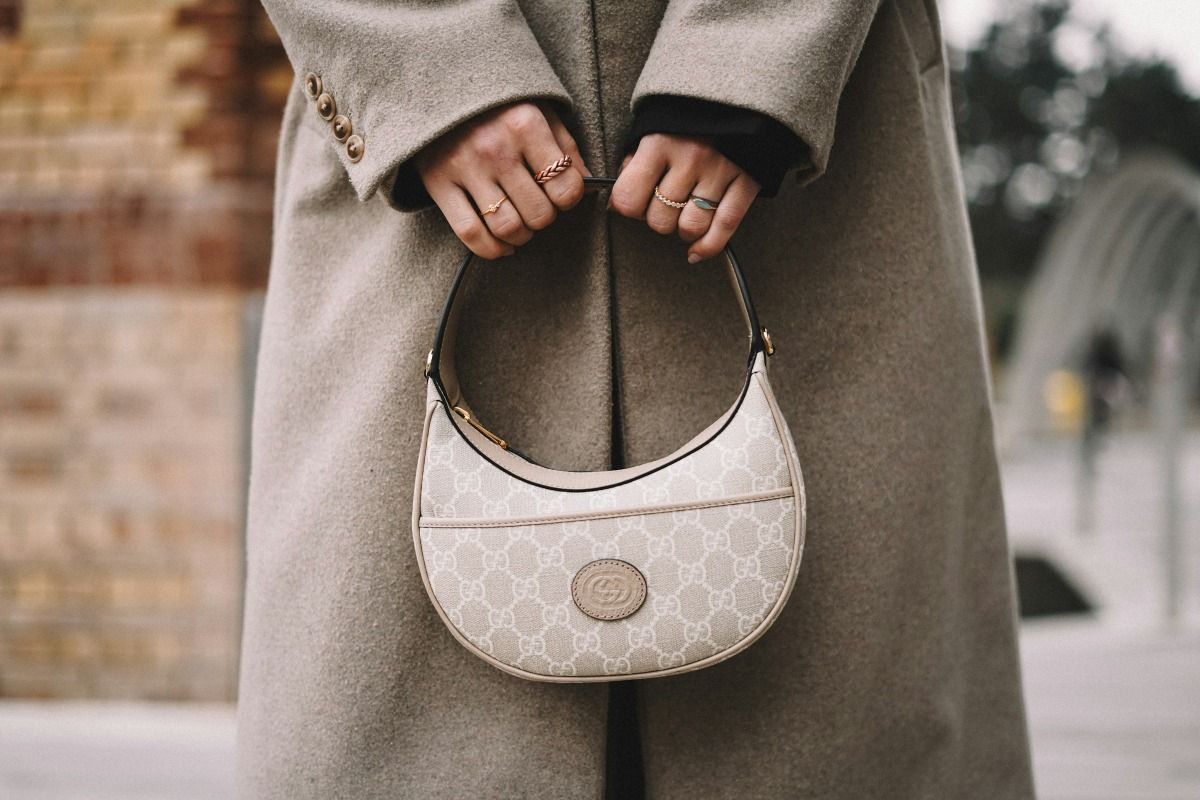
Retail prices for Chanel flap bags or Louis Vuitton totes can be prohibitive, which is why more shoppers are turning to the best luxury resale sites to find authentic pieces at a fraction of the cost. The challenge is knowing which platforms are trustworthy and which are not worth the risk.
Pick Up Point is a curated marketplace that connects buyers with verified, pre-owned luxury bags from trusted sellers, covering everything from Gucci crossbodies to Prada totes, all authenticated and priced well below retail. For anyone building a luxury collection without the full price tag or the worry of counterfeits, browsing second hand designer is a practical place to start.
Table of Contents
What Does “Cheap” Mean When Buying Designer Bags?
Why Are Pre-Owned Designer Bags Often More Affordable?
Are Cheap Pre-Owned Designer Bags From Resale Sites Authentic?
10 Best Resale Sites for Cheap and Affordable Designer Bags
How to Choose the Right Resale Site for Authentic Designer Bags
Why Fashion Lovers Choose PICKUPPOINT for Authenticated Pre-Owned Designer Bags
Get your Next Luxury Purchase from PICKUPPOINT
Summary
The resale price of a pre-owned designer bag is lower primarily because the original buyer already absorbed the retail premium, not because the bag itself is worth less. That premium bundles flagship store rent, global advertising campaigns, and deliberate price increases designed to protect brand exclusivity rather than reflect production costs. Pre-owned bags can be purchased at up to 50% less than retail, and that gap exists because those overhead costs simply do not transfer to the secondary market.
Iconic styles have increased in retail price by 50 to 70 percent since 2019, while the bags themselves have not changed in any meaningful way. Pre-owned prices track real demand rather than brand strategy, which means the gap between new and pre-owned widens every time a house announces another price hike. For shoppers who have done the arithmetic, paying for a brand's mythology is optional. The bag is not.
The global secondhand luxury resale market is expected to reach up to $360 billion by 2030, a figure that reflects a structural shift in how shoppers access quality rather than a passing trend. Some pieces, like the Hermès Birkin, have retained over 100% of their original retail value on the resale market, which dismantles the assumption that pre-owned automatically means discounted and suspect. Resale prices reflect condition, demand, and honest depreciation, not the absence of authenticity.
Authenticity in the pre-owned market is a process question, not a price question. Open platforms that let anyone list items have no structural reason to reject a fake, while platforms that require physical inspection before listing have every reason to verify each piece. The difference between a genuine pre-owned bag and a convincing replica is invisible in a photograph and only becomes clear when someone holds the bag, checks the hardware weight, and cross-references serial codes against production records.
Condition grading matters more than most shoppers expect when buying pre-owned designer bags. Vague language like "like new" can cover everything from pristine to politely damaged, and buyers typically only discover the difference after the bag arrives. Clear, specific condition grades paired with written wear notes and close photography are the only honest way to close the gap between what a listing promises and what actually arrives.
The cost-per-use calculation, rather than the listing price, is the more accurate measure of whether a pre-owned bag is genuinely affordable. A bag purchased at a lower price that sits unused costs more in real terms than a slightly more expensive piece carried regularly. Roughly half of luxury shoppers now check pre-owned prices before considering a new bag, according to Bain & Company research, because this logic has become instinctive for experienced buyers.
PICKUPPOINT addresses the gap between knowing pre-owned is a sound choice and feeling confident enough to follow through, by combining physical authentication, transparent condition grading, and an optional in-person studio appointment in Macau.
What Does “Cheap” Mean When Buying Designer Bags?
When it comes to designer bags, cheap does not mean the lowest price on the page. It means the price that gets you a real bag in good condition that you will use, for less money than the store charges.
💡 Tip: Before you shop, reframe your goal: you're not hunting for the lowest number; you're hunting for the best value per dollar spent.

The number that really matters is cost per use, not the price tag. A bag that costs $400 but sits in a closet costs more than a bag that costs $600 that you carry everywhere. Research from Bain and Company and Altagamma shows that about half of luxury shoppers now check pre-owned prices before buying new, because they understand this difference naturally.
"About half of luxury shoppers now check pre-owned prices before buying new." — Bain & Company / Altagamma
🔑 Takeaway:Cost-per-use is the real metric of a smart designer bag purchase — a higher upfront price can easily be the cheaper choice in the long run.
Scenario | Purchase Price | Uses | Cost-Per-Use |
|---|---|---|---|
Bag that sits unused | $400 | ~10 uses | $40/use |
Bag carried daily | $600 | ~300 uses | $2/use |
⚠️ Warning: Focusing only on the sticker price is the most common mistake luxury shoppers make — and it's exactly what leads to buyer's remorse.
What separates a deal from a disguised loss?
The failure point is usually a price so far below comparable listings that it looks like luck. That distance is rarely a gift. It reflects cracked corners, a bent clasp, a lining that smells like storage, or a stamp that will not survive a trained eye. Cheap requires close photos of every stress point, a written condition grade, and a return window if the bag does not match the description. Without those three things, you are not buying a bag at a discount; you are buying someone else's problem at a discount.
Where to get designer bags for cheap without inheriting someone else's problem?
Most shoppers check department store sales and outlet racks first, since the bag is visible and the markdown feels safe. Pre-owned inventory sits lower still, offering colours and silhouettes stores discontinued two seasons ago. Platforms like second hand designer reduce search friction by connecting buyers with authenticated, graded pre-owned pieces, so condition is clear before purchase, not after arrival.
How does resale value redefine what you actually paid?
Write down three numbers before you buy: the current boutique retail price, the pre-owned asking price, and what the same bag sells for after a year of real use. The first gap shows your savings today. The second gap shows your risk if your plans change and you need to sell it. A bag bought close to its active resale value puts you in a safer position than one bought at full retail, where you absorb the entire first-owner price drop. Condition and completeness—the dust bag, authenticity card, original box—protect resale value more than anything else.
Does where to get designer bags for cheap also mean a lower environmental cost?
The pre-owned market extends product lifecycles by reusing existing items, eliminating the need for new raw materials, manufacturing energy, and production. You acquire the bag, save money, and feel better about your choice without compromise.
Related Reading
Why Are Pre-Owned Designer Bags Often More Affordable?
Pre-owned designer bags cost less because luxury pricing reflects brand infrastructure and narrative, not the bag itself. Once the original buyer pays this premium, it disappears from the resale price.
💡 Tip: When you buy pre-owned, you're paying for the craftsmanship and quality — not the marketing budgets, flagship store leases, or brand storytelling that inflate retail prices.
"Luxury pricing is built on brand narrative and infrastructure — once the first buyer absorbs that premium, the resale market strips it away, leaving only the true value of the piece itself." — Markus Kramer, Luxury Brand Strategist
🔑 Takeaway: The retail markup on a designer bag funds far more than materials — it covers global campaigns, celebrity endorsements, and boutique experiences. The secondary market prices none of that in.
Cost Factor | Retail Price | Pre-Owned Price |
|---|---|---|
Craftsmanship & Materials | ✅ Included | ✅ Included |
Brand Marketing & Campaigns | ✅ Included | ❌ Not included |
Flagship Store Infrastructure | ✅ Included | ❌ Not included |
Brand Narrative Premium | ✅ Included | ❌ Not included |

What gets stripped out of the price
The retail cost of a luxury bag includes far more than stitched leather and polished hardware: the flagship store on a street where rent runs thousands per square foot, the celebrity campaign shot across three countries, and the annual price increase introduced not because costs rose but because exclusivity demands it. Luxury handbag sales fell nearly 10 percent from their 2023 peak, an $8 billion drop, as shoppers shifted toward pre-owned pieces.
Where to get designer bags for cheap without funding the markup machine?
Most shoppers treat retail prices as fixed and unavoidable, funding a system built to keep prices climbing rather than reward the buyer. Platforms like second hand designer offer a different entry point, where the price reflects the object's actual condition and current market demand rather than the brand's next planned increase. Our marketplace helps you access quality pieces at prices that make sense, letting you invest in what you love without the retail markup.
Why the resale market keeps growing
What is happening in secondhand luxury is not a small trend. CNBC reports that the global resale market is expected to hit up to $360 billion by 2030. This growth is driven by shoppers who have decided that paying for a brand's story is optional. The bag is not optional. The extra price is.
Why are retail prices pushing buyers to look for designer bags for cheap?
Iconic styles have increased in retail price by 50 to 70 percent since 2019, despite no meaningful changes to the bags themselves. The leather is identical. The zipper pull is identical. Pre-owned prices track real demand rather than brand strategy, so the gap between new and pre-owned widens with each price increase.
Is buying pre-owned actually a lesser version of luxury?
The result is a purchase that makes sense in multiple ways: you get an existing piece, skip the retail markup, and avoid wait lists and qualifying purchases. That is not a worse version of luxury. That is a more honest one.
But saving money on a counterfeit bag doesn't save you anything.
Are Cheap Pre-Owned Designer Bags From Resale Sites Authentic?
Authenticity in the pre-owned designer market is a process question, not a price question. A genuine Chanel flap or Louis Vuitton Neverfull sells for less on resale because the first owner already paid the retail premium—not because something is missing from the bag itself.
"A lower resale price reflects depreciation from first ownership, not a compromise in authenticity or craftsmanship." — Pre-Owned Luxury Market Insight
Factor | Retail Purchase | Pre-Owned Resale |
|---|---|---|
Price | Full retail premium | Lower — first-owner depreciation absorbed |
Authenticity | Guaranteed by brand | Depends on verification process |
Value Retention | Immediate depreciation | Already depreciated — stable resale value |
💡 Tip: When evaluating a pre-owned designer bag, always focus on the authentication process used by the reseller — not the price tag alone.
⚠️ Warning: A low price does not automatically signal a fake — but it should always prompt you to verify the authentication credentials of the platform or seller.

What price actually signals in the resale market
The critical difference between a real used bag and a fake one is whether a trained person examined it before listing. Open marketplaces skip this step; authenticated resale platforms do not. When a site checks stitching, weighs hardware, and matches serial codes against production records before a sale goes live, the lower price reflects honest depreciation, not deception.
How widespread is the counterfeit problem when you search where to get designer bags for cheap?
U.S. Customs and Border Protection reports that handbags and wallets ranked among the top seized commodities by value. In fiscal year 2025, the manufacturer's suggested retail price of seized handbags and wallets reached $978 million. In fiscal year 2024, handbags and wallets led all product types by quantity, with over 5.1 million items seized.
A cheap bag from an unvetted seller is part of the counterfeit supply stream. A cheap bag from an authenticated resale process is not. Some pre-owned pieces hold or exceed their original price. Those selling below retail do so because condition, season, and prior use have shifted the market price, not because the leather is fake.
Why can't shoppers spot fakes from photos alone?
Most shoppers searching for discount designer bags compare photos to retail listings and trust the seller's description. Counterfeit sellers use the same playbook: clear photos, a reasonable price, and a story suggesting a personal wardrobe cleanout. The gap between genuine pre-owned and a convincing replica is invisible in photos. It only emerges when someone holds the bag, checks zipper weight, and reads the date code against a production calendar. Platforms like second hand designer build physical review into the purchase process, so the lower price reflects real depreciation rather than a missing inspection.
Where the real risk lives
The failure point isn't the price: it's the listing model. A site that lets anyone upload photos and set a price has no structural reason to reject a fake. A site that requires physical authentication before listing has every reason to. Shoppers seeking affordable luxury handbags, discounted designer purses, or budget-friendly pre-owned fashion should treat the authentication process as the primary filter, not the price tag. One tells you what the bag costs. The other tells you whether it exists.
This distinction shapes everything about which platform you trust with your money.
Related Reading
10 Best Resale Sites for Cheap and Affordable Designer Bags
Finding an affordable designer bag takes more than just looking for the lowest price. The best resale sites let shoppers compare prices while checking the condition, authenticity, shipping, returns, and total cost.
"The smartest secondhand shoppers don't just hunt for the lowest price — they evaluate condition, authenticity, and total cost before committing to any purchase." — Resale Market Insight
💡 Tip: Always factor in shipping fees and return policies before finalizing a purchase — the cheapest listing isn't always the best deal.
⚠️ Warning: Never skip authenticity verification when buying designer bags online. A too-good-to-be-true price is often a red flag for counterfeit items.
Factor to Check | Why It Matters |
|---|---|
Condition | Determines real value and longevity |
Authenticity | Protects against counterfeit purchases |
Shipping Cost | Affects your total price significantly |
Return Policy | Ensures buyer protection if needed |
Total Cost | The only number that truly matters |

1. Pickuppoint
Pickuppoint is a secondhand designer marketplace built around authenticated pre-owned bags, clothing, shoes, and accessories, sold as “pre-loved for less.” The site lists condition grades on each item, accepts multiple currencies (USD, HKD, and MOP), and offers authenticity protection plus worldwide shipping. First-time buyers can use code PUPFIRST for 10% off. Listings name the house, model, condition grade, and price, so shoppers can compare a used bag to new retail without treating every lower tag as a fake. That setup answers the real worry behind cheap pre-owned designer bags: not the used price, but whether the bag was checked and described before it went up for sale.
Features
Every listing is authenticated, with condition reporting treated as part of the sale, not an extra.
Condition grades are shown on product cards and item pages (Great Condition, Excellent, New on the English homepage; 品牌, 99新, 95新, 90% New, 85% New, and 80% New on Chinese listings).
Written wear notes on item pages (for example, light sole and heel rub that does not change how the piece wears).
A designer bag mix that includes more accessible used prices (examples live on the homepage: Tod’s red leather top-handle bag at $669.90; Moschino black nylon quilted mini backpack at $572.80; Jacquemus teal Le Chiquito at $1,553.30), plus higher iconic pieces.
Bag types beyond one silhouette: belt bags, mini backpacks, top-handle bags, bucket bags, totes, flap bags, sling bags, and double-side flap bags.
The storefront lists Chanel, Hermès, Louis Vuitton, Gucci, Dior, Celine, Loewe, Prada, Fendi, Bottega Veneta, Saint Laurent, Balenciaga, Valentino, and Jacquemus.
First-purchase code PUPFIRST for 10% off, shown across category pages.
Worldwide shipping was called out on the site.
Currency switcher for USD, HKD, and MOP, with checkout noted as settling in MOP and the rate set by the payment platform.
Account tools: register or sign in, save favorites, then track order status, payment status, delivery status, and payment method.
Full closet around the bag: leather goods, small leather, jewelry, women’s and men’s clothing, shoes, kids, clearance, Just In, Vintage, and Timeless Classics, under the store line “We Recycle Fashion.”
Best For
Shoppers who want a real pre-owned designer bag at a used price, with a named condition grade, authenticity protection, global shipping, and a first-order discount, without buying from an unverified peer listing.
Pros
Authenticity is a store promise, which cheap, unverified listings lack.
Condition is graded and described in plain wear notes on item pages, so the used price matches the bag you receive.
PUPFIRST cuts 10% off your first purchase, lowering the entry cost on an authenticated piece.
Worldwide shipping is listed on the site, so the shop is not limited to one city counter.
USD, HKD, and MOP views help you read the tag in your preferred currency.
Inventory starts at reachable used prices (nylon backpacks and leather day bags) and still includes the houses collectors search.
One checkout can add the bag plus small leather, jewelry, or ready-to-wear from the same authenticated catalog.
Cons
Some item pages state pickup only and no delivery for that SKU, so read the product page before you pay.
Accessibility
Shop at https://pickuppoint.mo/. Register or sign in to save favorites and follow order, payment, and delivery status. Apply PUPFIRST at checkout on a first purchase. Switch the currency view to USD, HKD, or MOP, then confirm the product page for condition notes and whether that item ships worldwide or is pickup only.
2. Fashionphile
Fashionphile is a U.S. reseller of pre-owned ultra-luxury handbags and accessories. Every piece goes through an in-house, brand-specific review of materials, stitching, hardware, stamps, date codes, and serial marks where those marks exist. Sold items carry a digital certificate of authenticity with a unique ID. Eligible returns are accepted within 15 days of delivery if tags stay attached and the bag is in the same condition. The company also states a money-back guarantee if an item it sells is not authentic.
Features
In-house authentication before listing a bag.
Digital certificate of authenticity with a QR/ID after purchase.
Lifetime authenticity guarantee on items the company sells (money back if not authentic).
15-day return window when tags and extras stay with the bag.
Condition photos and descriptions written by the seller, not a random peer listing.
Signature-required shipping on most orders because of item value.
In-store and online buying, plus an in-person “Certified” authentication option at flagship locations.
Pros
Physical review plus a certificate addresses the main fear from unverified marketplaces.
A short written return window gives a path out if the bag doesn't match the listing.
Cons
Prices often sit at the higher end of the used market because the company owns inventory and inspects every piece.
Return shipping can carry a processing fee, and international returns are self-shipped.
Accessibility
Shop on the website. U.S. stores support try-on and returns. International buyers should read the shipping and duty terms at checkout.
3. Rebag
Rebag focuses on pre-owned designer handbags and small leather goods. It buys bags outright, inspects them, grades condition, and lists them with photos and a written grade. The company also runs Clair, its valuation tool, so shoppers can compare a listed price with a published estimate of current resale value. That structure suits buyers who want a used price with a documented grade rather than a peer-to-peer “as-is” post.
Features
In-house authentication before listing.
Published condition grades (from like-new through more worn).
Clair value estimates next to many listings.
Direct inventory model: the site owns the bag, so you are not bidding against an unknown private seller.
Trade-in credit if you sell a bag and buy another.
Detailed photos of corners, hardware, and interior.
Focused catalog: bags and accessories first, not a general thrift mix.
Pros
Condition grade plus a value estimate helps you judge whether a “cheap” tag is a used-market price or an outlier.
Buying from inventory removes the wait for a private seller to ship.
Cons
Selection is limited to what Rebag has purchased, so rare sizes sell out.
Trade-in credit is useful only if you also sell.
Accessibility
Shop on the website. Check current shipping regions and return days on the order page, because those terms change by destination.
4. The RealReal
The RealReal is an authenticated luxury consignment marketplace. Items are consigned, then reviewed by in-house authenticators before they go live. The catalog includes handbags, clothing, jewelry, and watches, helping shoppers complete a look at used prices. The company says it authenticates every item and offers refunds if authenticity fails.
Features
Authentication of every listed item.
Large catalog across bags, ready-to-wear, and jewelry.
A consignment model that keeps pre-owned supply flowing, supporting more affordable used prices on non-iconic styles.
Filters for condition, price, and category.
In-house experts for bags, gems, and watches.
Buyer protection if an item is found to be inauthentic.
Pickup and drop-off options for consignors, which keep inventory turning.
Pros
Volume means more entry-level used bags alongside trophy pieces.
One checkout can cover a bag and a matching accessory.
Cons
Popular icons still price high; “affordable” usually means mid-tier houses or older condition grades.
Return rules vary by item type, so read the policy on the product page.
Accessibility
Shop on the website. U.S. consignment drop-off and luxury consignment stores exist in major cities. Confirm international shipping at checkout.
5. Collective Locker Room
Vestiaire Collective is a global pre-owned fashion marketplace. Listings come from a large seller community. Items above a set price threshold, or listings where the buyer opts in, go through the company’s authentication and quality-control steps before final delivery. That hybrid model can surface lower used prices than a store that owns every bag, as long as the shopper stays inside authenticated checkout.
Features
Large international catalog of pre-owned bags.
Authentication and quality control on qualifying orders.
Price negotiation tools on some listings.
Vintage and current-season mix in one search.
Buyer protection if the item fails authentication or does not match the description.
Community supply that often prices below owned-inventory boutiques.
Filters for brand, condition, and price.
Pros
Breadth helps find a specific model at a used price.
Authentication on qualifying orders answers the “is this cheap bag real?” question that open peer listings leave open.
Cons
Not every low-price listing is routed through physical inspection by default; read the listing badge.
Cross-border orders can add duties and extra transit days.
Accessibility
Shop on the website. Create an account, filter for authenticated items when available, and confirm shipping country before you bid or buy.
6. eBay
eBay is an open marketplace, so not every bag on the site is inspected. The listings that matter for this topic carry the Authenticity Guarantee checkmark. Eligible handbags at $500 and up go to eBay’s authenticators after purchase. The team checks the bag against the listing, inspects hardware and stitching, then ships it to you with an authentication card. Bags priced $200–$499.99 can add the same service at checkout for a fee. If the bag fails, you get your money back. That filter keeps a large used-price catalog usable for shoppers who refuse unverified peer listings.
Features
Blue checkmark on eligible handbag listings.
Physical multi-point inspection after purchase, before final delivery.
Authentication card issued when the bag passes.
Free authentication on qualifying bags $500 and up.
Optional paid authentication on qualifying bags $200–$499.99.
Money-back guarantee if the item fails inspection or does not match the listing.
Signature and expedited delivery on higher-value authenticated orders.
Pros
Used prices from many sellers, with a physical check on marked listings.
Wide model range, including older and less common styles that boutique inventory misses.
Cons
Listings without the checkmark aren't covered by this protection. Shop only the badged ones.
Extra transit time because the bag stops at the authentication center first.
Accessibility
Shop on the website. Filter for Authenticity Guarantee. Confirm the badge on the listing before you bid or buy.
7. What Goes Around Comes Around (WGACA)
WGACA has sold authenticated luxury vintage since 1993. In-house authenticators review each piece more than once before it goes on sale. The company uses its own reference libraries for date codes, stamps, fonts, hardware, and materials, then issues a letter of authenticity with a QR code. Inventory leans vintage and collectible, so “affordable” here usually means an older model or a less hyped silhouette, not a brand-new icon at a fire-sale price. WGACA guarantees every item sold through its site or retail partners is authentic.
Features
Multi-tier in-house authentication (reviewed three times before sale).
Letter of authenticity with a scannable QR code.
Vintage and rare catalog, not only current-season bags.
Reference libraries built from years of inspected pieces.
Retail stores plus an online shop.
Authenticity guarantee on pieces sold by WGACA.
Condition-focused buying, not peer photos alone.
Pros
Deep vintage stock for shoppers who want a used price on an older, still-real bag.
Repeated human review before listing.
Cons
Collectible pieces price high. Everyday “cheap” finds are less common than on high-volume marketplaces.
Original brand boxes and dust bags are not always included; WGACA supplies its own dust bag.
Accessibility
Shop on the website. Stores operate in major U.S. cities. Read shipping and return terms on the product page.
8. ReSee
ReSee is a Paris-based reseller of authenticated pre-owned luxury bags, clothing, and watches. Every bag is inspected at its facilities before listing. The review covers leather, stitching, hardware, linings, serial marks, and brand-specific details. High-value purchases include a certificate of authenticity. The company ships from Paris and New York, uses express carriers, and states that qualifying international orders include duties and taxes at checkout (DDP). A money-back guarantee applies if a third-party expert later proves an item inauthentic.
Features
We inspect every listed bag before it goes live.
Certificate of authenticity on high-value purchases.
Money-back guarantee if the piece is later proven inauthentic.
Condition check plus authentication, not photos only.
Global shipping with duties and taxes handled at checkout on DDP orders.
Warehouses in Paris and New York.
Concierge-style support for shipping and product questions.
Pros
Physical review in a specialist facility before you pay.
Landed-cost shipping reduces surprise fees at the door.
Cons
Curated stock means fewer ultra-low listings than open marketplaces.
Optional transit insurance costs extra; the site says it isn't liable for loss in transit if you skip that add-on.
Accessibility
Shop at the site or the U.S. storefront. Check the shipping country list; some destinations are restricted.
9. Poshmark
Poshmark is a peer-to-peer closet app with a large supply of used bags and lower asking prices than owned-inventory boutiques. The key protection is Posh Authenticate. Eligible items at $500 and up can be sent to Poshmark’s authenticators after purchase. Poshmark inspects the bag, then forwards it to the buyer if it passes. Shoppers who want a low used price should stay inside that authenticated path and treat unauthenticated listings as a separate, higher-risk pool.
Features
Large peer catalog that often prices below boutique resale.
Posh Authenticate on eligible items $500 and up.
In-app offers, which can bring a used bag closer to a budget.
Buyer protection on eligible orders when the item is not as described.
Mobile-first shopping and selling.
Condition notes written by the seller, plus photos you can request.
An authentication step between seller and buyer for qualifying sales.
Pros
Strong source of affordable used bags when you filter for authentication.
Offers let you negotiate without leaving the app.
Cons
Many listings are not authenticated. Do not treat the whole app as inspected inventory.
Seller photo quality varies. Ask for hardware and interior shots before you commit.
Accessibility
Shop in the Poshmark app. Look for the authentication badge on eligible $500+ bags.
10. StockX
StockX is a bid-and-ask marketplace best known for sneakers, with a growing catalog of luxury bags and accessories. Sellers ship to StockX. The company inspects the item, then ships it to the buyer only if it passes. Failed items go back to the seller. That “verify first, then deliver” flow is the same idea as other authenticated resale sites: a lower used price is acceptable when a third party has already handled the bag. Live bid-ask pricing also shows what the market is paying right now, which helps you avoid a listing that is “cheap” only because it is suspect.
Features
Every completed order routes through StockX verification before delivery.
Bid-and-ask pricing that reflects current demand.
Condition standards published for accepted items.
Tracking from seller to verification center to buyer.
Seller penalties when an item fails verification.
Catalog that includes handbags and small leather goods alongside sneakers.
Transparent last-sale data on many product pages.
Pros
No direct ship from an unknown seller to your door.
Live market prices make it easier to judge a fair used tag.
Cons
Fees and strict condition rules can limit how low a final price goes.
Selection is thinner than on general fashion resale sites; not every classic bag model is listed.
Accessibility
Create an account, place a bid or buy, and confirm the product page shows verification before you pay.
How to Choose the Right Resale Site for Authentic Designer Bags
The cheapest listing isn't always the safest option when buying used designer bags. The right resale site should check that items are real and authenticated, show the condition clearly, display real photos, reveal all costs upfront, and offer buyer protection after you purchase.
"The right resale site should verify authenticity, show real condition photos, disclose all fees, and provide post-purchase protection — cutting corners on any one of these puts your investment at risk." — Resale Industry Best Practices
What to Look For | Why It Matters | Red Flag If Missing |
|---|---|---|
Authentication process | Confirms the bag is genuinely real | No verification = high counterfeit risk |
Clear condition grading | Sets accurate expectations | Vague descriptions hide damage |
Real product photos | Shows actual item, not stock images | Stock photos can be misleading |
Full cost transparency | Reveals fees before checkout | Hidden fees inflate the final price |
Buyer protection policy | Covers you after the sale | No policy = no recourse if misled |
💡 Tip: Always cross-check the resale site's authentication policy before committing — a platform that skips this step is a platform you should skip entirely.
⚠️ Warning: A low listing price is often the first sign of a counterfeit or misrepresented item. If the deal looks too good to be true, it almost certainly is — protect your investment by prioritizing trust over price.

Start With How the Site Authenticates
The first filter is simple: Does the site physically inspect the bag, or only repeat what a seller typed? A serious resale site examines leather, stitching, hardware weight and engraving, lining, heat stamps, and date or serial marks that match the production year. A site that never touches the bag leaves you to judge photos—an unchecked listing, not a used-price deal.
Demand a Written Condition Grade
Authenticity and condition are different problems. A real bag can still be cracked, stained, or misshapen. The right site grades wear in plain language, noting corners, handles, hardware rub, and interior marks. If the listing says "great" with no detail, you're buying a slogan. If it specifies where wear sits and how it affects daily use, you can accept a used price with clear eyes.
Treat Price as a Used Price, Not a Test of Reality
A lower price tag on a pre-owned bag is normal: the first owner already paid full price. Authenticated, graded listings can justify used pricing without the discount signaling a problem. Big price cuts paired with stock photos and no inspection are a trap. Compare the asking price to other authenticated used listings of the same model and grade, and avoid deals that seem too good to be true on unverified pages.
Check Who Owns the Bag at Checkout
Some sites buy and check bags before selling from their own stock, while others take bags on consignment and review them before listing. Some allow peer listings with inspection only after purchase or not at all. Owned or consigned inventory with pre-listing review reduces counterfeit risk. Open peer listings should require a visible authentication badge and a process that sends bags to reviewers before final delivery.
Read the Return and Authenticity Stand
A site that believes in its own review puts that belief in writing. Look for a clear return window if the bag doesn't match the listing and a stated remedy if it fails independent authentication. Note what must stay attached: tags, extra straps, dust covers. Note who pays return shipping. A written policy is a tool; silence is a cost you discover after the box arrives.
Confirm Shipping Before You Pay
Worldwide shipping only helps if the product page agrees. Some items ship, some are pickup only, and some settle in one currency while the tag shows another. Check the item page for delivery details, duties, signature requirements, and whether the checkout rate differs from the displayed price. A used bag that cannot reach you is not a deal.
Look at Photos the Way a Reviewer Would
The right site shows the bag completely: front, back, base, inside, stamp, zipper, and hardware. Ask for extra pictures if details are missing. A seller who refuses close-up shots is hiding flaws. Compare stitch spacing, logo alignment, and metal finish against the model's specifications for its year. Fake bags fail on small details, while real used bags show honest wear in expected places.
Use Account Tools That Keep the Sale Traceable
Sign up, save the listing, and track payment and delivery. Keep your order records, certificates, and grades—they matter if you return the bag, resell it, or need proof of purchase. A marketplace that treats checkout as a one-way message is harder to hold accountable.
Match the Catalog to How You Shop
If you want one everyday leather bag at a used price, a smaller authenticated shop with clear grades suffices. For rare years or specific sizes, you need a larger authenticated catalog and patience for sold-out colors. If you also want shoes or small leather goods in the same order, pick a site that inspects the full closet, not only hero bags. Breadth without inspection is noise. Breadth with inspection is choice.
Watch First-Order Terms Without Letting Them Replace Review
A first-purchase code or welcome discount lowers the used price further, but apply it only after confirming authentication, condition notes, and shipping costs. A discount on an unchecked listing doesn't prove authenticity; a discount on a graded, inspected listing simply makes the verified price more accessible.
Put the Decision in One Line
Pick a resale website that authenticates the bag, describes its wear, ships what was sold, and accepts returns if the listing was inaccurate. This ensures a cheap pre-owned designer bag is genuine, not just a photograph with a low price.
Why Fashion Lovers Choose PICKUPPOINT for Authenticated Pre-Owned Designer Bags
Fashion lovers choose Pick Up Point because authentication is built into the system, not just an add-on. Every listing goes through rigorous verification before it appears online, so used prices reflect the actual condition of confirmed genuine pieces — a combination that is rarer than most shoppers expect.
"Every listing goes through verification before it appears online, so prices reflect the actual condition of confirmed genuine pieces — a standard that is rarer than most shoppers expect." — PICKUPPOINT Authentication Standard
What Most Platforms Offer | What PICKUPPOINT Delivers |
|---|---|
Authentication as an optional add-on | Authentication built into every listing |
Prices set by sellers, unverified | Prices reflect confirmed, verified condition |
Listings appear before review | Verification completed before going live |
🔑 Takeaway: At PICKUPPOINT, authentication isn't a bonus feature — it's the foundation of every single transaction, giving fashion lovers genuine confidence with every purchase.
✅ Best Practice: When shopping for pre-owned designer bags, always choose platforms where verification happens before listing — not after. PICKUPPOINT's built-in authentication process is exactly what that standard looks like in practice.

What makes condition grading matter more than price
The failure point in most used purchases is unclear language. "Like new" can mean anything from perfect to slightly damaged, and buyers only discover the difference after the bag arrives. Pick Up Point prints condition in clear terms, using grades like Great Condition, Excellent, and New for English listings, along with specific Chinese gradations such as 95新 and 85新, with written wear notes attached to each item page. You know exactly what you are buying before you pay.
Why is the secondhand luxury market growing so fast?
According to Naise Shopper's analysis of the pre-loved luxury market, the secondhand luxury market is expected to reach $70 billion by 2025. This growth reflects a fundamental shift in how shoppers perceive value, sourcing, and purchasing motivations. Buying pre-owned is no longer seen as settling for less; it is the smarter choice.
Where to get designer bags for cheap without the usual risks?
The common way to find discounted designer purses is to search open marketplaces, filter by price, and hope the seller's photos tell the whole story. That works until the bag arrives with mismatched stitching, wrong-feeling hardware, or no return option. Platforms like Pick Up Point address that problem by combining authentication, condition grading, photography, and buyer communication in one place.
Why the catalog depth changes the decision
Single-bag platforms force a choice between the piece you want and the platform you trust. Pick Up Point runs leather goods, small leather, jewelry, clothing, shoes, and a Vintage and Timeless Classics category under one authenticated catalog. That breadth matters because shoppers want the belt, the card holder, the second piece that completes the look, all reviewed under the same standard. Naise Shopper also reports that the pre-loved luxury goods market is growing three times faster than the primary luxury market, expanding selection fast enough to support full-wardrobe thinking.
Once you understand what authenticated pre-owned unlocks, the next question becomes specific.
Get your Next Luxury Purchase from PICKUPPOINT
The challenge isn't whether pre-owned designer bags are worth buying—it's where to buy with confidence. Our Second hand designer service closes that gap by combining authenticated sourcing, clear condition standards, and optional in-person studio appointments in Macau. In luxury resale, every detail matters: from provenance verification to the final purchase experience.
"The question in luxury resale isn't what to buy—it's where to buy it with complete confidence and full authentication." — Pick Up Point
💡 Tip: Prioritize platforms that offer authenticated sourcing and in-person viewing options—the gold standard for safe luxury purchases.
🔑 Takeaway: Pick Up Point's studio appointments in Macau give buyers the opportunity to inspect pieces firsthand before committing.

Choosing pre-owned is a thoughtful way to engage with fashion: extending the life of well-made pieces and investing in the item itself rather than paying unnecessary retail markup. Browse the Pick Up Point collection, compare it with what you're looking for, and if you're in Macau, arrange a studio visit before deciding.
What You Get | Retail Purchase | Pick Up Point Pre-Owned |
|---|---|---|
Authentication | Guaranteed | ✅ Fully Verified |
Price | Full Retail Markup | ✅ Reduced Cost |
Sustainability | New Production | ✅ Extended Item Life |
Studio Visit | Standard Store | ✅ Private Appointment |
✅ Best Practice: Compare pieces carefully, use the studio appointment option in Macau, and treat every pre-owned purchase as a long-term investment in quality craftsmanship.
⚠️ Warning: Skipping condition verification is the most common mistake luxury buyers make—always review condition standards before finalizing any purchase.