


Do Consignment Shops Buy Clothes? 9 Options for Sellers
Do consignment shops buy clothes? Pick Up Point breaks down 9 real selling options so you know exactly where to take your items.

Clearing out a wardrobe full of unworn clothes raises a practical question for most people: where is the best place to sell them, and will it actually be worth the effort? Consignment shops buy clothes under specific conditions, and knowing how they work helps sellers avoid wasted trips and lowball offers. Several reliable options are available today, each suited to different types of clothing and seller expectations.
For those with gently used or designer pieces, choosing the right platform matters more than most people realize. A service built around quality pre-owned fashion connects sellers with buyers already looking, leading to faster sales and better returns. Anyone ready to turn closet space into cash can explore what second hand designer fashion has to offer through Pick Up Point.
Table of Contents
What Are Consignment Shops, and How Do They Work?
Do Consignment Shops Buy Clothes or Only Sell Them?
What Types of Clothes Do Consignment Shops Accept?
9 Consignment Shops That Buy Clothes From Sellers
How to Choose the Best Consignment Shop to Sell Your Preloved Clothes
How PICKUPPOINT Helps You Give Preloved Clothes a Second Life
Get your Next Luxury Purchase from PICKUPPOINT
Summary
The secondhand clothing market is on track to reach $350 billion by 2027, reflecting a shift that goes beyond budget shopping. For a growing share of consumers, selling or buying pre-loved clothing is a values-based decision connected to environmental awareness and extended product life cycles. The consignment model sits at the center of this shift by keeping quality pieces in circulation rather than sending them to landfill.
Consignment shops do not buy your clothes outright. They act as selling agents, earning a commission only when a sale is completed, which typically means sellers receive 40 to 60 percent of the final sale price. That structure aligns the shop's incentives with the seller's, but it also means sellers may wait 30 to 90 days for a return, with no guarantee the item sells.
Timing and condition are the two filters that eliminate most drop-offs before a seller even reaches the counter. Shops stock ahead of seasonal demand, meaning a winter coat brought in during July will be declined regardless of its quality. Condition standards are equally strict, with pilling, fading, odor, or minor damage enough to disqualify an otherwise sellable piece. One real-world account of a 22-item drop-off resulted in only 14 pieces being accepted.
Brand recognition is the third intake filter, and it catches sellers off guard more than any other. Fast-fashion basics from discount retailers are declined not because they are worn out but because they carry no resale pull with the shop's existing customer base. Shops stock brands their buyers already search for, so an unrecognized label in perfect condition will be turned away while a recognizable contemporary piece in a similar shape clears intake.
Approximately 62 percent of Gen Z and Millennial consumers have sold or plan to sell clothing secondhand, yet the US still holds an estimated 1.6 billion unworn garments. The gap between owning something valuable and successfully moving it is where most sellers get stuck. Listing items privately, fielding lowball offers, and managing authentication questions from strangers lead many sellers to give up, leaving the item in place and the environmental and financial benefit unrealized.
Extending the life of a garment by just nine months reduces its carbon, water, and waste footprint by 20 to 30 percent, according to Trashie's reporting on textile lifecycle data. Against a backdrop of 92 million tons of textile waste produced each year globally, the infrastructure for keeping clothes in circulation matters as much as the intention to reuse them.
PICKUPPOINT's second hand designer service bridges the gap between owning a quality piece and finding the right buyer by handling authentication, pricing, and international logistics through an established network built specifically for pre-owned luxury fashion.
What Are Consignment Shops, and How Do They Work?
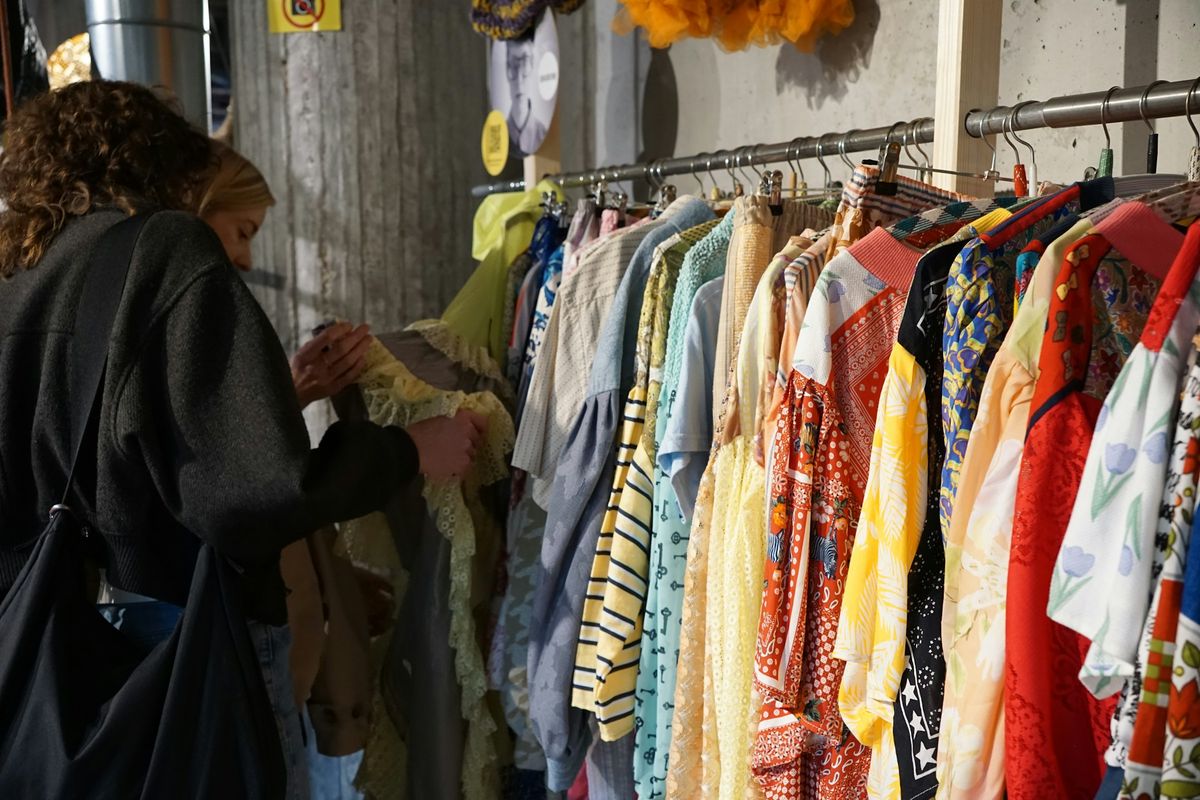 Consignment shops work as selling partners , not buyers. You keep ownership of your clothing until a customer pays for it, and the shop earns its cut only when it sells .
"The consignment model is built on a simple truth: the shop earns nothing until your item sells , making every listing a shared investment between seller and store." — How Consignment Works
💡 Example: If you drop off a jacket priced at $40 , the shop keeps 40–50% as commission, but only after a buyer purchases it. Until then, you retain ownership.
The shop's incentive lines up with yours. Because they earn nothing until your item sells, staff are careful about what they accept, thoughtful about pricing , and motivated to move inventory. A thrift store accepts donations and prices them however it likes because it already owns the goods . A consignment shop prices carefully because a bad price means no sale — and no commission .
Feature | Consignment Shop | Thrift Store |
|---|---|---|
Ownership of goods | Stays with you until sold | Transferred via donation |
Pricing control | Careful — tied to commission | Set freely by the store |
Staff motivation | High — no sale = no pay | Lower — goods are already owned |
Your earning potential | Commission-based split | None — items are donated |
🎯 Key Point: The consignment model creates a natural quality filter — shops only accept items they're confident they can sell, because their revenue depends on it .
⚠️ Warning: Don't confuse consignment with donation. If you leave items at a consignment shop, you still own them — and you may need to reclaim unsold pieces after a set period.
How the money actually splits
According to Retail Business Review , consignment shops typically pay sellers 40 to 60 percent of the sale price. This range depends on brand recognition, item condition, current demand, and the shop's need to clear shelf space. A barely worn designer coat can earn closer to 60 percent, while a fast-fashion blouse from three seasons ago earns less, if the shop accepts it at all.
How do consignment shops buy clothes compared to selling privately online?
Most sellers list items privately online, photograph each piece, handle lowball offers, and package shipments themselves—a process that can take hours per item with no guarantee of sale. Our Pick Up Point second hand designer service eliminates that friction by connecting pre-owned clothing with actively searching buyers, letting sellers reach a qualified audience faster without the back-and-forth.
Why the market keeps growing
The secondhand market is projected to reach $350 billion by 2027 , reflecting a fundamental shift in how consumers view ownership, value, and consumption. Buying or selling pre-owned clothes is no longer primarily about saving money; it's increasingly about personal values. It aligns individual style with environmental responsibility and community impact. The consignment model extends the life of quality pieces rather than allowing them to be discarded after a single owner.
What terms govern how consignment shops buy clothes from you?
Written control agreements every consignment arrangement, covering the commission split, listing period (usually 30 to 90 days), markdown schedule, and disposition of unsold pieces. Read the contract before leaving items, as terms vary significantly.
Do consignment shops buy clothes outright or sell them on your behalf?
Most sellers never ask whether the shop buys clothes outright or sells them on your behalf .
Related Reading
How To Sell Ray-Ban Sunglasses
How to Sell a Designer Bag
How to Sell Prada Handbags
Are Consignment Shops Worth It
Where Can I Sell My Tory Burch Bag
Where Can I Sell My Dior Bag
Best Place To Sell Luxury Watches
How to Sell Luxury Items
Where Can I Sell My Versace Sunglasses
Where Can I Sell My Balenciaga Bag
How to Sell Adidas Shoes
Do Consignment Shops Buy Clothes or Only Sell Them?
Consignment shops do not buy your clothes. They act as your selling agent , take possession , price the item , and pay you a percentage only after a customer completes a purchase.
"Consignment stores operate as intermediaries: you don't get paid until your item actually sells , which can take anywhere from 30 to 90 days ." — Resale Industry Overview
💡 Tip: Before dropping off your clothes, ask the shop for their consignment split . Most stores offer sellers 40% to 60% of the final sale price.
That difference matters before you walk in the door. If you need cash today , waiting 30 to 90 days for a sale that may never happen is a real risk . Buy-outright resale shops flip that equation: they evaluate your pieces right away , make an offer, and the clothes are no longer yours the moment you accept. You trade the chance for more money for the certainty of getting paid now .
Shop Type | Payment Timing | Who Sets Price | Earning Potential |
|---|---|---|---|
Consignment Shop | After item sells (30–90 days) | The shop | Higher potential payout |
Buy-Outright Resale | Immediately on acceptance | The shop | Lower, but guaranteed |
⚠️ Warning: If you're counting on fast cash , consignment is not your best option — a sale is never guaranteed, and items can sit unsold for weeks.
🔑 Takeaway: Choose consignment when you can afford to wait and want to maximize your return . Choose buy-outright when you need immediate payment and value certainty over potential.
What goes wrong when sellers misread the consignment model?
The failure point is usually a mismatch between what the seller needs and what the model delivers. Someone expecting immediate payment from consignment walks away frustrated. Someone who accepts a buy-outright offer and later sees their jacket priced at four times what they received feels the gap acutely. Both outcomes are predictable when you know which model you are entering. A Morning Consult survey of 2,204 US adults in July 2024 found that 46 percent had shopped secondhand and 26 percent had sold something in the prior three months, with clothing the top category for 67 percent of those secondhand shoppers.
Most sellers assume the shop's reputation means standard terms. The hidden cost: unsold items get marked down on an agreed schedule you may not remember, and pieces that don't move can end up donated rather than returned .
Why does selling secondhand matter beyond the transaction itself?
When you sell a well-made piece through consignment instead of discarding it, you extend its life and keep it in circulation. According to the ESG News / ThredUp Resale Report , 55% of consumers say they will spend more on secondhand if the economy worsens, suggesting resale isn't a niche preference but a lasting shift in how people value clothing.
Which model is actually better when consignment shops buy clothes?
Neither model is universally better. Consignment rewards patience and strong demand , while buy-out rewards speed and certainty. The right choice depends on what you're selling, how quickly you need the money, and whether the shop's customers want what you're offering.
But knowing which model fits your situation is only half the answer. What the shop will accept in the first place is a separate decision entirely, and far more selective than most sellers expect.
What Types of Clothes Do Consignment Shops Accept?
Consignment shops accept current-season clothing in excellent condition from brands that resell well . Everything else gets turned down at intake , no matter how much it was worn or how much it cost originally .
"Everything else gets turned down at intake — no matter how much it cost originally." — Standard Consignment Policy
💡 Tip: Before bringing clothes in, check that each item is current-season , clean , and from a recognizable brand — these are the three non-negotiables most consignment shops enforce at the door.
⚠️ Warning: High original price does not guarantee acceptance. Consignment shops evaluate items on resale demand , not what you paid — even a designer piece can be rejected if it's out of season or shows wear.
Accepted | Rejected |
|---|---|
Current-season styles | Out-of-season or dated looks |
Excellent condition items | Worn, stained, or damaged pieces |
In-demand brands | Low-resale or off-brand labels |
Clean, pressed clothing | Items needing repair or washing |
Why season timing matters more than you think
Shops stock ahead of the weather, not with it. A lightly worn coat wool brought in during July will be turned away not because it lacks quality but because the shop already filled its cold-weather rack two months earlier. LegalClarity's reporting on intake practices confirms this pattern: stores accept winter pieces in late summer and lightweight clothing in early spring. Your timing must match the shop's buying calendar, not your decluttering schedule.
How do condition standards affect whether consignment shops buy clothes?
Condition standards are equally strict. Shops reject anything showing pilling, stretched fabric, faded color, lingering odor, or staining, even if minor. A single pulled thread on an otherwise perfect blouse can disqualify it because customers expect near-retail presentation. The Indyx 2025 State of Our Wardrobes report found that 25 percent of the average wardrobe went completely unworn in the previous year, yet shops still rejected significant portions of those untouched pieces because unworn does not automatically mean sellable.
Does brand recognition decide which clothes consignment shops will buy?
Brand recognition is the third filter. Fast-fashion basics from discount retailers are rejected not because they are damaged but because they lack resale value. Shops only earn money on items that sell, so they stock brands their customers know and seek. A piece of clothing from a well-known contemporary or designer brand in perfect condition will almost always pass intake. The same style from an unknown brand will not, no matter the fabric quality.
Why does bringing more clothes in rarely improve what consignment shops buy?
Most sellers gather every unworn item in the closet and bring it all in at once. This creates the result described in Garson and Shaw's research : the US holds an estimated 1.6 billion unworn garments, yet shops reject large portions of every drop-off because volume and quality aren't the same. Platforms like Pick Up Point approach this differently by focusing on pre-owned luxury and designer fashion, where resale demand is established, and the gap between what sellers bring and what buyers want is narrower.
What actually passes the intake test
Clothes that consistently clear intake share three traits: they are current-season, from a recognizable brand, and in condition requiring no imagination from the buyer. Designer pieces and contemporary labels in excellent shape move fastest because they carry built-in demand. A reported intake of 22 mixed pieces resulted in only 14 being accepted—the eight rejected items returned home, meaning the trip cleared less space and generated less income than a targeted, pre-screened drop-off would have produced.
That gap reveals that clothes carry a story that extends well beyond the transaction.
Related Reading
Can You Sell A Rolex Without Papers
How to Sell Chanel Bags
How To Sell Rado Watch
How to Sell a Cartier Watch
How Much Can I Sell My Rolex For
Where Can I Sell My Louis Vuitton Bag
How to Sell My Rolex Watch
Which Consignment Shops Pay The Most
How To Start A Consignment Store
Louis Vuitton Dust Bag Real Vs Fake
How To Sell Patek Philippe Watch
9 Consignment Shops That Buy Clothes From Sellers
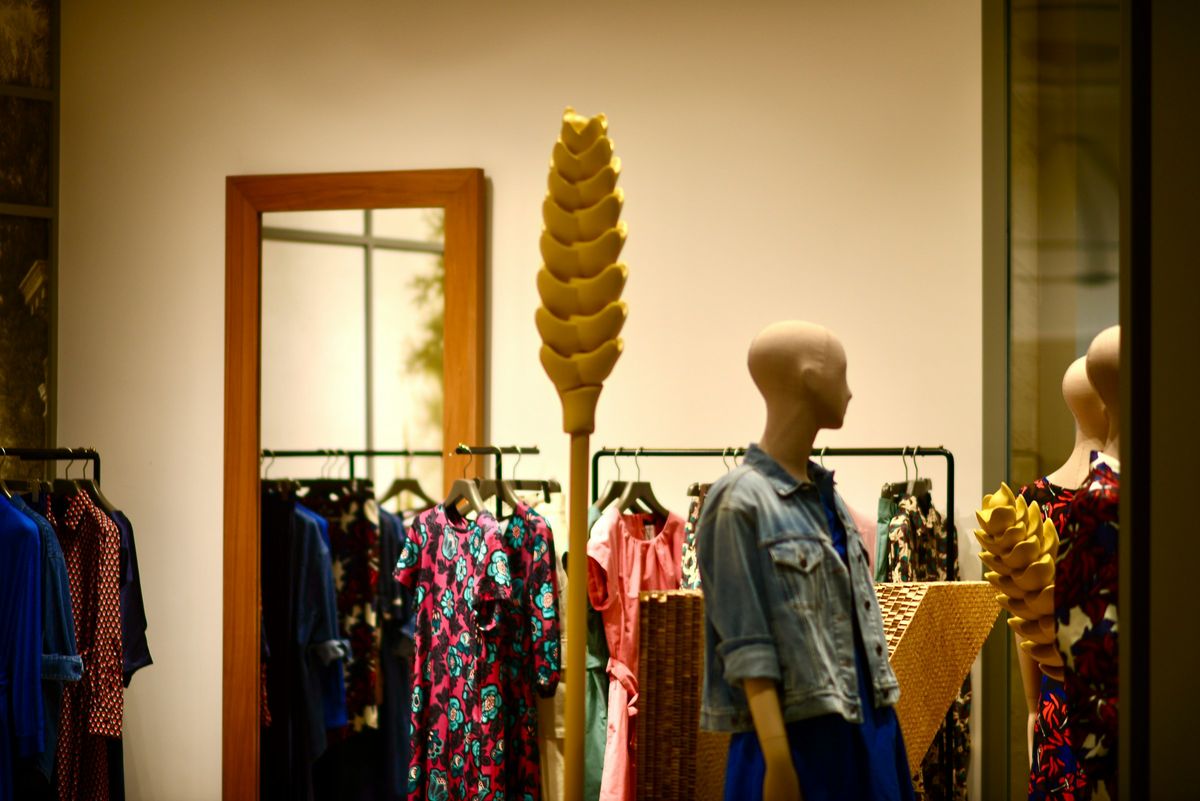
Consignment shops let you turn unused designer outfits, gently worn clothing , and pre-loved fashion pieces into extra income . These stores display your items and pay you when they sell — making it one of the most hands-off ways to monetize your wardrobe.
"Consignment selling is one of the fastest-growing segments of the secondhand fashion market — letting sellers earn passively while stores handle the hard work." — Resale Industry Insights
💡 Tip: The best consignment shops accept designer labels , gently used basics , and on-trend pieces — so always check a store's acceptance criteria before dropping off your items.
What You Bring | What the Shop Does | What You Get |
|---|---|---|
Designer outfits | Prices & Display Items | Cash or store credit |
Gently worn clothing | Handles buyer transactions | Percentage of sale price |
Pre-loved fashion pieces | Markets to shoppers | Passive income |
⚠️ Warning: Not every item will be accepted — consignment shops are selective about condition, brand, and current demand, so prepare for some pieces to be turned away .
1. Pickuppoint
Pickuppoint is a Macau-based second-hand designer fashion platform founded by Kathryn and Rainbow, who bring experience from the luxury retail industry. It collects pre-loved designer bags, clothing, shoes, and accessories from a limited group of fashion-loving sellers who clear seasonal wardrobes for environmental and charitable reasons. The platform carefully inspects and authenticates every piece before listing. Sellers contact the team to arrange a review or drop-off, after which the platform handles valuation, listing, and sale. This removes the work of photographing, messaging buyers, and shipping individual high-end items yourself.
Features
Specializes in authenticated pre-loved designer bags , clothing, shoes, and accessories.
Collects items only from a limited network of trusted sellers with long-standing relationships in the fashion industry.
Inspects and authenticates every piece; it accepts and sells only items with clear origins.
Handles the full process from submission through listing and sale.
Lists condition grades on items.
Offers global shipping using recycled cardboard packaging.
Provides wardrobe cleaning and recycling services tied to environmental goals.
Gives sustainable fashion styling suggestions.
Founded to bring designer works into the second-hand market.
Arranges studio meetings in Macau for viewing or try-on.
The online store is open 24 hours a day.
Contact available via email , WeChat, Instagram, and Facebook.
Best For
Sellers with authenticated designer clothing, bags, or accessories from seasonal wardrobe cleanouts who want a specialist to manage inspection, listing, and sales without handling individual buyers.
Pros
Removes the need to manage photos, buyer messages, and shipping for high-end pieces.
Authentication and source checks reduce disputes over legitimacy.
Clear process for items that local everyday shops often decline.
Helps free space from unused designer pieces that sit in closets.
Global reach connects items to targeted luxury buyers.
Environmental focus turns wardrobe clear-outs into reuse.
Documented inspection builds confidence for both seller and eventual buyer.
Cons
Limited to designer and high-end categories.
Accessibility
Contact pickuppointmo@gmail.com or reach out via WeChat (pickuppointmo), Instagram, or Facebook to arrange a review. Studio address in Macau at Calçada Central de São Lázaro 11, Edificio Hei Lei, L1 for scheduled meetings. Online platform available 24 hours.
2. Plato's Closet
Plato's Closet buys gently used clothing, shoes, and accessories for teens and young adults and pays cash on the spot for accepted items. Staff reviews each piece for brand, condition, and current demand while you wait. Most locations don't require an appointment. This directly solves the problem of clothes sitting in a closet with tags still on: bring clean, in-season mall and trendy brands and leave with cash the same visit instead of waiting for a consignment sale.
Features
Buys on the spot with cash or store credit options.
Focuses on current styles from popular teen and young-adult brands.
No appointment needed at most stores.
Accepts clothing, shoes, and accessories.
Reviews items while you are in the store.
More than 500 locations across the US and Canada.
Pays based on expected resale price, condition, and demand.
Pros
Instant cash clears the closet the same day.
Many locations make it easy to find one nearby.
Transparent on-the-spot decision removes waiting.
Works well for recent purchases that no longer fit or match style.
Avoids photo and shipping work of online selling.
Cons
Highly selective; it declines outdated or heavily worn items.
Cash offers are a portion of the planned resale price, typically lower than a full online sale.
Seasonal demand means off-season pieces get turned away.
Some locations limit same-day cash amounts.
Accessibility
Hundreds of stores; use the official site to find the nearest location. Walk-in buying during open hours. Bring a valid ID.
3. Once Upon a Child
Once Upon A Child buys gently used kids' clothing, shoes, toys, and gear and pays cash or store credit the same day for accepted pieces. Staff check condition, safety, and current demand. Parents who outgrow clothes quickly can drop off a bag of clean, current items and leave with money instead of storing outgrown pieces or listing them online one by one. The store focuses on what sells for children, so standards stay clear.
Features
Buys children's clothing, shoes, toys, and some furniture.
Pays cash or store credit on the spot.
Checks for clean condition and working items.
No appointment required at most locations.
More than 400 stores.
Accepts current styles and brands that parents seek.
Handles the resale so sellers skip individual listings.
Pros
Instant payment frees space from outgrown kids' clothes.
High store count for easy access.
Accepts a mix of clothing and gear in one visit.
Clear condition rules reduce surprise rejections.
Store credit option can stretch the payout if you shop there.
Cons
Only children's items; adult clothes are declined.
Offers are a fraction of the original retail price.
They refuse heavily worn or damaged pieces.
Seasonal and size-specific demand can limit acceptance.
Accessibility
Hundreds of US and Canada locations. Walk-in during store hours with ID. Check the site for current buying needs by location.
4. Buffalo Exchange
Buffalo Exchange buys current, vintage, and unique clothing for adults and pays either cash or store credit on the spot. Buyers evaluate style, condition, and what the store currently needs. Sellers choose 25 percent of the planned selling price in cash or 50 percent in trade credit that can be used at any location. This option fits people who want immediate money or store credit for a mixed closet of trendy and vintage pieces without managing online sales.
Features
Buys men's and women's clothing, shoes, and accessories year-round.
Offers 25 percent cash or 50 percent store credit of the selling price.
No appointment required.
More than 40 stores.
Accepts current styles through vintage.
Buyers decide based on condition and inventory needs.
Trade credit never expires and works across locations.
Pros
Same-day cash or higher-value credit.
Accepts a wider range of styles than teen-focused shops.
No waiting period for payment.
Useful for quickly clearing mixed adult closets.
Trade option increases the effective payout if you shop there.
Cons
Cash rate is lower than the credit option.
Selective on condition; they decline damaged or heavily worn items.
Demand varies by location and season.
No mail-in selling.
Accessibility
Stores across the US. Walk in during open hours with a government-issued ID. Check the site for the nearest location.
5. Crossroads Trading
Crossroads Trading buys on-trend men's and women's clothing, shoes, and accessories and pays cash or trade credit the same day. Higher-priced items earn a larger cash percentage (up to 40 percent of the store price), while trade stays at 45 percent. The chain also offers a consignment option for select high-end designer pieces. Sellers who have current styles or a few designer items can get immediate cash for most pieces and a higher split on premium ones that sell later.
Features
Pays 25 to 40 percent cash or 45 percent trade of the store price.
Tiered cash rates rise with higher-priced items.
Accepts current, clean clothing and some designer pieces.
Offers in-store, drop-off, and mail-in options at many locations.
Provides a consignment path for select premium items (50 to 70 percent after sale).
More than 30 stores plus mail-in.
Reviews condition and demand on the spot.
Pros
Immediate cash for accepted everyday and trendy pieces.
Higher cash percentage on more expensive items.
Mail-in option for sellers without a nearby store.
Consignment alternative for designer pieces that may earn more.
Clears closet space the same day for most items.
Cons
Strict on condition; small flaws lead to rejection.
Cash rates remain a portion of the resale price.
Consignment still requires waiting for a sale on premium items.
Acceptance depends on the store's current inventory needs.
Accessibility
Stores in multiple states plus mail-in bags for the continental US. Walk-in or scheduled drop-off. Valid photo ID required for in-person selling.
6. Clothes Mentor
Clothes Mentor buys gently used women's clothing, shoes, handbags, and accessories in sizes 0–26 and pays cash or store credit on the spot. Staff reviews clean, current styles from name brands and designer labels while you wait. The store prices most items at about one-third of original retail and offers roughly 25–30 percent of that price. This gives sellers an immediate exit for work and casual pieces that no longer fit without listing photos or waiting for a buyer.
Features
Focuses on women's apparel sizes 0–26, including casual and professional styles.
Pays cash on the spot or store credit (often higher value).
Accepts shoes, handbags, jewelry, and accessories.
Uses a computer matrix to offer consistent pricing based on brand, condition, and demand.
No appointment required at most locations.
Authenticates designer items before purchase.
More than 100 stores across the US.
Pros
Same-day payment clears space from unused work and casual clothes.
Broad size range fits more sellers.
Store credit option increases the payout if you shop there.
Clear process with on-the-spot decisions.
Handles designer handbags and shoes that local shops may skip.
Cons
Limited to women's items.
Offers remain a portion of the planned resale price.
Out-of-season or heavily worn pieces get declined.
Acceptance varies by current store inventory.
Accessibility
Store locator on the official site. Walk in during open hours with a valid ID. Bring items freshly laundered and off hangers.
7. Uptown Cheapskate
Uptown Cheapskate buys gently used name-brand clothing, shoes, and accessories for men and women and pays cash or store credit the same day. Buyers check condition, brand, and current demand. Cash offers typically run 25–35 percent of the store's selling price, with store credit adding about 25 percent more. Sellers with recent mall and contemporary brands can drop off a bag of clean pieces and leave with money instead of storing them.
Features
Buys men's and women's current and trendy styles.
Pays cash on the spot or higher store credit.
Accepts clothing, shoes, purses, and accessories.
No appointment needed.
Reviews items while you shop.
More than 100 locations.
Focuses on items in good condition and recent styles.
Pros
Instant cash or credit for everyday name-brand clothes.
Easy walk-in process.
Higher credit option if you plan to buy there.
Helps clear mixed closets quickly.
Seasonal buying guidance available at each store.
Cons
Cash payout is a fraction of the resale price.
Selective on condition and current demand.
Some brands and out-of-season items are declined.
Offer amounts vary by location and inventory.
Accessibility
Hundreds of US stores. Walk in during business hours with a government-issued ID. Check the site for the nearest location and current buying notes.
8. Style Encore
Style Encore buys gently used women's and men's clothing, shoes, handbags, and accessories and pays cash on the spot for accepted items. Staff reviews clean, current, and timeless pieces from name brands while you are in the store. No appointment is required. This option works for sellers who want immediate cash for adult casual and work clothes that meet condition and brand standards, without managing online sales.
Features
Buys women's and men's clothing, shoes, handbags, and accessories.
Pays cash on the spot for selected items.
Accepts current styles and better-name brands.
No appointment necessary.
More than 60 locations.
Reviews condition, brand, and store needs on the spot.
Part of the same parent company as Plato's Closet.
Pros
Same-day cash clears unused adult clothes.
Walk-in process with no waiting for a sale.
Covers both men's and women's styles.
Clear standards on cleanliness, recent pieces reduce waste trips.
Supports local franchise stores.
Cons
Offers are a portion of the planned resale price.
Declines heavily worn or outdated items.
Fewer locations than larger chains.
Acceptance depends on current store inventory.
Accessibility
Store locator on the official site. Walk in during open hours with a valid ID. Bring freshly laundered items in bags or bins.
9. Play It Again Sports
Play It Again Sports buys gently used sports equipment and related apparel and pays cash on the spot for accepted items. Staff check condition, brand, and current demand for gear such as skis, bikes, cleats, and athletic clothing. Families with outgrown sports items can bring clean, functional pieces and leave with money the same day instead of storing equipment that no longer fits.
Features
Buys sports equipment, apparel, and related gear.
Pays cash on the spot for selected items.
Accepts items in good working condition.
No appointment required at most stores.
More than 300 locations.
Focuses on brands and styles that local athletes use.
Reviews safety and function on the spot.
Pros
Instant cash for unused sports clothes and gear.
Many locations for easy access.
Clears bulky items from home quickly.
Clear condition standards on working gear.
Same-day decision removes waiting.
Cons
Limited to sports-related items.
Offers are a fraction of the original retail price.
They decline heavily used or damaged gear.
Seasonal demand affects what is accepted.
Accessibility
Hundreds of US and Canadian stores. Walk in during open hours with a valid ID. Check the site for current buying needs by location.
How to Choose the Best Consignment Shop to Sell Your Preloved Clothes
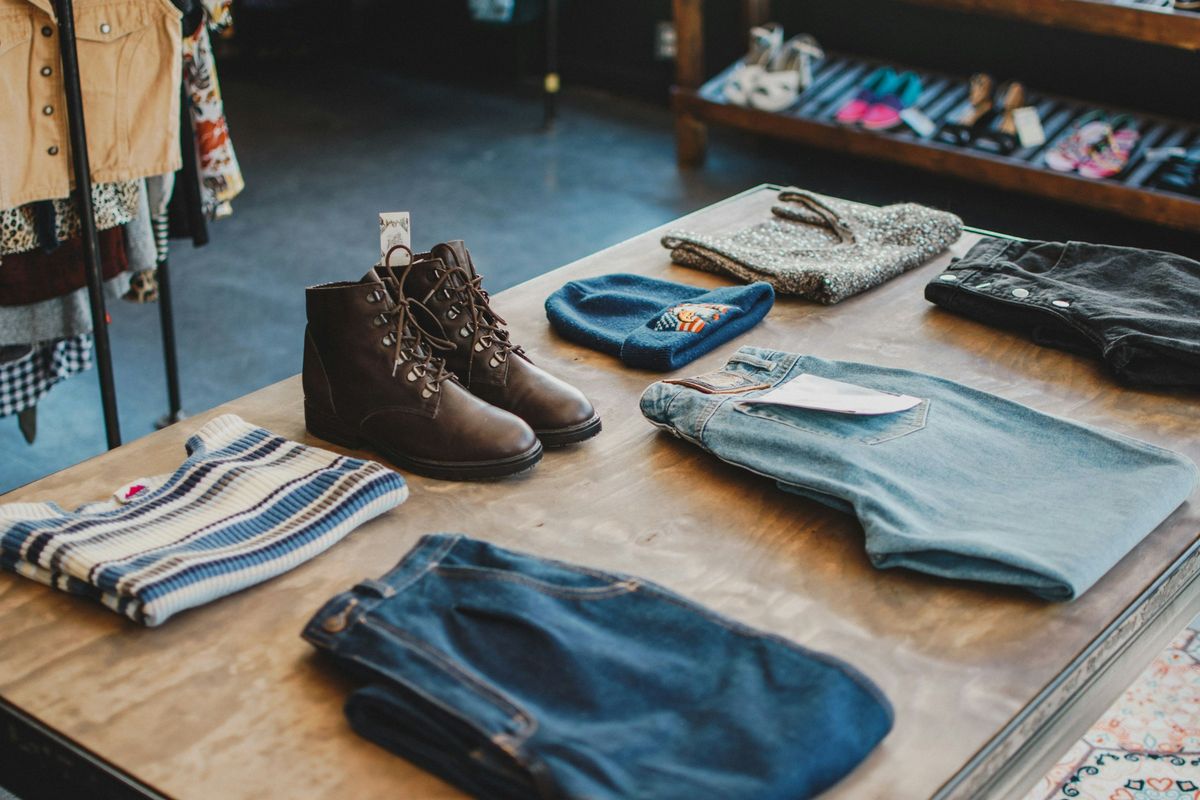
Picking the right consignment shop affects everything — how easily you sell your used clothes, how much money you get , and what happens to items that don't sell. Compare what each shop accepts , what they charge , how you sell items , and how they pay you to find an arrangement that protects your interests.
"The consignment arrangement you choose determines not just your payout — but your peace of mind when items go unsold." — Resale Industry Best Practices
Factor to Compare | Why It Matters |
|---|---|
What the shop accepts | Ensures your items qualify before you commit |
Fees and commission rates | directly impacts how much money you take home |
Selling method | Affects how fast your items move |
Payment terms | Determines when and how you get paid |
Unsold item policy | Protects you if clothes don't sell |
💡 Tip: Before committing to any consignment shop, always ask for their full fee schedule and unsold item policy in writing — this single step can save you from costly surprises .
⚠️ Warning: Never assume all consignment shops operate the same way. Skipping the comparison step is the most common mistake sellers make — and it often means leaving money on the table .
Match the Shop to the Clothes You Actually Own
Start by organizing what you plan to sell. Everyday mall brands fit shops stocking current teen and young-adult styles. Contemporary labels and workwear align with stores focused on women's professional pieces. Designer bags and higher-end clothing belong with specialists that handle authentication. A shop displaying only vintage or only kids' gear will decline your adult casual items. Matching the shop's focus to your brands and styles increases the likelihood that accepted pieces sell.
Decide Between Instant Cash and a Later Split
Some shops buy clothes immediately for quick cash or store credit, while others hold items, sell them, and send you a percentage later. Instant payment clears space quickly but pays less. A split return yields more if the piece sells quickly, but clothes may stay listed for weeks or never sell. Choose based on how soon you need money and whether you prefer complete the transaction in one visit.
Check Season and Condition Rules Before You Load the Car
Shops stock items based on current weather, so winter coats arrive in late summer and lightweight tops in early spring. Shops will reject heavy sweaters brought in June, regardless of brand or condition. Clothes must be freshly washed and free of stains, odors, holes, and stretched fabric. Check the shop's website or call before visiting to see what they're buying, so you don't return home with most of your bag still full.
Confirm What Brands and Styles the Shop Accepts
Brand recognition helps items sell faster and at higher prices. Fast-fashion basics from discount retailers stay on shelves longer and generate less revenue, so shops avoid them. Vintage pieces succeed only when the era or label aligns with the store's customer base. Ask the shop which specific labels they're buying this month so you don't pack items they won't accept.
Review How the Shop Displays and Prices
Walk around the store or look at recent photos online. Clean, organized racks and clear price tags demonstrate that the shop cares about presentation, which helps items sell. Crowded or messy sections mean slower sales and lower payouts. Prices below original retail value but aligned with the brand and condition attract buyers.
Read the Agreement for Timing, Markdowns, and Unsold Items
A written agreement lists the commission split, how long items stay on the floor, and what happens to unsold pieces. Most contracts run 30 to 90 days with scheduled price drops. Confirm whether you receive a list of accepted items, how you get paid, and whether unsold clothes return to you or go to donation. Clear written terms protect you from surprises.
Factor in Location, Hours, and Drop-Off Rules
A shop five minutes away with walk-in hours saves time compared with one requiring an appointment across town. Check whether the store accepts items daily or only certain days, limits pieces per visit, and confirm ID requirements and review timelines. Convenience matters when you want to free up closet space without multiple trips.
Choosing a shop that matches your clothes, payment needs, and current standards turns unused pieces into cash. Check the details first, then bring only what fits.
How PICKUPPOINT Helps You Give Preloved Clothes a Second Life

Each piece accepted for resale represents a decision to extend the life of something made, worn, and still worth wearing . Extending clothing life by nine months reduces its carbon, water, and waste footprint by 20 to 30 percent . A consignment drop-off is not a closet cleanout: it is a carbon decision .
"Extending the life of clothing by just nine months reduces its carbon, water, and waste footprint by 20 to 30 percent ." — Sustainability Research
🔑 Takeaway: Every item you resell instead of discard delivers a measurable environmental impact, cutting carbon, water usage, and textile waste by up to 30% with a single choice.
💡 Tip: Think of your next closet cleanout as a carbon-reduction action , not a declutter session. Dropping off even one item at a consignment point like PICKUPPOINT starts the clock on those sustainability savings .
⚠️ Warning: Sending still-wearable clothing to landfill wastes 100% of its remaining lifecycle value — both financially and environmentally . The 20–30% footprint reduction happens only when clothes stay in circulation .
Why do consignment shops buy clothes when private selling falls short?
Most sellers fail at the gap between owning something valuable and knowing how to move it. A Chanel jacket sitting in a garment bag yields no benefit. Most people list items privately online, receive lowball offers, answer authentication questions from strangers, and eventually give up. The item remains unsold, and the environmental benefit never materializes.
How does PICKUPPOINT remove the friction between seller and sale?
Pick Up Point solves that problem. Sellers with authentic designer pieces, bags, shoes, and accessories send items to a closed network built on strong industry relationships. Our platform handles inspection, authentication, pricing, photography, and sales, connecting used luxury items to global buyers without requiring sellers to answer questions or manage anything.
What happens to pieces that do not fit the local market?
A seller has a Celine tote or Miu Miu top that no nearby shop will take, either because there aren't enough local buyers or the item doesn't match what customers in that area want. Geography can stop a sale before it starts. Pick Up Point's online store operates 24 hours and ships worldwide in recycled cardboard packaging, allowing pieces rejected locally shops to find buyers and helping meet reuse goals.
How does removing friction help consignment shops buy clothes at a global scale?
The Good Trade reports that the world produces over 92 million tons of textile waste each year, largely because systems for keeping clothes in circulation are too difficult to use. Pick Up Point removes friction from authentication, pricing, and international logistics: infrastructure for a consumption model where pre-loved designer fashion circulates instead of accumulating.
Where can sellers go to authenticate pieces and get styling guidance in person?
Sellers can set up a studio visit at Pick Up Point in Macau at Calçada Central de São Lázaro 11, Edificio Hei Lei, L1, where staff verify authenticity and fit before purchase. The team also provides sustainable fashion styling advice, extending the relationship beyond the sale.
Related Reading
Best Pre-owned Luxury Consignment Stores
Best Luxury Consignment Shops For Used Clothes
How To Sell A Breitling Watch
Designer Bags That Hold Value
Best Luxury Consignment App
Best Luxury Shoe Consignment Stores
Chanel Dust Bag: Real vs. Fake
Consignment Shops Vs Thrift Stores
How to Sell Omega Watch
Get your Next Luxury Purchase from PICKUPPOINT
Expert curation —where someone knows the pieces, checks quality, and helps you style finds—transforms pre-loved fashion from compromise into a thoughtful, intentional choice .
" Expert curation transforms pre-loved fashion from a gamble into a guarantee : quality checked, styled, and ready to wear." — PickUpPoint
💡 Tip: When shopping pre-loved luxury , seek platforms offering hands-on quality checks and expert styling guidance . It's the difference between settling and scoring .
🎯 Key Point: Curated consignment isn't just about saving money—it's about making a smarter, more sustainable fashion decision without sacrificing quality or style.
If you have unworn designer clothing, bags, shoes, or accessories , Pick Up Point offers a straightforward consignment path that takes the hassle entirely out of reselling. Our platform accepts quality luxury pieces , handles them with exceptional care , and connects what you no longer wear with genuine, passionate users who will love them.
What We Accept | How It Works |
|---|---|
Designer Clothing | Drop off at our Macau studio |
Luxury Bags | We check and list your piece |
Premium Shoes | Genuine buyers browse & purchase |
Fine Accessories | You earn from every sale |
✅ Best Practice: Visit our Macau studio in person for a seamless drop-off experience, or browse available pieces anytime at pickuppoint.mo to start your luxury resale journey today.
⚠️ Warning: Don't let unworn luxury items sit idle in your wardrobe — every season they sit is value lost . Consign now and let your pieces work for you .