


Louis Vuitton Second Hand Value: 9 Tips to Maximize Returns
Louis Vuitton second hand value drops fast. Pick Up Point shares 9 proven tips to sell smarter and keep more money.
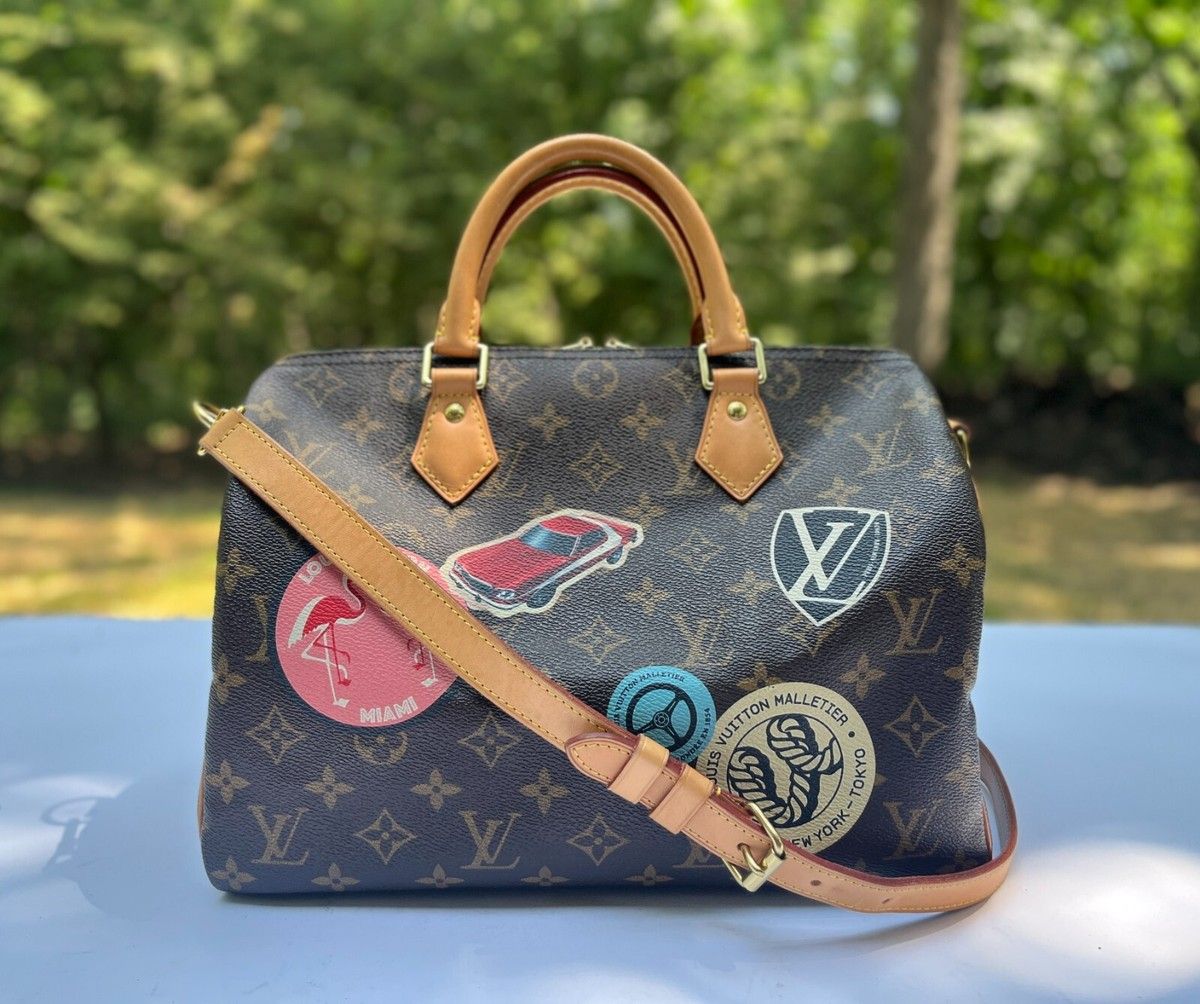
The pre-owned luxury market moves quickly, and knowing what drives Louis Vuitton resale value can mean the difference between a strong return and leaving money on the table. Factors like condition, style, hardware, and market timing all influence how much a bag is worth, and sellers who understand these variables consistently walk away with better offers.
Platforms vary widely in how they handle authentication, pricing, and buyer reach, so choosing the right resale channel matters as much as the bag itself. If you're asking whether Fashionphile is legit or exploring alternatives, consider Pick Up Point, a trusted source for second hand designer pieces that connects sellers with buyers actively seeking authenticated Louis Vuitton.
Table of Contents
What Determines Louis Vuitton Second Hand Value?
Does Condition Affect Louis Vuitton Second Hand Value?
Which Louis Vuitton Pieces Tend to Hold Their Secondhand Value?
9 Tips to Maximize Your Louis Vuitton Second Hand Value
Common Mistakes That Reduce Your Louis Vuitton Second Hand Value
How PICKUPPOINT Helps You Get More From Your Louis Vuitton Pieces
Get Your Next Luxury Purchase from PICKUPPOINT
Summary
Entrupy's 2026 State of the Fake report shows Louis Vuitton accounted for 33.2 percent of all luxury authentication submissions, with its Monogram canvas generating more than $37 million in detected fakes; the brand's unidentified rate sat at 8.3 percent. Genuine pieces carry consistent date codes (pre-2021) or embedded microchips (post-2021), perfectly aligned monogram patterns at every seam, mustard-yellow stitching, solid brass hardware with precise engraving, and natural vachetta that ages evenly.
Louis Vuitton bags in "excellent" condition resell for up to 80 percent of their original retail price, while bags rated "good" typically fetch only 50 to 60 percent. That 20 to 30 percentage-point gap isn't cosmetic. On a bag that originally retailed for $2,500, the difference between careful ownership and casual use can represent $500 to $750 in lost return, and "like new" condition can push retention up to 90 percent of retail, widening the spread further.
Classic silhouettes consistently outperform seasonal and trend-driven styles in the resale market. Iconic monogram canvas pieces like the Speedy, Neverfull, and Pochette Métis can resell for 60 to 80 percent of retail in good condition, while leather and seasonal designs frequently sell at a loss once the fashion cycle moves on. The wider buyer pool for classic styles keeps demand steady in ways that trend-dependent pieces simply cannot maintain.
Scarcity is the mechanism that makes appreciation possible in luxury resale. Limited edition collaborations and discontinued models follow a different pricing logic entirely, with some pieces commanding 100 percent or more of their original retail price once supply closes permanently. Standard production runs, regardless of condition, cannot reach that ceiling because supply and demand never reach the same imbalance.
The completeness of original accessories has a direct and often underestimated effect on resale offers. Missing a dust bag, lock, keys, or original receipt creates provenance doubt in a buyer's mind, and that doubt compresses offers in ways that are entirely separate from the bag's physical condition. Sellers who treat original packaging as clutter rather than documentation consistently leave money on the table.
Louis Vuitton has raised retail prices by more than 30 percent in recent years, measurably shifting the dynamics of the pre-owned market. As new retail prices climb, authenticated pre-owned pieces become more attractive to buyers seeking the craftsmanship without the full new-purchase premium. This dynamic rewards sellers who enter the market with verified, well-preserved inventory and penalizes those who list without documentation or professional inspection.
PICKUPPOINT connects sellers of authenticated pre-owned Louis Vuitton pieces with buyers who already know what they want, closing the trust gap that suppresses offers on general marketplace listings.
What Determines Louis Vuitton Second Hand Value?
Six measurable factors set the resale price of every Louis Vuitton piece: condition , authenticity , model demand , material , completeness of original accessories , and market timing . Miss even one and offers drop fast.
Factor | Impact on Resale Value |
|---|---|
Condition | Primary driver — flaws cut value sharply |
Authenticity | Non-negotiable — fakes have zero legitimate resale value |
Model Demand | High-demand styles command premium pricing |
Material | Exotic leathers vs. canvas = significant price gap |
Original Accessories | Complete sets fetch measurably higher offers |
Market Timing | Seasonal and trend cycles directly shift prices |
🎯 Key Point: All six factors work together — a pristine bag with missing accessories or questionable authenticity will still lose significant value at resale.
⚠️ Warning: Sellers most commonly underestimate market timing and completeness of accessories — these two factors alone can swing offers by a substantial margin .

Entrupy's 2026 State of the Fake report reveals that Louis Vuitton accounted for 33.2 percent of all luxury authentication submissions, making it the most counterfeited luxury brand tracked. Its iconic Monogram canvas alone generated more than $37 million in detected fakes, while the brand's unidentified rate sat at 8.3 percent .
"Louis Vuitton accounted for 33.2% of all luxury authentication submissions, with its Monogram canvas generating more than $37 million in detected fakes." — Entrupy, State of the Fake Report 2026
🔑 Takeaway: An 8.3% unidentified rate means nearly 1 in 12 submitted pieces couldn't be conclusively verified—a reminder that professional authentication is essential before resale.
Why do classic styles hold more Louis Vuitton second hand value than seasonal ones?
Sellers who bought classic styles recover far more money than those who chased trend-driven styles. According to the Second Sense Co. Louis Vuitton Resale Report , iconic monogram canvas styles resell for 60 to 80 percent of the original retail price in good condition, while leather and seasonal designs frequently sell at a loss. The Speedy, Neverfull, and Pochette Métis attract the widest group of buyers because they never feel out of date, whereas seasonal pieces attract smaller audiences and lower bids once the fashion cycle moves on.
How does scarcity push Louis Vuitton second hand value above retail?
Scarcity changes this situation. When Louis Vuitton controls product availability through waitlists or discontinues a model, secondary market prices exceed original retail costs. Limited-edition collaborations like the revived Murakami series have pushed certain styles past 130 percent of original retail . This value increase depends on the item being in good condition with all original paperwork.
What most sellers overlook about completeness
The failure point is usually the accessories, not the bag itself. Missing a dust bag, lock, keys, or original receipt creates doubt about the bag's provenance, which translates directly into a lower offer. Keeping every original piece together from purchase is one of the simplest, highest-return decisions a Louis Vuitton owner can make.
Why does the selling platform affect Louis Vuitton second hand value?
Most sellers list on general marketplaces, which require no setup but rarely offer authentication support. This leaves buyers skeptical and sellers unable to justify asking prices. Our second hand designer platform , built specifically for pre-owned luxury, connects authenticated pieces with buyers who understand what they seek, closing the trust gap that suppresses offers on general listings.
When does condition and completeness unlock full Louis Vuitton second hand value?
Second Sense Co. reports that limited edition and discontinued Louis Vuitton bags can sell for resale prices up to 100 percent or more of the original retail price when condition, authentication, and completeness are all sound. Any deficiency in these areas predictably lowers the final price based on what buyers prioritize.
Does Condition Affect Louis Vuitton Second Hand Value?
Condition is the single most unforgiving variable in Louis Vuitton resale pricing . Every other factor — model demand , authentication , accessory completeness — assumes a baseline level of physical integrity . When that baseline slips, the math changes fast .
🎯 Key Point: No matter how desirable the model, poor condition can override every other positive factor in a resale transaction.
Resale Factor | Impact When Condition Is Strong | Impact When Condition Slips |
|---|---|---|
Model Demand | Maximizes price premium | Premium is significantly reduced |
Authentication | Confirms full value | Value confirmed but discounted |
Accessory Completeness | Adds meaningful uplift | Uplift is undermined by wear |
Physical Integrity | Sets the pricing baseline | Baseline collapses — all else follows |

A Lehigh University study published in Production and Operations Management examined actual online sales of Louis Vuitton handbags and confirmed that willingness to pay declines as condition worsens, with steeper drops for certain buyer groups .
"Willingness to pay declines as condition worsens , with the drop occurring more rapidly for certain buyer groups." — Lehigh University, Production and Operations Management
⚠️ Warning: Don't assume a well-known model will hold its value regardless of wear. Condition deterioration hits resale prices faster than most sellers expect.
How dramatically does condition shift the numbers?
According to the Second Sense Co. Louis Vuitton Resale Report , bags in "excellent" condition resell for up to 80% of retail, while "good" condition bags sell for 50 to 60%: a 20 to 30 percentage point gap on the same model. On a $2,500 bag, that represents $500 to $750 lost to invisible everyday wear. "Like new" condition pushes retention to 90% of retail, meaning the spread between a well-kept bag and a casually used one can exceed $1,000.
Why does vachetta leather define Louis Vuitton second hand value so heavily?
The failure point is usually the vachetta leather. Handles, straps, and trim darken unevenly from skin oils and moisture, and buyers treat that unevenness as a permanent defect. A warm, even honey patina supports strong offers; water rings, dark splotches, or surface cracking do not. Sellers often assume all patina is equal, but buyers measure color consistency against replacement cost.
How does cumulative wear compound losses beyond what sellers expect?
Most sellers check condition by looking at similar items online, but they miss how damage compounds: tarnished hardware, a sticky zipper, and faded lining each reduce value separately. Platforms like Pick Up Point evaluate condition clearly, so our platform helps pricing reflect actual state rather than optimistic self-assessment. Honest upfront communication speeds transactions and keeps final prices closer to listing price.
What does condition mean for the bag's second life?
A bag in excellent condition lasts longer for another owner, reducing the need for new production and keeping a well-made object in use. Caring for a Louis Vuitton bag while you own it shows responsibility for something made to last beyond trends. The resale market rewards that responsibility with money, but the environmental logic works the same way: a bag passing from one careful owner to the next represents a fashion cycle that costs the planet far less than manufacturing new bags.
How do storage habits shape Louis Vuitton second hand value before a sale?
How you store a bag affects its condition before a buyer sees it. Bags left without stuffing lose their shape. Humidity encourages mold inside the lining . Direct sunlight fades canvas and accelerates vachetta darkening in ways no conditioning treatment can reverse. These outcomes are preventable, but they become costly when sellers receive lower offers as a result. Once you understand how condition affects value across every Louis Vuitton category, a more specific question emerges: not all models lose value from condition issues equally, and some hold their value in surprising ways.
Related Reading
Which Louis Vuitton Pieces Tend to Hold Their Secondhand Value?
The specific shape and style of your Louis Vuitton piece determines whether it will sell for more or less money when you resell it. Limited production , real demand from buyers , and genuine scarcity are what separate items that keep their value from items that lose value .
" Limited production , real buyer demand, and genuine scarcity are the three forces that determine whether a Louis Vuitton piece holds — or loses — its resale value." — Key Market Insight
Value Factor | Holds Value | Loses Value |
|---|---|---|
Production Volume | Limited / Rare | Mass produced |
Buyer Demand | High and consistent | Low or fading |
Scarcity | Genuine & verified | Widely available |
🎯 Key Point: Not all Louis Vuitton pieces are created equal — shape, style, and production limits are the real drivers of secondhand price.
💡 Tip: Before reselling, research whether your specific Louis Vuitton style falls into a limited production run — this single factor can dramatically impact your final sale price .

The Capucines Case for Scarcity
The Capucines dominate the secondhand market because Louis Vuitton far produces fewer of them than canvas icons. The full-leather construction with discreet branding attracts collectors who act quickly when a clean example appears. An independent analysis of more than 20,000 sold Louis Vuitton listings ranked the Capucines highest on a desirability index combining average resale price with days to sell, with the BB and Mini sizes driving that result. Tighter supply meeting concentrated demand produces offers that stay closer to current retail than almost any other Louis Vuitton model.
Practical Demand Lifts the Speedy Bandoulière
The same study of 20,000 listings gave the Speedy Bandoulière a desirability score of 30.75 , compared to 23.16 for the classic handheld Speedy. The strap version commands higher average prices and sells faster because buyers prefer hands-free carrying without sacrificing the iconic silhouette. The classic Speedy's high production volume keeps supply elevated and limits residual value , while the Bandoulière maintains the same recognition while meeting everyday-use demands, sustaining stronger demand.
How does the Pochette Métis perform on the secondary market?
The Pochette Métis scored 32.20 on the desirability index, ranking third overall in the large-scale listing analysis. Its structured form, crossbody practicality, and waitlist-level primary-market interest create a buyer pool willing to pay premiums for clean, complete examples. Unlike open-tote styles that flood the secondary market , the Métis benefits from restrained production relative to demand, keeping sold prices closer to retail benchmarks.
Where can buyers find pre-owned pieces with genuine resale strength?
Many buyers treat the pre-owned market as a compromise rather than a destination for lasting luxury. Platforms like Pick Up Point shift this perspective, connecting style-conscious shoppers with authenticated pre-owned pieces that retain their value, so the bag you buy today can be resold tomorrow without the steep depreciation of mass-market alternatives.
Neverfull Holds Liquidity but Not Appreciation for Most Owners
Brand Vision Insights tracked the Louis Vuitton Neverfull from 2019 to 2025 and recorded value retention climbing from roughly 136 percent in 2023 to 158 percent in 2024 after the brand placed the model on a waitlist. That jump followed deliberate scarcity measures. For the large majority of Neverfulls already in circulation, produced in high volume before allocation limits, the secondary market functions as a liquidity channel rather than an appreciation vehicle. Continuous manufacturing kept supply abundant, so residual prices for typical well-kept examples settled into a predictable discount relative to the original outlay.
Where limited editions break the depreciation pattern
The only Louis Vuitton pieces that reliably avoid losing value are those no longer made. Artist collaborations, discontinued exotic leathers, and retired shapes operate differently: once production stops, the limited supply drives collector demand toward remaining inventory.
What does Louis Vuitton second hand value look like for limited releases?
Second Sense Co.'s Louis Vuitton Resale Report confirms that limited edition and collaboration pieces resell for 100 percent or more of their original retail price, a ceiling standard canvas production runs cannot reach. Scarcity is not a bonus feature in luxury resale; it is the mechanism that enables appreciation. Knowing which pieces hold value is only half the equation. What happens when you try to sell them reveals something most sellers never anticipate.
Related Reading
9 Tips to Maximize Your Louis Vuitton Second Hand Value
Selling a Louis Vuitton bag requires strategy . Care, documentation, presentation, and sales channel directly influence buyer appeal and valuation confidence — and getting these elements right can mean the difference between a mediocre offer and a maximum return .
"The four pillars of resale success — care, documentation, presentation, and sales channel — are what separate sellers who leave money on the table from those who command top dollar."
Factor | Why It Matters | Impact on Value |
|---|---|---|
Care & Condition | Buyers pay a premium for well-maintained pieces | High |
Documentation | Receipts, dust bags, and cards build buyer trust | High |
Presentation | Quality photos and descriptions attract serious buyers | Medium–High |
Sales Channel | The right platform reaches the right audience | High |
💡 Tip: Before listing your bag, audit all four of these factors — missing even one can significantly reduce your final sale price.
🎯 Key Point: A Louis Vuitton resale strategy isn't optional — it's essential . Sellers who approach the process with intention consistently achieve stronger valuations and faster sales than those who list without preparation.

1. Protect the Vachetta Leather from Uneven Darkening and Damage
Vachetta is untreated natural leather used on handles, straps, and edges of most Louis Vuitton canvas pieces. It is the single most common reason offers drop in price. Water, skin oils, and direct sunlight create permanent spots or uneven darkening that buyers immediately discount. Apply a specialized vachetta protector before first use, and wipe only with a damp cloth when needed; then allow it to air-dry fully. A consistent, even honey-toned patina is accepted and desired; irregular staining or cracking is not. Guarding this material from the start keeps the bag in higher condition grades that command stronger second-hand prices.
2. Store the Bag to Preserve Its Original Shape
A collapsed or creased bag signals neglect and lowers its resale value. Stuff the inside with acid-free tissue or a soft form that holds the shape without stressing seams, then place the piece upright in its original dust bag in a cool, dry, dark space with stable humidity. Avoid hanging by the handles for extended periods, as this stretches the leather and distorts the structure. Proper storage prevents permanent deformation that forces sellers to accept lower offers.
3. Retain Every Original Accessory and Document
Dust bags, boxes, lock-and-key sets, authenticity cards, and original purchase receipts form a complete provenance package that buyers and appraisers reward. Missing pieces reduce final price measurably. Keep the full set together from purchase and photograph each item alongside the bag before listing. Complete documentation speeds authentication and demonstrates careful ownership, both of which lead to higher realized value.
4. Keep Canvas Surfaces and Hardware Free of Build-Up
Coated Monogram or Damier canvas resists most stains, but dust, oil, and residue dull the finish and hardware. Wipe the outside weekly with a soft, dry microfiber cloth , and gently clean metal hardware to maintain its original brightness. Avoid household cleaners that strip the coating or leave residue. A well-maintained bag attracts stronger interest than one that looks dull or dirty, regardless of age or model.
5. Avoid Amateur Cleaning or Repair Attempts
Home remedies, harsh chemicals, or unskilled repairs can permanently damage canvas coating, vachetta, or stitching and reduce value. Louis Vuitton advises against most consumer products on its materials. For professional cleaning or restoration, use only specialists familiar with the brand's construction. Presenting an unaltered bag in honest condition is safer and more profitable than risking visible damage that buyers reject.
6. Photograph Every Detail Before Listing
Clear, well-lit images of the entire bag—including corners, handles, interior, date code or microchip area, hardware, and accessories— build buyer confidence and reduce negotiation pressure. Photograph from multiple angles under natural light to clarify condition. Comprehensive photo sets close sales faster and at higher prices because buyers feel secure about their purchase. Incomplete or poorly lit photos invite lowball offers and lengthy negotiations that reduce final proceeds.
7. Time the Sale Around Peak Demand Periods
Interest in buying and selling classic Louis Vuitton bags on the secondary market peaks during specific seasons and after the brand raises its prices. List your item when similar clean examples are scarce or when retail prices have increased, as this is when you can secure stronger offers. Track what the exact model and material have sold for recently rather than relying on outdated retail prices. This helps you identify the optimal time to sell when demand is highest.
8. Confirm Authenticity with Clear Provenance Markers
Buyers examine date codes (before 2021) or built-in microchips (after 2021), monogram alignment, stitching consistency, and hardware engravings. Photograph these identifiers clearly, and keep the original paperwork. Clearly authentic items move through evaluation faster and receive full pricing based on condition, while unclear items receive automatic discounts or rejection.
9. Choose a Trusted Secondhand Luxury Service
Trusted secondhand services protect item value better than open marketplaces by verifying authenticity, handling items carefully, and providing honest grading—eliminating counterfeits and unfair assessments. Pick Up Point , founded by luxury retail veterans, operates as a secondhand studio focused on fashion recycling with guaranteed authenticity. Our service verifies every piece, offers closet-cleaning and recycling options that support environmental goals, and provides sustainable wardrobe guidance alongside curated designer items. Working with Pick Up Point —combining careful verification, eco-conscious practices, and direct industry expertise—ensures your Louis Vuitton bag is accurately presented and reaches buyers who recognize its true condition-based value.
Common Mistakes That Reduce Your Louis Vuitton Second Hand Value
You might expect your Louis Vuitton bag to command a strong second-hand price because of the brand name, only to discover that stains , missing accessories , poor storage , or an uncertain authenticity history give buyers reasons to offer less. Resale value isn't guaranteed by the logo — it's something you actively protect through ownership decisions and smart selling choices .
"The difference between a well-maintained Louis Vuitton and a neglected one can mean hundreds — sometimes thousands — of dollars lost at resale." — Luxury Resale Market Insight
⚠️ Warning: Even minor issues like missing dust bags , faded hardware , or unverified receipts can dramatically reduce what buyers are willing to pay — don't underestimate the impact of small oversights.
Mistake | Impact on Resale Value |
|---|---|
Stains or canvas damage | Significant price reduction |
Missing accessories (dust bag, receipt, box) | Moderate to high reduction |
Poor storage (shape loss, odor) | Moderate reduction |
Uncertain authenticity history | Severe reduction or no sale |
💡 Tip: Preserve every accessory , original receipt , and authenticity card from the moment of purchase — these details are critical to commanding the highest possible resale price when the time comes to sell.

Ignoring Vachetta Protection Against Water and Oils
Vachetta leather on handles and edges absorbs moisture and skin oils quickly because it has no factory coating, creating permanent water rings or blotchy darkening that appraisers view as major defects. Rain exposure or failing to wipe handles after contact can drop even otherwise clean bags into a lower condition tier. These marks cannot be reversed without professional help that risks further value loss, so prices fall far below evenly patinated examples.
Storing the Bag in Humid, Sunny, or Unsupported Conditions
High humidity encourages mold and sticky linings, direct sunlight fades canvas and accelerates uneven vachetta aging, and leaving the bag empty or hanging by its straps permanently warps the structure. These storage failures leave permanent evidence that buyers flag during inspection to justify steep discounts. A bag that collapses or develops odor from damp storage loses value and commands only the lowest offers in its model category.
Using Household Cleaners or Aggressive DIY Methods
Alcohol-based wipes, generic leather sprays, baby wipes, and magic erasers can damage the canvas coating or create unnatural shiny patches and cracks on vachetta. These amateur attempts turn minor surface dirt into permanent damage that professional graders classify as fair or poor condition, reducing resale value beyond the cost of proper specialist care.
Discarding Original Accessories and Purchase Records
Dust bags, boxes, locks, keys, authenticity cards, and receipts increase your bag's resale value . Discarding them creates provenance gaps that make authenticity harder to verify and give buyers reason to offer less. Retaining these items demonstrates proper care. Without them, the bag will command a lower price, regardless of its external condition.
Overstuffing or Forcing Structural Stress
Putting too much weight in a bag daily stretches the handles, warps the bottom, and stresses the seams, permanently altering its appearance. These shape changes cannot be fully reversed, reducing resale value. Keeping the weight reasonably preserves the bag's structural integrity, which determines its worth.
Allowing Odors or Interior Stains to Develop
Perfume, smoke, food residue, or prolonged damp storage embeds smells and marks in the lining that are difficult to remove. Strong odors are among the fastest reasons buyers walk away or request significant price cuts, as they signal poor ownership history. Regular airing and prompt attention to spills keep the interior neutral and protect resale value.
Attempting Non-Professional Repairs or Modifications
Visible stitching at street level, non-original hardware, or amateur edge painting all signal alterations that lower authenticity and resale value. Professional graders view such changes as defects that reduce collectibility. Use only brand-approved service centers to avoid permanent price reduction from unauthorized work.
Exposing the Bag to Extreme Temperature Swings
Attics, car trunks, and unregulated spaces expose coated canvas and leather to heat that cracks coatings and cold that stiffens materials. These extreme temperatures accelerate aging and create cracked or brittle surfaces that diminish a bag's value . Store your bag in a stable indoor space with moderate temperature and humidity to prevent this loss in value.
How PICKUPPOINT Helps You Get More From Your Louis Vuitton Pieces
Selling a Louis Vuitton piece through the wrong channel is an active loss . On open resale marketplaces , your authenticated Speedy competes directly with unverified listings , and buyers protect themselves by offering less. The discount is structural , not personal .
"On open resale marketplaces, your authenticated piece competes directly with unverified listings — the price gap isn't negotiation, it's structural disadvantage ." — PICKUPPOINT Market Insight
Selling Channel | Authentication Trust | Buyer Confidence | Price Outcome |
|---|---|---|---|
Open Resale Marketplace | Low — unverified listings | Cautious, self-protective | Discounted offers |
PICKUPPOINT | High — verified authentication | Confident, committed | Full value realized |
Generic Consignment | Medium — inconsistent vetting | Mixed | Unpredictable returns |
💡 Tip: The platform you choose to sell on is just as important as the condition of your piece — authentication only commands a premium when buyers trust the environment around it.
🔑 Takeaway: PICKUPPOINT removes the structural discount by placing your authenticated Louis Vuitton in front of buyers who don't need to second-guess what they're purchasing — which means stronger offers, faster sales, and real value for your pieces.

Why does Louis Vuitton second hand value depend on verified authentication?
According to the Second Sense Co. Louis Vuitton Resale Report , Louis Vuitton bags retain up to 80% of their resale value, with popular styles like the Neverfull and Speedy holding value best. This high value depends on buyer confidence in authenticity. Verification enables full-price resale.
The same report notes that Louis Vuitton has raised prices over 30% in recent years, making authenticated pre-owned pieces more attractive to buyers seeking quality craftsmanship without paying new retail prices. This rewards sellers with verified, well-preserved inventory and disadvantages those listing without documentation or professional inspection.
How does PICKUPPOINT remove the friction that erodes Louis Vuitton second hand value?
Most sellers photograph their bags themselves and post publicly, waiting weeks for back-and-forth with skeptical buyers, additional photo requests, and negotiations that erode the piece's deserved premium. Pick Up Point combines professional authentication with a focused audience of buyers who understand and value Louis Vuitton craftsmanship, removing the friction that turns strong assets into slow, discounted transactions.
How does reselling through PICKUPPOINT align financial return with sustainability?
Reselling through a platform built around sustainability redefines responsible ownership. The item stays in circulation, the buyer gets a verified item at a fair price, and the seller recovers real value without contributing to disposable fashion. This alignment between financial return and environmental intent is central to Pick Up Point's model .
Related Reading
Get your Next Luxury Purchase from PICKUPPOINT
If your Louis Vuitton piece sits unworn, the real cost is missed resale value and craftsmanship that could serve someone else. Pick Up Point connects it with buyers who seek authenticated designer fashion , giving it a purposeful next chapter rather than treating pre-owned as a backup option.
"The real cost of an unworn luxury piece isn't what you paid — it's the missed resale value and the craftsmanship that goes unused." — Pick Up Point
💡 Tip: Don't let your luxury investment collect dust. A pre-owned Louis Vuitton piece in good condition can command significant resale value when listed through the right platform .

Founded by luxury retail professionals , Pick Up Point handles authentication , inspection , and curation so your item reaches the right audience without the hassle of listing it yourself. Part of the proceeds also support charities helping people in need , making the transaction meaningful beyond just the price tag .
🎯 Key Point: Pick Up Point isn't just a resale platform — it's a full-service luxury ecosystem built by professionals who understand authenticated designer fashion from the inside out.
✅ Best Practice: When selling a luxury item , always choose a platform that offers end-to-end authentication and curated buyer matching — exactly what Pick Up Point delivers.
What Pick Up Point Handles | Benefit to You |
|---|---|
Authentication | Verified legitimacy for buyers |
Inspection | Quality assurance before listing |
Curation | Matched with the right audience |
Charitable Giving | A meaningful transaction beyond profit |