


Is Fashionphile Legit? What Every Luxury Buyer Should Know
Is Fashionphile legit? Pick Up Point breaks down authentication, pricing, and seller trust so you shop luxury resale with zero guesswork.
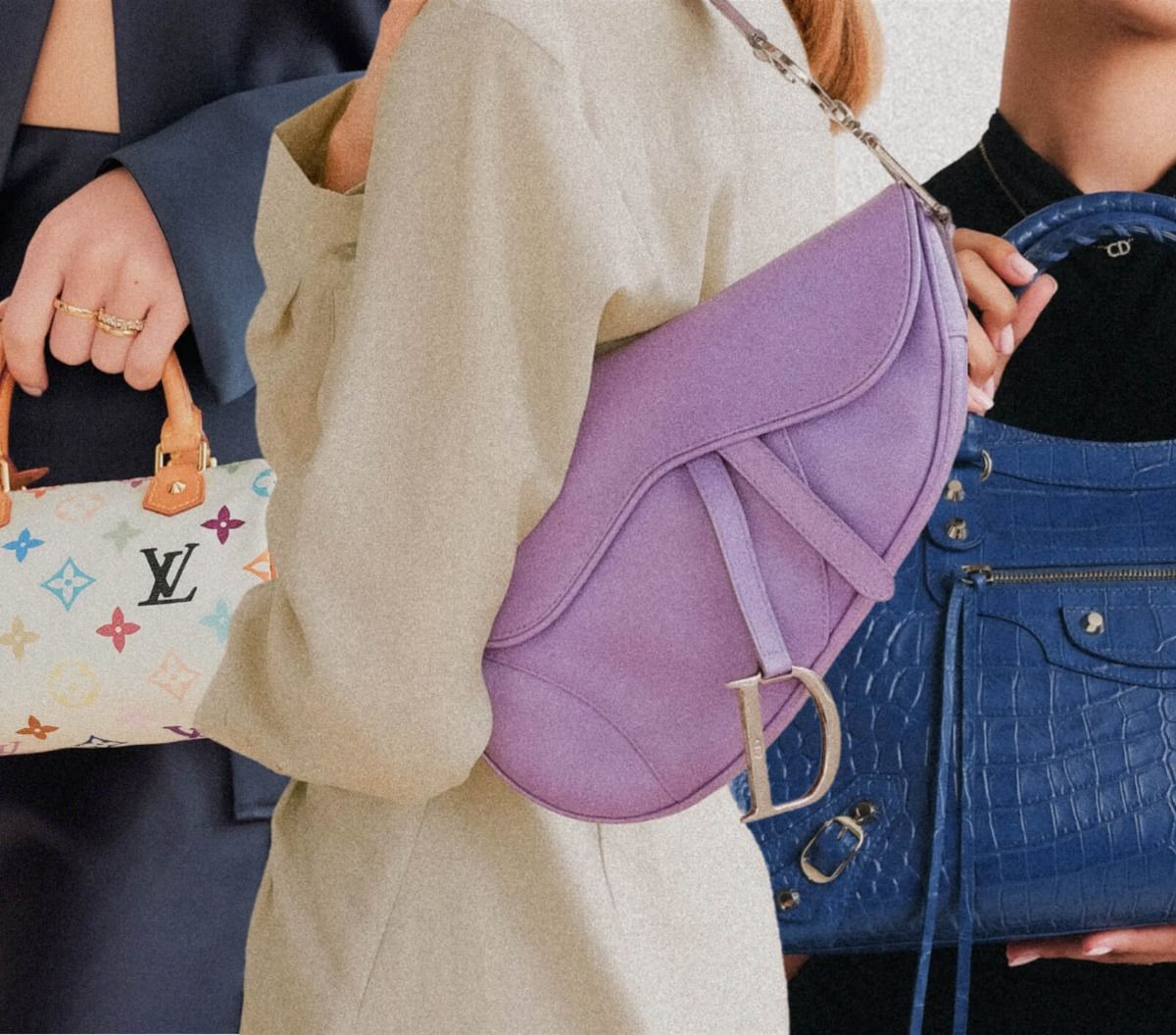
Buying a pre-owned luxury handbag online raises a legitimate concern: can the seller actually be trusted? For anyone asking if Fashionphile is legit, the answer depends on understanding how their authentication works, how their pricing holds up, and what real buyers have experienced across brands like Louis Vuitton, Chanel, and Gucci.
Fashionphile is not the only platform worth considering for authenticated luxury resale. Shoppers who want a carefully verified alternative can explore second hand designer options through Pick Up Point, where pre-owned pieces are sourced with the same standard of trust serious buyers expect.
Table of Contents
What Is Fashionphile, and What Does It Offer?
Is Fashionphile Legit?
How Can You Tell if a Secondhand Luxury Seller Is Trustworthy?
10 Best Alternatives to Fashionphile for Authenticated Luxury Shopping
How to Choose a Trusted Luxury Resale Platform
Why PICKUPPOINT Is a Trusted Choice for Authenticated Luxury Fashion
Get your Next Luxury Purchase from PICKUPPOINT
Summary
The global secondhand luxury market currently sits at approximately $210 billion and is projected to reach $360 billion by 2030, according to CNBC. That scale of growth attracts both serious operators and sophisticated fraudsters simultaneously. When a market expands that quickly, authentication standards and buyer protections rarely keep pace with the volume of new listings, which means buyers who treat a busy, growing market as evidence of safety have the risk equation reversed.
Up to 40% of luxury goods sold online are estimated to be counterfeit according to luxury resale authentication statistics from Best Colorful Socks. This figure reflects how effectively high-volume, anonymous selling environments obscure the difference between genuine and fake goods. Buyers relying on visual cues alone face a harder challenge than most realize, because superfake production now operates with the same operational discipline as legitimate businesses.
Over 70% of luxury resale buyers identify authentication as the most important factor in their purchase decision, yet most platforms place the verification burden on the buyer rather than the seller. Cross-referencing sold listings across at least three independent sources, requesting close-up photographs of hardware engravings and interior stamps, and confirming a seller's registered business identity are practical steps that most buyers skip entirely until something goes wrong.
Payment method is one of the most underestimated variables in secondhand luxury transactions. Sellers who push wire transfers, cryptocurrency, or gift cards remove the chargeback rights that credit card purchases and platform-mediated payments preserve. A return window of at least seven to fourteen days is equally important because it provides enough time to submit items to an independent authentication service before recourse expires.
Pricing signals that most buyers read as opportunity are frequently the opposite. Genuine pre-owned luxury depreciates within a predictable range tied to condition, age, and market demand. Items listed at 40 to 70 percent below verified sold comparables for the same model and year do not reflect a fortunate find. That discount typically reflects a risk already priced in by a seller who understands exactly what they are offering.
Physical accountability separates platforms built for longevity from those built for volume. Sellers operating without a registered business name, fixed address, or published contact details are structurally positioned to disappear after a disputed transaction. European customs authorities seized 112 million counterfeit items valued at 3.8 billion euros in 2024, a significant share of which moved through anonymous online channels with no traceable business identity behind them.
PICKUPPOINT's second hand designer platform addresses the anonymity problem directly by sourcing exclusively through a closed network of sellers with whom the founders hold multi-year personal relationships, and by operating from a physical studio in Macau where clients can book appointments to examine pieces in person before committing.
What Is Fashionphile, and What Does It Offer?
Fashionphile is a managed luxury resale platform that authenticates, examines, and grades every item before sale. Unlike peer-to-peer marketplaces , it acts as a professional intermediary for buyers and sellers, eliminating the uncertainty inherent in secondhand luxury purchases .
💡 What Makes It Different: Fashionphile authenticates , grades, and guarantees every piece before it reaches a buyer.
"Unlike peer-to-peer marketplaces, Fashionphile acts as a professional intermediary, removing the uncertainty that defines most secondhand luxury transactions." — Fashionphile Platform Model

Founded in 1999 , Fashionphile has operated for over 25 years with authentication standards refined across hundreds of thousands of transactions. Brand-specific experts verify stitching , hardware , date codes , and serial numbers — the exact details that separate a genuine piece from a counterfeit. Every authenticated piece ships with a digital Certificate of Authenticity backed by a lifetime guarantee — if an item proves inauthentic, you get a full refund .
Authentication Check | What Experts Examine |
|---|---|
Stitching | Thread count, pattern consistency, and tension |
Hardware | Weight, finish, engravings, and logo placement |
Date Codes | Format accuracy tied to brand and production year |
Serial Numbers | Verified against brand-specific records |
⚠️ Why This Matters: Most luxury counterfeits look convincing at first glance — it's the micro-details like date codes and hardware weight that reveal the truth. Fashionphile's brand-specific experts are trained to catch exactly these.
✅ Best Practice: Always look for the digital Certificate of Authenticity and confirm the lifetime guarantee is attached before completing any purchase on the platform.
What does the selling side look like?
Sellers can choose between two ways to sell: a direct buyout for fast cash after authentication, or consignment for higher payouts. Consignment takes longer, but the platform retains 30 percent on items up to $3,000 and only 15 percent on amounts above that. For a $6,000 bag, this difference is significant. Sellers can track each stage through a dedicated account, from intake to final payout, which typically arrives within two to ten weeks after the buyer return window closes.
What does the buying experience actually offer shoppers?
The buying experience is carefully curated rather than comprehensive. Eighty-one percent of inventory consists of unique pieces, meaning no two identical combinations of textile, size, and hardware. Shoppers regularly find items priced more than 15 percent below original retail, with a 15-day return window on eligible purchases.
The same pattern appears across platforms that shoppers trust most: they combine careful checking with transparent pricing and clear options if something goes wrong. For shoppers seeking that assurance across a wider range of pre-owned designer pieces, second hand designer platforms like Pick Up Point apply a similar philosophy, connecting buyers with carefully verified luxury goods while anchoring the experience in values that transcend the transaction itself.
Is Fashionphile legit as a physical retail presence too?
Fashionphile is opening two permanent stores in California, signaling that physical presence still matters when trust is the product. In-person flagship locations in New York, Los Angeles, and Carlsbad allow customers to examine inventory directly, drop off pieces for authentication appointments, and pick up online orders. As a Certified B Corporation with an impact score of 83.2, the company frames its work as extending the usable life of well-made things rather than feeding overconsumption.
Is Fashionphile Legit?
Fashionphile is a real resale platform with a proven history you can verify. Trustpilot's almost 5,000 reviews average an impressive 4.5 out of 5 stars, Sitejabber's over 10,000 reviews average 4.7, and the Better Business Bureau gives an A- accreditation with a 4.77 customer score — making it one of the most trusted names in luxury resale.
"With over 10,000 reviews averaging 4.7 stars on Sitejabber and a BBB A- accreditation, Fashionphile's reputation is consistently backed by verified customer data."
✅ Best Practice: Always cross-reference multiple review platforms — Fashionphile's strong scores across Trustpilot, Sitejabber, and the BBB signal a genuinely trustworthy platform.
Review Platform | Number of Reviews | Average Score |
|---|---|---|
Trustpilot | ~5,000 reviews | 4.5 / 5 stars |
Sitejabber | 10,000+ reviews | 4.7 / 5 stars |
Better Business Bureau | A- Accreditation | 4.77 customer score |
🎯 Key Point: A 4.77 BBB customer score combined with thousands of verified reviews across multiple independent platforms is a strong indicator of legitimacy and reliability.
💡 Tip: When evaluating any resale platform, look for BBB accreditation alongside third-party review scores — Fashionphile checks all the boxes.
What do buyer ratings actually reveal about Fashionphile's legitimacy?
The same pattern shows up across Trustpilot, Sitejabber, and Reddit threads: buyers report items arriving in better condition than the listing suggested, with packaging that matches the price point. Complaints focus on shipping timelines or refund processing speed, not fake goods. A platform with an authenticity problem would show a different complaint profile.
How does the authenticity guarantee hold up under scrutiny?
The lifetime authenticity guarantee demonstrates the company's confidence in its products. Fashionphile's brand-specific inspection examines hardware, stitching, date codes, and textile construction before listing items. A digital certificate tied to each piece via QR code provides verification after purchase, a feature most resale platforms omit. In documented authenticity disputes, the company has honored full refunds as promised.
Why does platform trust matter more than price for luxury resale?
Most shoppers judge resale platforms on price and convenience—until they hold a $3,000 bag with a 15-day return window closing. Platforms like second hand designer connect sustainability-conscious buyers to verified secondhand luxury, recognizing that meaningful purchases matter. Our Pick Up Point platform ensures every transaction is secure and trustworthy.
Where the experience gets uneven
The main complaints involve condition discrepancies between listings and physical items, plus slow customer service during disputes. BBB records show several hundred complaints over three years against tens of thousands of completed transactions. The core issue is that "good" condition means different things to sellers, authenticators, and buyers, creating friction.
What should buyers know about Fashionphile's return policy before purchasing?
The 15-day return window with a $14.99 prepaid label applies to US buyers, while international customers pay full shipping costs. Buyers needing stronger guarantees, more return options, or faster problem resolution should compare policies across platforms before purchasing. But knowing ratings and policies only gets you so far. The harder question is one most buyers never ask.
Related Reading
How Can You Tell if a Secondhand Luxury Seller Is Trustworthy?
Trustworthy secondhand luxury sellers have a registered business identity, written authentication processes with enforceable refund terms, and payment structures that protect buyers if problems arise. Missing any of these signals risks when something goes wrong.
What the market's growth reveals about risk
The secondhand luxury space is expanding fast. According to CNBC , the global resale market is worth about $210 billion and is expected to reach $360 billion by 2030. This growth attracts legitimate operators and fraudsters alike. Authentication standards, dispute mechanisms, and seller accountability lag behind rapid market expansion. Buyers who equate a crowded, booming market with safety have it backward.
Why is business registration a baseline check when buying resale luxury?
The failure point is usually invisibility. Sellers operating without a registered business name, fixed address, or published contact details are set up to disappear. Search the Better Business Bureau or your country's business registry before any high-value purchase. A legitimate operator welcomes scrutiny because their business depends on repeat buyers, not one-time transactions. European customs authorities seized 112 million counterfeit items valued at €3.8 billion in 2024, with a significant share moving through anonymous online channels with no traceable business identity.
Does scanning reviews and prices tell you if Fashionphile is legit?
Looking at reviews and comparing prices works for smaller purchases but not larger ones. Counterfeiters now invest in fake review farms and counterfeit products with the same care that legitimate businesses apply to their operations. Platforms like second hand designer connect buyers to carefully curated pre-owned designer pieces through a system built around thoughtful, responsible shopping rather than maximizing sales volume.
How payment method determines your actual protection
Sellers who push wire transfers, cryptocurrency, or gift cards remove your only practical safety net. Credit card purchases and platform-mediated payments create chargeback rights when items arrive misrepresented. A return window of at least seven to fourteen days matters because it gives you time to submit photos to an independent authentication service before your recourse expires. Sellers who resist close-up photographs of hardware engravings, interior stamps, or date codes signal doubt about what they're selling.
The price signal most buyers misread
When a Chanel classic flap or a Birkin appears at half the current secondary-market price, the instinct is excitement. The correct instinct is suspicion. Genuine pre-owned luxury loses value within a predictable range tied to condition, age, and market demand. Prices that fall 40 to 70 percent below verified sold listings for the same model and year don't reflect a lucky find—they reflect a risk already priced in by someone who knows exactly what they're selling.
Cross-reference recent sold listings across at least three independent sources before accepting any seller's framing of a "rare deal." Once you know what separates a trustworthy seller from a convincing imitation, the next question becomes harder and more personal than most buyers expect.
Related Reading
10 Best Alternatives to Fashionphile for Authenticated Luxury Shopping
Shopping for used luxury items requires a trusted platform with reliable authentication, clear condition reports, competitive pricing, and a good shopping experience. Here are the best alternatives to Fashionphile worth considering.
"Reliable authentication, transparent condition reporting, and competitive pricing are the three non-negotiable pillars of any trusted pre-owned luxury platform." — ResearchGate, Authentication of Luxury Products
🔑 Takeaway: Not all resale platforms are created equal. The right alternative to Fashionphile must deliver verified authenticity, honest grading, and a seamless buyer experience to justify your investment.
💡 Tip: Before committing to any platform, check their authentication process, return policy, and seller reputation. These three factors are the strongest predictors of a safe and satisfying luxury purchase.

1. Pickuppoint
Pick Up Point is a second-hand shopping website focused on recycling fashion with an authenticity guarantee for pre-owned items. It offers a curated selection of luxury handbags from designer brands with clear percentage-based condition ratings (95% new, 90% new, 85% new). The platform supports global shipping, provides currency options in MOP or USD, and includes a 10% first-purchase discount using code PUPFIRST.
Key features
Clear authenticity guarantee: This upfront commitment gives buyers immediate confidence in legitimacy without requiring them to search through separate policy pages.
Percentage-based condition grading system: Items are rated with specific percentages such as 95新 (95% new), 90新 (90% new), or 85新 (85% new). This standardized system provides precise expectations about wear and quality, helping buyers avoid surprises upon delivery.
Extensive selection of luxury brands: The platform carries pre-owned bags from Hermès, Chanel, Louis Vuitton, Gucci, Céline, Dior, Valentino, Givenchy, Miu Miu, Saint Laurent, Prada, Fendi, Burberry, Bottega Veneta, Chloé, Loewe, and many others, increasing the likelihood of finding specific or rare models.
Global shipping: Our platform explicitly supports worldwide shipping, making pre-owned luxury bags accessible to international buyers without geographic restrictions.
First-purchase 10% discount with code PUPFIRST: new buyers receive 10% off their initial order, lowering entry costs for trying verified pre-owned luxury pieces.
Dual currency support (MOP and USD): shoppers can view and transact in either currency, reducing friction for buyers in different regions.
Organized categories for targeted browsing: products are clearly categorized, allowing efficient searches for specific types of pre-owned luxury handbags.
Emphasis on recycling and second-hand fashion: Our platform positions itself around circular-economy benefits of pre-owned luxury bags, appealing to sustainability-conscious buyers.
Pros
Strong, upfront authenticity guarantees build immediate buyer trust.
Precise percentage-based condition ratings offer superior transparency on item quality.
Broad brand selection and clear categorization improve discovery of desired luxury bags.
Global shipping and dual-currency options enhance accessibility for international shoppers.
First-purchase discount provides tangible savings and encourages platform adoption.
Focus on recycling adds a sustainability angle to pre-owned purchases.
Cons
Pricing and examples are shown primarily in MOP, which may require conversion for international users.
Accessibility
Pick Up Point is accessible entirely through its official website at https://pickuppoint.mo/, with global shipping options supporting purchases from most locations. Buyers can browse categories, view condition-rated items, select currency (MOP or USD), and apply the PUPFIRST discount code directly on the site. With no physical retail locations or mobile app, it operates as a web-based platform optimized for online discovery and international delivery of pre-owned luxury bags.
2. The RealReal
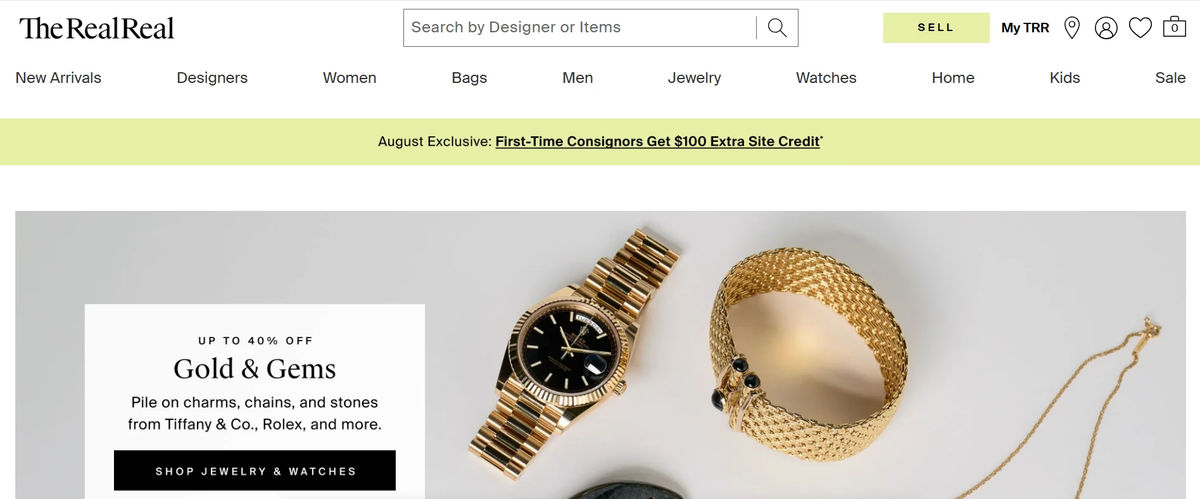
The RealReal is a leading authenticated pre-owned luxury consignment platform combining online shopping with physical retail locations. In-house authentication experts inspect every item, and detailed condition reporting with high-resolution photography builds buyer confidence. The platform features Hermès, Chanel, Louis Vuitton, Gucci, and other luxury brands with transparent pricing, frequent sales, and a mobile app for convenient browsing and purchasing.
Pros
Rigorous in-house authentication and detailed condition reports eliminate doubts about legitimacy and hidden flaws.
Online platforms and physical stores in major U.S. cities offer flexible ways to inspect bags before purchasing.
Wide selection and regular promotions deliver strong value, while a proven track record builds trust for repeat purchases.
User-friendly app and interface streamline the buying process.
Cons
Primarily U.S.-focused physical presence limits in-person access for international buyers.
Consignment models can result in variable inventory turnover for sought-after pieces.
Pricing may be higher than peer-to-peer marketplaces for comparable items, despite competitive sales.
3. Rebag
Rebag specializes in carefully checked pre-owned luxury handbags, watches, and accessories with clear pricing and quality assurance. It provides authenticated designer pieces with clear condition assessments and reliable service standards.
Features
Expert vetting and authentication process for every pre-owned luxury bag.
Clear condition descriptions paired with professional photography to set accurate expectations.
Curated selection of iconic brands such as Chanel, Hermes, Louis Vuitton, and Gucci.
Pricing transparency tools that help buyers compare value against retail or market rates.
Options for both online shopping and select physical retail partnerships (e.g., Bloomingdale's locations).
Emphasis on quality control to minimize issues with authenticity or condition upon arrival.
Support for international considerations through shipping and platform accessibility.
Pros
Strong checking and transparent condition reporting reduce risks of mismatched items.
Pricing clarity helps buyers secure fair deals without hidden surprises.
Physical retail touchpoints in partner stores enable in-person viewing.
Streamlined platform supports quick browsing and confident purchasing.
Specialization in bags and accessories makes targeted luxury handbag searches efficient.
Cons
Selection may emphasize popular or current models over rare vintage pieces.
Pricing reflects premium positioning compared to broader marketplaces.
Physical locations limited to select U.S. partnerships rather than standalone stores.
4. Vestiaire Collective
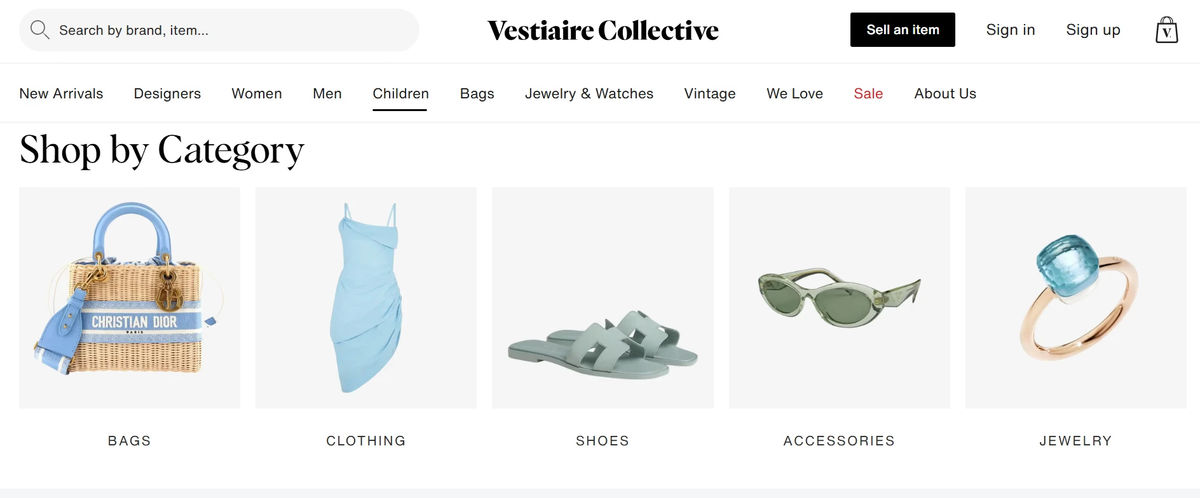
Vestiaire Collective operates as a global authenticated marketplace for pre-owned luxury fashion, with a strong emphasis on handbags and accessories from leading designers. It connects buyers with verified sellers worldwide while maintaining quality standards that support confident online purchases of pre-loved luxury items.
Features
Authentication process applied to listed pre-owned luxury bags for buyer protection.
Detailed seller-provided descriptions and photos, often supplemented by platform standards.
Vast international selection including Hermes, Chanel, Louis Vuitton, Gucci, and emerging designers.
Community-driven marketplace model with options for both fixed-price and negotiation-style buying.
Global shipping network that facilitates purchases across borders.
Focus on sustainability and circular fashion through pre-owned luxury offerings.
Tools for filtering by brand, condition, price, and style to refine searches efficiently.
Pros
Authentication and platform standards help address authenticity concerns common in pre-owned luxury buying.
Extensive global inventory increases chances of finding specific or hard-to-locate bag models.
International shipping and community aspects provide broader access and potentially competitive pricing.
Filtering and discovery tools make it easier to locate well-described items matching buyer criteria.
Emphasis on pre-owned luxury supports value-driven purchases with environmental considerations.
Cons
Peer-to-peer elements can lead to variability in seller responsiveness or exact item presentation.
Authentication standards, while present, may differ slightly from fully in-house expert models on some items.
Shipping times and costs vary by seller location and can add complexity for urgent needs.
5. Yoogi's Closet
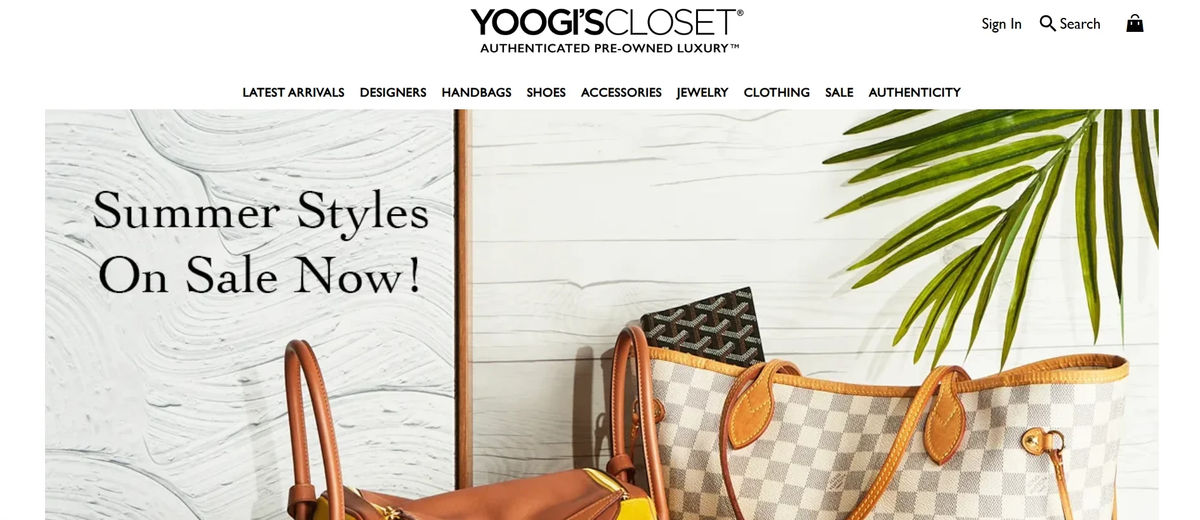
Yoogi's Closet focuses on authenticated pre-owned luxury handbags, watches, and accessories with an emphasis on quality verification and buyer-friendly processes. It serves as a specialized destination for those reliable pre-loved designer pieces with attention to detail in presentation and service.
Features
Dedicated authentication emphasis to verify pre-owned luxury bags before listing.
Thorough condition assessments and supporting imagery for transparent buyer information.
Targeted inventory of luxury handbag brands including Chanel, Hermes, Louis Vuitton, and Gucci.
Streamlined online shopping experience optimized for discovering specific styles and models.
Commitment to quality control that supports consistent standards across listings.
Options for secure purchasing with attention to packaging and delivery reliability.
Platform design that highlights both popular and select harder-to-find pre-owned items.
Pros
Authentication focus and detailed condition information help prevent issues with misrepresented items.
Specialized handbag and accessory focus makes searching for particular luxury models more efficient.
Quality-oriented approach contributes to higher buyer confidence in the pre-owned luxury segment.
User-friendly site supports easy navigation and informed decision-making on high-value purchases.
Attention to presentation and service details addresses common frustrations with inconsistent online luxury experiences.
Cons
Inventory size may be more curated than massive general marketplaces, potentially limiting ultra-rare finds at times.
Pricing tends to reflect authenticated luxury positioning rather than the lowest possible peer-to-peer rates.
Primarily online model with limited or no widespread physical retail locations for in-person inspection.
6. What Goes Around Comes Around
What Goes Around Comes Around (WGACA) is a premier destination for authenticated pre-owned luxury fashion, with a notable emphasis on handbags and accessories from iconic designers. It blends online accessibility with physical retail experiences, offering buyers carefully curated, verified pieces that emphasize quality and heritage in the secondary luxury market .
Features
Professional authentication for all pre-owned luxury bags listed on the platform.
Detailed condition assessments accompanied by professional photography and descriptions.
Strong selection of heritage brands including Chanel, Hermes, Louis Vuitton, and Gucci.
Availability through both online shopping and physical boutique locations for in-person evaluation.
Emphasis on vintage and rare pieces alongside contemporary luxury handbags.
Secure packaging and shipping protocols designed for high-value items.
A platform that highlights provenance and story behind select pre-owned bags.
Pros
Physical stores allow buyers to inspect bags in person, reducing risks associated with online-only condition surprises.
Rigorous authentication and heritage focus provide confidence in legitimacy and quality for investment-level pieces.
Curated selection helps locate specific or vintage models that address gaps in availability elsewhere.
Professional presentation and packaging minimize shipping-related damage or disappointment.
Blend of online and offline options supports flexible buying experiences tailored to buyer preferences.
Cons
Pricing can reflect the premium positioning and physical retail overhead, sometimes higher than pure online alternatives.
Inventory may lean toward curated or higher-end pieces, limiting options for more budget-conscious luxury buyers.
Availability of in-person locations is concentrated in select cities, primarily benefiting U.S. or travel-ready shoppers.
7. ReKlaim
ReKlaim positions itself as a technology-driven marketplace dedicated to authenticated pre-owned luxury handbags and accessories. It appeals to buyers seeking modern, conscious luxury shopping with emphasis on verification technology, transparent processes, and a curated approach to pre-loved designer items.
Features
Advanced technology-supported authentication for pre-owned luxury bags.
Clear condition transparency through detailed listings and visuals.
Focused inventory of designer handbags from major luxury houses like Chanel, Hermes, and Louis Vuitton.
Emphasis on conscious luxury and sustainability in the resale model.
Streamlined online platform optimized for discovery and purchasing.
Secure transaction and shipping practices for valuable items.
Tools or features that highlight value and provenance in listings.
Pros
Technology-enhanced authentication addresses longstanding concerns about counterfeit risks in pre-owned luxury.
Curated and transparent listings help buyers avoid condition mismatches and make informed choices.
Sustainability focus adds appeal for buyers who value circular fashion alongside quality pieces.
Modern platform design supports efficient searching for specific bag models or styles.
Conscious luxury positioning differentiates it for buyers prioritizing ethical resale practices.
Cons
As a more specialized or emerging platform, inventory depth for ultra-rare pieces may not match larger established sites.
Technology focus might appeal more to digitally native buyers, with less emphasis on widespread physical retail.
Newer positioning could mean fewer user reviews or long-term track records compared to veterans in the space.
8. 1stDibs
1stDibs functions as a high-end online marketplace for luxury pre-owned and vintage items, including an impressive collection of designer handbags and accessories. It caters to buyers seeking unique, authenticated pieces with a focus on quality, provenance, and the prestige of exceptional secondary market finds.
Features
Dealer-vetted and authenticated pre-owned luxury handbags from reputable sellers.
In-depth item descriptions, history, and high-quality imagery for thorough evaluation.
Selection spanning rare vintage and contemporary luxury brands such as Hermes, Chanel, and Louis Vuitton.
Platform tools for searching by designer, era, condition, or specific attributes.
Secure purchasing with attention to luxury packaging and delivery standards.
Emphasis on provenance and authenticity documentation for higher-value pieces.
Global reach with shipping options suitable for international collectors.
Pros
Strong provenance and detailed descriptions help resolve uncertainties around item history and condition.
Curated high-end selection excels for finding rare or investment-grade luxury bags.
Dealer vetting and platform standards provide layers of trust in authentication.
Advanced search capabilities make locating specific models or styles straightforward.
Prestige-oriented marketplace supports confident purchases of exceptional pre-owned pieces.
Cons
Pricing often reflects the premium, collector-focused inventory, which may exceed budgets for entry-level luxury.
Marketplace model can introduce variability depending on individual dealers or sellers.
Focus on higher-end or vintage items may limit options for more everyday or current-season designer bags.
9. Poshmark
Poshmark provides a social, peer-to-peer marketplace where buyers can discover and purchase pre-owned luxury handbags alongside a wide range of fashion items. Its community-driven model emphasizes social discovery, negotiation, and access to diverse listings from individual sellers, often with authentication options for higher-value pieces.
Features
Social shopping experience with live shows and community interactions for luxury bag discovery.
Listings frequently include seller-provided authentication details or receipts for pre-owned luxury items.
Vast user-generated inventory covering brands like Chanel, Louis Vuitton, Gucci, and Hermes.
Built-in tools for offers, negotiations, and direct seller communication.
Shipping protections and tracking through the platform's system.
Mobile app that supports on-the-go browsing, purchasing, and social engagement.
Filtering options by brand, price, condition, and seller ratings.
Pros
Social and negotiation features can lead to better deals and direct communication for specific bag requests.
Large community inventory increases chances of finding unique or hard-to-locate pre-owned models.
App and live elements make the shopping experience engaging and convenient for modern buyers.
Seller ratings and platform protections help build trust around condition and authenticity claims.
Flexible pricing through offers addresses value concerns in pre-owned luxury purchases.
Cons
The peer-to-peer nature introduces more variability in authentication consistency and condition accuracy than fully curated platforms.
Reliance on individual sellers can lead to longer response times or shipping variations.
Higher volume of listings requires more buyer diligence to filter for verified luxury items.
10. eBay
eBay's Authenticated Luxury program offers buyers a dedicated pathway to verified pre-owned designer handbags through partnered authentication services. It combines the platform's vast marketplace reach with added safeguards for high-value luxury items, making it suitable for those seeking broad selection and competitive pricing.
Features
Authentication through eBay's partnered program for eligible pre-owned luxury bags.
Detailed seller listings with photos, condition notes, and authenticity documentation.
Massive selection spanning thousands of listings for brands like Louis Vuitton, Chanel, Hermes, and more.
Buyer protection programs and payment security for luxury transactions.
Advanced search filters by brand, model, condition, price, and seller metrics.
Global shipping options through eBay's international network.
Integration of reviews, seller ratings, and dispute resolution tools.
Pros
Authenticated program adds verification layers that mitigate counterfeit risks on a large marketplace.
Enormous inventory volume improves odds of finding specific or rare bag models at competitive prices.
Buyer protections and dispute tools provide recourse for condition or authenticity issues.
Flexible searching and global reach support targeted international purchases.
Established platform infrastructure ensures reliable payment and tracking for luxury buys.
Cons
Even with authentication, the broader marketplace can include non-authenticated listings that require careful filtering.
Variable seller quality means buyers must review ratings and details diligently.
Shipping and handling can vary significantly depending on the individual seller.
How to Choose a Trusted Luxury Resale Platform
Buying used luxury items should feel exciting , not stressful. Look at the platform itself as carefully as the item you're buying. The right resale platform protects your investment with strong authentication , clear listings , fair policies , and responsive customer support .
"The right resale platform protects your investment with strong authentication, clear listings, fair policies, and responsive customer support." — Luxury Resale Best Practices
🎯 Key Point: Not all resale platforms are created equal — the platform you choose is just as important as the item you're purchasing.
⚠️ Warning: Skipping platform vetting is one of the most common mistakes luxury buyers make. Always evaluate authentication processes, return policies, and seller transparency before committing.
What to Evaluate | Why It Matters |
|---|---|
Authentication Process | Ensures the item is genuinely luxury, not counterfeit |
Listing Clarity | Accurate photos and descriptions protect your purchase decision |
Return & Refund Policy | Gives you a safety net if the item doesn't match expectations |
Customer Support | Responsive teams resolve disputes quickly and fairly |
✅ Best Practice: Before purchasing, always verify that the platform offers end-to-end buyer protection — from listing to delivery.
Confirm Expert Authentication Happens Before Listing
A reliable platform checks every item through trained specialists or a documented mix of human experts and technology before it appears for sale. Ask for specifics: who performs the checks, what details they examine (hardware weight, stitching density, date codes, material composition), and whether the platform itself is the seller of record. Platforms that rely only on seller self-declarations or optional post-sale reviews shift the full risk onto the buyer. The OECD and EUIPO estimated global trade in counterfeit goods at $467 billion in 2021, or 2.3 percent of world trade, with clothing, footwear, and leather accessories among the most affected categories.
Examine the Return Window and Authenticity Guarantee
Look for a written policy that gives you at least 14 days to inspect the item after it arrives and return it for a full refund if authenticity or condition doesn't match the listing. The strongest policies cover authenticity for the life of the purchase and specify how disputes get resolved. Vague language or "all sales final" rules on high-value goods eliminate practical protection. European authorities seized 112 million counterfeit items valued at €3.8 billion in 2024, demonstrating that sophisticated fakes continue circulating and post-purchase recourse remains essential.
Verify Business Registration and Physical Presence
Search public records, the Better Business Bureau database, and state business registries for a registered company name, physical address, and ownership details matching the website. Platforms with no verifiable footprint or only a post office box carry higher disappearance risk. The Federal Trade Commission advises researching sellers outside the platform and avoiding operations that pressure unusual payment methods or hide contact information.
Review Independent Feedback for Patterns, Not Star Averages
Read recent reviews on third-party sites for repeated themes about condition accuracy, shipping reliability, and dispute handling. Generic five-star comments posted close together often signal manipulation. Focus on detailed accounts of how the platform responded to problems. Entrupy's 2026 State of the Fake report found that 8.1 percent of luxury items submitted for authentication could not be verified as authentic, highlighting why buyer experiences with verification outcomes matter more than surface ratings.
Assess Condition Grading and Photo Standards
Trusted platforms publish standardized condition grades with clear definitions and show multiple high-resolution images of the actual item, including close-ups of wear, hardware, interior stamps, and flaws. Stock photos, filtered images, or vague descriptions like "excellent condition" prevent buyers from evaluating risk. Detailed visual and written disclosures reduce disputes and demonstrate platform commitment to accurate representation.
Confirm Secure Payment Options and Buyer Protections
Use only platforms that accept credit cards or established payment processors offering chargeback rights. Avoid wire transfers, gift cards, cryptocurrency, or direct transfers to personal accounts. Secure checkout with HTTPS encryption and published privacy policies limit your risk. The FTC emphasizes that safer payment methods provide consumers legal protections when goods arrive misrepresented or fail to arrive.
Cross-Check Pricing Against Current Market Values
Look at recent sold prices for the exact model, year, and condition on multiple independent sources. Prices significantly lower than the established secondary-market range suggest counterfeit or misrepresented goods. Platforms that explain discounts through documented condition or provenance offer greater transparency than those advertising "rare deals." Consistent market-aligned pricing signals genuine inventory rather than inflated claims.
Why PICKUPPOINT Is a Trusted Choice for Authenticated Luxury Fashion
PICKUPPOINT earns trust through structural choices made before listing a single item. Every piece passes through hands that know what authentic luxury actually feels like — not just what it looks like in a photograph.
"Trust in authenticated luxury isn't built at the point of sale — it's built before a single item is ever listed." — PICKUPPOINT Authentication Standard
🔑 Takeaway: Authentication at PICKUPPOINT is a process, not a checkbox — every item is evaluated by experts who understand genuine luxury craftsmanship at a tactile, hands-on level.
💡 Why It Matters: In a market flooded with high-quality counterfeits, the difference between a trusted reseller and a risky one comes down to exactly this — structural authentication choices made before anything reaches the buyer.
Trust Factor | PICKUPPOINT Approach |
|---|---|
Authentication Method | Hands-on expert evaluation |
Listing Standard | Verified before going live |
Expertise Basis | Tactile knowledge, not just visual |
Buyer Confidence | Built into the process, not promised after |
How does a closed seller network reduce the risk of counterfeits?
The failure point in most resale environments is anonymity. Open marketplaces allow anyone to list anything, which is why, according to Best Colorful Socks' Luxury Resale Authentication Statistics, up to 40% of luxury goods sold online are estimated to be counterfeit. Pick Up Point removes this variable by sourcing exclusively from a closed network of sellers with whom founders Kathryn and Rainbow maintain multi-year personal and professional relationships. When the supply chain is narrow and known, authentication becomes self-evident.
Most buyers approach secondhand luxury with vigilance but lack institutional knowledge to support it. That burden falls on them alone across resale platforms and peer-to-peer apps. Pick Up Point shifts that burden to the platform, where Kathryn and Rainbow's luxury retail backgrounds ensure our inspection process reflects genuine category expertise, not a checklist assembled from YouTube tutorials.
How does a physical studio create accountability that digital platforms cannot?
The physical studio in Macau (澳門瘋堂中斜巷11號喜利大廈地下L1座) creates accountability that purely digital operations cannot. Clients can book appointments to view and try pieces in person, while remote shoppers benefit from the same founder-led standards: orders ship within seven days with support accessible through email, WeChat, and social channels.
For buyers who care about more than authentication, second hand designer platforms like Pick Up Point offer something the broader resale market rarely delivers: a purchase with meaning beyond the transaction. Pieces that might otherwise be discarded re-enter circulation through verified channels, supporting reuse without requiring buyers to sacrifice confidence.
Why does founder-led authentication matter more than a third-party badge?
Best Colorful Socks' Luxury Resale Authentication Statistics report that over 70% of luxury resale buyers prioritize authentication in their purchase decision. Pick Up Point's approach differs from third-party badges or scaled digital certificates. Instead, a founder personally knows the seller, inspects the item, and stands behind each listing. This short chain of accountability carries genuine weight.
Get your Next Luxury Purchase from PICKUPPOINT
Buying luxury items that have been authenticated and resold is a purposeful choice. It means keeping great pieces in use, creating less waste, and selecting fashion that matters for reasons beyond cost. Real confidence comes from ensuring what you buy matches what you believe in — because intentional shopping is about values as much as value.
"The most meaningful luxury purchase is one that aligns with your conscience — authenticated, purposeful, and built to last." — The Philosophy of Conscious Fashion
🎯 Key Point: Choosing authenticated resale luxury isn't a compromise — it's a smarter, more intentional way to shop for pieces that carry real meaning.
💡 Tip: Before your next designer purchase, ask yourself: does this item reflect both your personal style and your values? If yes, you've found something worth keeping.
If that sounds right to you, second hand designer is absolutely worth checking out. Pick Up Point's carefully chosen inventory, founder-handled authentication, a physical studio in Macau, and consignment services are all there for shoppers who want their next designer piece to come with a clear conscience. Browse the full collection at https://pickuppoint.mo/ and find something truly worth keeping.
Pick Up Point Feature | What It Means for You |
|---|---|
Founder-authenticated pieces | Every item verified for genuine luxury quality |
Physical studio in Macau | See and touch pieces before you commit |
Curated inventory | Only the best selections make it to the floor |
Consignment services | Sell your pieces and fund your next find |
✅ Best Practice: Shop with a trusted, founder-authenticated reseller like Pick Up Point to ensure every purchase comes with complete peace of mind and a clear provenance .
🔑 Takeaway: Pick Up Point combines rigorous authentication , a personal touch, and a curated luxury experience — making it the ideal destination for your next conscious designer purchase .