


15 Best Designer Bags to Invest In That Hold Value
Find the best designer bag to invest in with Pick Up Point's top 15 picks that hold value and resell well.
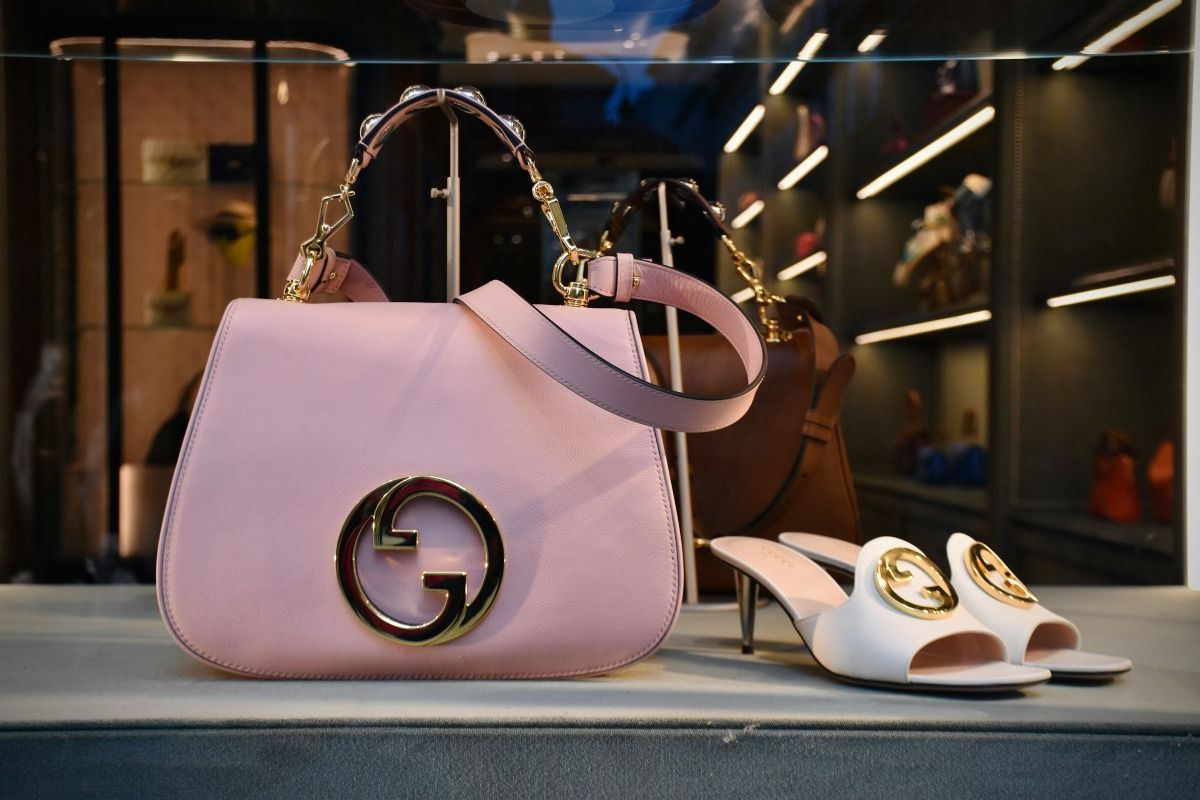
Not every designer bag holds its value, but a handful consistently appreciate or retain worth across resale markets. Knowing which styles to prioritize, whether a Chanel Classic Flap, a Hermès Birkin, or a Louis Vuitton Neverfull, helps buyers avoid costly mistakes and build a collection that performs over time.
Luxury consignment has made it easier than ever to access these high-performing pieces without paying retail premiums. Shoppers who want iconic styles at prices that make sense can explore a curated selection of second hand designer bags through Pick Up Point.
Table of Contents
What Makes a Designer Bag a Good Investment?
Why Do Some Designer Bags Hold Their Value Better Than Others?
Which Factors Affect a Designer Bag's Resale Value?
15 Best Designer Bags to Invest In That Hold Value
How to Choose the Best Designer Bag to Invest In
How PICKUPPOINT Helps You Invest in Authentic Designer Bags
Get Your Next Luxury Purchase from PICKUPPOINT
Summary
Hermès Birkin bags have delivered average annual returns of around 14% over the past 35 years, according to CNBC, outpacing many traditional investment categories over the same period. That performance traces directly to Hermès restricting production, maintaining strict quality standards, and refusing to discount, three decisions that keep collector demand permanently ahead of supply.
Most designer handbags lose between 20% and 70% of their value after purchase, according to CNBC, which means the category is far from uniformly strong. The gap between investment-grade pieces and everything else comes down to brand prestige, controlled production, construction quality, and a silhouette clean enough to resist dating itself. Strip out any one of those qualities, and the bag becomes an expensive accessory rather than an appreciating asset.
Retail price increases from luxury houses reshape the secondary market in ways most buyers underestimate. Chanel has raised its bag prices by over 70% in the past five years, according to Zoomoni, which means bags purchased earlier now sit below current retail on the secondary market even before scarcity factors in. Buyers who entered the market early on classic styles hold a real financial advantage without doing anything beyond careful ownership.
Condition is the variable owners control most directly and the one most consistently underestimated. Visible wear, missing dust bags, and missing authenticity cards do not just slightly reduce an offer. They narrow the pool of serious buyers and extend time to sale, because each new buyer knows the next buyer will apply the same discount. Treating ownership as stewardship from day one is a structural advantage that pays out at the moment of resale.
Some Hermès Birkin bags have sold at resale for over 500% of their original retail price, according to Zoomoni, a figure that reflects the precise overlap of controlled production, pristine condition, and documented provenance. Remove any one of those three elements and the multiplier shrinks quickly. The secondary market prices combinations, not individual factors, which means buyers chasing investment-grade returns need to think in terms of how these qualities compound rather than checking them off separately.
PICKUPPOINT's second hand designer bag selection gives buyers access to authenticated, investment-grade pieces at prices that reflect pre-owned entry points, which builds in a margin that new retail purchases cannot offer.
What Makes a Designer Bag a Good Investment?
Buying pre-owned through a platform with verified authentication matters, but understanding what separates a bag that holds its value from one that loses it is where the real advantage lies.
"The resale market for luxury goods is growing rapidly, with secondary market demand outpacing primary retail in key categories." — Investopedia
💡 Tip: Always verify authentication before purchase. A bag without provenance is an expensive gamble, not a smart investment.
 Diamond icon representing luxury bag investment value
Not every designer bag deserves the word "investment." The ones that earn it share a specific mix of qualities: brand prestige with proven secondary market demand, controlled production that keeps supply deliberately tight, construction quality that survives years of real use, and a silhouette so clean it refuses to go out of style. Remove any one of these, and you are holding an expensive accessory — not an asset that appreciates in value.
Quality Factor | Why It Matters |
|---|---|
Brand Prestige | Drives consistent secondary market demand |
Controlled Production | Keeps supply tight and resale prices elevated |
Construction Quality | Ensures the bag survives years of real use |
Timeless Silhouette | Prevents the bag from becoming dated or unsellable |
🎯 Key Point: A true investment bag must check all four boxes — missing even one turns an asset into a depreciating luxury purchase.
⚠️ Warning:Trendy designs and limited-edition novelty pieces may spike in value short-term but often collapse on the resale market once the hype fades.
What do the numbers actually confirm about the best designer bag to invest in?
According to CNBC, Hermès Birkin bags have delivered average yearly returns of around 14% over the past 35 years, outperforming many traditional investments. This stems from Hermès' limited production, uncompromising quality standards, and no-sale policy, which maintain scarcity and ensure demand exceeds supply among collectors.
Why does where you buy change whether the best designer bag to invest in actually gains value?
CNBC reports that the resale value of most designer handbags drops by 20 to 70% after purchase, meaning the category is not uniformly strong. Most people lose money by buying retail at full price for bags with weak secondary market demand. Getting pre-owned pieces through Pick Up Point changes the math entirely. Entering below retail on a bag with proven resale demand means the value works in your favor before you carry it.
Condition is where value is won or lost
A bag can have the right brand, shape, and history, yet lose significant resale value if it is in poor condition. Buyers in the secondary market pay more for clean leather, working hardware, original dust bags, and verified authenticity. Every scratch lowers the price; every missing card reduces the offer. Storing a bag properly, rotating use, and keeping original accessories organized is asset management.
How does condition affect the best designer bag to invest in over time?
The same logic applies when buying used bags. A well-maintained piece with verified provenance commands strong prices when you sell, because you pass on the confidence the next buyer needs. That chain of trust—from careful ownership to documented authenticity—keeps investment-grade bags circulating at strong values rather than sliding toward the lower end of the 20 to 70% depreciation range.
Why Do Some Designer Bags Hold Their Value Better Than Others?
Some bags hold their value because brand control, production limits, construction quality, and cultural permanence work together. When all four of these things align in a single piece, the secondary market defends the price.
"When brand control, production limits, construction quality, and cultural permanence converge in a single piece, the resale market doesn't just hold — it strengthens." — Key Industry Insight
Value Factor | What It Means | Impact on Resale |
|---|---|---|
Brand Control | Strict distribution and pricing policies | Prevents market dilution |
Production Limits | Low supply relative to demand | Drives scarcity premium |
Construction Quality | Premium materials and craftsmanship | Ensures long-term durability |
Cultural Permanence | Iconic status across generations | Sustains long-term desirability |
🔑 Takeaway: It's never just one factor — all four pillars must align for a bag to truly defend its price on the secondary market.
💡 Tip: When evaluating a bag as an investment piece, assess each of these four factors independently. A bag that scores high on only one or two is far less likely to hold its value over time.
 Icon hub showing a central diamond surrounded by four value-driving forces for designer bags
The Brands That Protect Their Own Markets
The failure point is usually distribution. When a house lets its bags appear in every department store, outlet, and flash sale, it trains buyers to wait for a discount. That patience destroys resale premiums faster than any scratch or worn corner could. The brands that consistently produce the best designer bags to invest in—Hermès, Chanel, and a short list of others—treat access as the product itself. In July 2025, Sotheby's sold Jane Birkin's original Hermès Birkin for $10.1 million, proving how lasting cultural weight can turn even a well-used piece into a record result. Knight Frank data shows Hermès Birkin and Kelly bags retained pricing power with only a –0.2 percent change across 2025 while the broader luxury collectibles index slipped 0.4 percent. This results directly from a house that has never let supply chase demand.
When price hikes become a resale tailwind
Most buyers think price increases hurt them. With investment-grade bags, the opposite is true. When a brand raises retail prices regularly, every existing bag becomes more valuable by comparison. A Chanel Classic Flap bought three years ago now costs less than the current retail price, even on the secondary market, giving the original buyer a financial advantage.
Where does the best designer bag to invest in actually gain its edge?
Buying new at retail means paying the full price upfront with no protection if the market declines or the item's condition deteriorates. Platforms like second hand designer offer authentic luxury pieces below retail price, building in extra value that new purchases cannot provide. Our Pick Up Point marketplace helps you capture the difference between your purchase price and future resale value—where real investment potential lies. It also means one fewer new bag needs to be manufactured.
What "Timeless" Actually Means in Resale Terms
The word timeless has a specific meaning in resale: a bag that attracts the same buyers in year ten as it did in year one. That stability stems from proportion and restraint, not nostalgia. Bags built around a single season's style or an oversized logo moment attract buyers only while that moment lasts. Once the runway moves on, secondary market demand thins quickly. Collector demand for investment-grade handbags consistently clusters around pieces where the design never needed a trend to justify it.
How does condition affect the best designer bag to invest in?
Condition is what owners can control most directly, yet it's often overlooked. A strong brand, rare model, and timeless style can all be ruined by worn corners or dull hardware. Buyers in the secondary market view visible wear as a permanent price cut, knowing the next buyer will think the same way. Bags that command strong prices are those where the owner cared for them from the start.
Knowing which specific bags meet these criteria is only half the picture.
Related Reading
Which Factors Affect a Designer Bag's Resale Value?
How much a bag is worth when you sell it depends on how different factors work together, not on just one thing by itself. A bag that is in great condition but is not rare will not attract many buyers. A rare bag without papers to prove it is real has a problem too. But when two or three elements line up—like the bag being in good condition, being rare, and having documentation—the value grows much faster than if you just added them together.
"When key value factors align—condition, rarity, and documentation—a bag's resale price can grow exponentially, not just incrementally." — Resale Market Insight
🎯 Key Point: No single factor determines a bag's resale value. It's the combination of condition, rarity, and proof of authenticity that drives the highest returns.
💡 Tip: Before selling, audit your bag against all three core factors. Even improving one element—like locating original receipts or authenticity cards—can meaningfully boost your final sale price.
Factor | Impact on Value | Why It Matters |
|---|---|---|
Condition | High | Buyers pay a premium for pristine or near-mint bags |
Rarity | Very High | Limited supply drives competitive demand |
Documentation | High | Proves authenticity and increases buyer confidence |
All Three Combined | Exponential | Value grows far beyond the sum of individual factors |
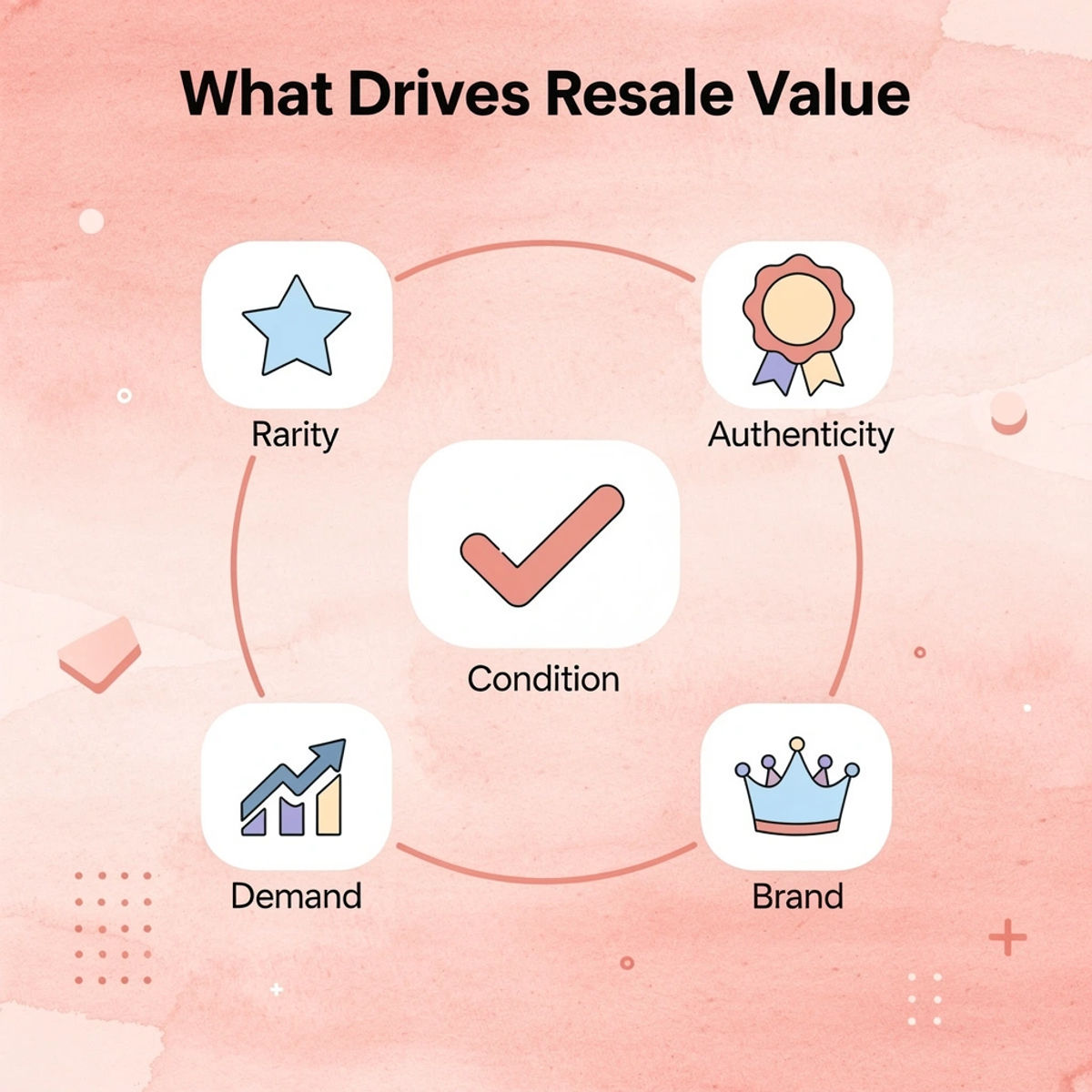 Hub and spoke infographic showing five factors that drive designer bag resale value
What happens when limited supply collides with serious collector demand?
The clearest proof of compounding factors emerges when limited availability collides with sustained collector interest. Christie's Hong Kong Handbags & Accessories Sale on 24 November 2025 delivered a seasonal record total of US$7.83 million, up 25 percent year-on-year with 93 percent of lots sold. The top lot, a rare white Hermès Faubourg Birkin, realized US$491,674, far above typical retail for standard models. This outcome reflects tightly controlled supply; bags released in higher volumes never produce the same bidding intensity.
How do retail price increases shape the best designer bag to invest in?
Price increases from the original store reshape the secondary market in ways most buyers underestimate. When a brand raises retail prices consistently, older purchases gain value without owner effort. In Christie's Handbags Online (The New York Edit), a rare 2014 Chanel runway Silver & Black Lambskin Leather Shopping Basket Bag sold for $152,400, more than ten times its $15,000 low estimate, setting a world auction record for any Chanel handbag. The premium reflects design that remains relevant and collectible rather than dated.
Why does buying pre-owned put you at a smarter point in the value equation?
Most buyers purchase new retail, hoping the name alone carries value forward. The hidden cost is immediate depreciation upon leaving the boutique, compounded by absorbing the full price increase rather than benefiting from it. Platforms like second hand designer offer access to pre-owned pieces that have already cleared that initial depreciation curve, often at prices reflecting older retail levels while the bag's condition and rarity still support strong resale value. Choosing pre-owned means entering the value equation at a smarter point.
What the secondary market actually rewards
The failure point is usually timing paired with unfamiliarity with market cycles. Seasonal styles flood the secondary market when trends shift, crashing clearing prices regardless of physical condition. Timeless silhouettes with restrained design maintain steady demand even when supply is thin. The bags that consistently outperform are those where design integrity keeps the piece as relevant in year ten as on release day.
Why do original accessories affect which best designer bag to invest in?
Authentication and original accessories matter more to buyers than most people realize until they try to sell. A missing dust bag or absent authenticity card creates a verification burden that serious buyers avoid, shrinking your pool of potential buyers and extending your selling timeline. Complete documentation from the start provides a significant advantage when you decide to sell.
How do you find and verify investment-worthy pieces with confidence?
Finding well-documented, investment-worthy pieces and verifying them with confidence proves more complicated than most buyers expect.
Related Reading
15 Best Designer Bags to Invest In That Hold Value
While many designer bags lose popularity as trends change, a small group keeps attracting collectors and fashion fans year after year. These bags combine excellent craftsmanship, timeless design, limited availability, and lasting brand prestige — making them remarkably strong investments in the luxury market.
"A small group of designer bags combines excellent craftsmanship, timeless design, limited availability, and lasting brand prestige — making them some of the most reliable investments in the luxury market." — Luxury Market Insight
💡 Tip: When shopping for a designer bag as an investment, prioritize pieces with limited availability and strong brand heritage — these are the key drivers of long-term value retention.
🔑 Takeaway:Not all luxury bags are created equal. The bags that hold — or grow — in value share a winning combination of iconic design, scarcity, and enduring brand prestige.
Value Factor | Why It Matters |
|---|---|
Excellent Craftsmanship | Ensures longevity and collector desirability |
Timeless Design | Resists trend cycles and stays relevant |
Limited Availability | Drives scarcity and resale demand |
Brand Prestige | Sustains long-term market confidence |
 Icon pyramid showing the three core pillars of value-holding designer bags
1. Hermès Kelly Mini II
The Kelly Mini II's compact trapezoidal shape and limited production sustain collector demand. Restricted availability supports elevated secondary-market interest long after purchase.
This size balances practical daily function with the iconic Hermès silhouette. Well-preserved examples remain sought after because the combination of craftsmanship and scarcity positions it as a reliable long-term investment.
2. Hermès Birkin Sellier
The structured Sellier construction offers a sharper, more architectural look for those preferring formality over soft drape. Its appeal stems from Hermès' carefully controlled distribution and its status as a luxury benchmark.
Larger Sellier sizes have shown renewed strength as collectors seek substantial, lasting pieces. Its clean lines and hardware details keep it relevant across seasons, supporting strong secondary market performance.
3. Chanel Classic Flap
The Classic Flap attracts buyers across generations with its quilted design, chain strap, and interlocking CC hardware: a recognizable, versatile style that transcends fashion trends.
Its status as both a fashion icon and a practical everyday bag gives it a value few styles match. Well-maintained examples in classic colors and materials draw consistent attention because the design never relied on temporary trends to remain desirable.
4. The Row Margaux
Scarcity defines the Margaux's current strength: The Row no longer carries the style, turning existing pieces into modern heirlooms. Its quiet proportions and precise construction align with the preference for minimal, intentional luxury, creating lasting appeal for collectors who prioritize discretion over logos.
5. Bottega Veneta Let's go
The Andiamo's soft woven weave and practical top-handle shape balance recognizable craftsmanship with everyday practicality. Under recent creative direction, it has become a modern classic.
Its structured yet soft form wears well across seasons and outfits, sustaining secondary-market interest. Buyers respond to the combination of distinctive texture and functional silhouette, keeping demand firm for examples in original condition.
6. The Row N/S Park Tote
The N/S Park Tote succeeds through its clean, vertical shape and minimal branding, which align with contemporary preferences for understated, functional luxury. Its practical design carries daily essentials without bulk, appealing to buyers seeking both style and utility.
Limited availability and strong demand for quiet, intentional designs support its secondary-market strength. The tote's restrained aesthetic and high-quality construction position it as a timeless piece rather than a trend-dependent one.
7. Loewe Puzzle
The Puzzle's modular fold construction and distinctive geometric form create immediate recognition without heavy logos. Its combination of craftsmanship and adaptable structure appeals to those who value design originality and everyday wearability.
This balance of unique geometry and practical function sustains collector interest. The bag's ability to shift between structured and softer looks keeps it relevant for buyers seeking long-term pieces.
8. Goyard Saint Louis
The Saint Louis tote derives its strength from coated canvas, a simple monogram, and a reputation for understated exclusivity. Its lightweight, durable construction and generous capacity appeal to those who prefer insider status over obvious branding.
Hard-to-find retail presence and steady cultural recognition sustain secondary-market interest. Well-preserved examples remain desirable and support solid resale performance, driven by practicality and subtle signaling.
9. Louis Vuitton Speedy
The Speedy's classic barrel shape and easy-to-recognize monogram canvas appeal to people of all ages, from people just starting to collect to people who have collected for a long time. Its different size options and strong construction make it a dependable everyday bag that always looks current.
Strong recognition and steady demand across all age groups support its position as an easy-to-sell style in the secondary market. The bag functions as both a practical carryall and status symbol, helping well-conditioned examples attract sustained interest over time.
10. Louis Vuitton Favorite
The Favorite's small crossbody style and clean lines make it versatile for day and evening wear, matching current demand for bags that are both functional and attractive.
People like this bag because it evokes nostalgia while remaining practical for everyday wear. Collectors seek these classic bags, and their excellent design and established brand help maintain strong resale value.
11. Balenciaga The City
The Le City's soft, slouchy structure and Y2K-inspired silhouette capture nostalgia that appeals to collectors and style-conscious buyers. Its celebrity associations and distinctive yet wearable form create lasting cultural relevance.
This recognizable design and renewed demand support its secondary-market performance. Well-preserved examples benefit from ongoing appetite for pieces that feel both archival and current, maintaining visibility and desirability among those seeking enduring styles.
12. Chloé Paddington
The Paddington's original padlock detail and structured leather tote shape have regained popularity through runway attention and early-2000s nostalgia. Its practical capacity paired with distinctive hardware gives it clear identity without excess.
Revival interest and functional elegance sustain secondary-market demand. Collectors respond to the blend of heritage details and everyday usability, helping well-maintained pieces retain appeal as fashion cycles revisit the era that made the style iconic.
13. Christian Dior Lady Dior
The Lady Dior's architectural shape, cannage stitching, and strong historical connections create a look that functions as both a family treasure and a recognized status piece. Its balanced proportions and refined details appeal across generations.
Steady cultural recognition and timeless design support consistent secondary-market interest. Well-kept examples attract buyers who value design integrity and brand heritage, making the style a reliable long-term hold.
14. The Row Banana Bag
The Banana Bag's curved shape and careful construction exemplify stealth-wealth style, prioritizing proportion and discretion over logos.
Limited availability in stores and alignment with current minimal preferences drive collector interest. Well-preserved examples maintain desirability among buyers seeking intentional, enduring pieces.
15. Marc Jacobs Venetia
The Venetia's early-2000s structure and distinctive hardware are now recognized as intentional archival finds rather than pure nostalgia. Its downtown glamour and recognizable proportions appeal to new collectors seeking styles with built-in history.
The bag's original design integrity supports renewed demand. Examples that retain their character attract interest because the style reads as a considered choice rather than a fleeting trend, helping it remain relevant over time.
How to Choose the Best Designer Bag to Invest In
Designer bags worth buying as investments share four essential qualities: steady demand, great craftsmanship, limited availability, and a timeless style that never goes out of fashion. Thinking about all of these factors before you buy helps you pick a bag that will stay appealing and keep its value for many years.
"The most investment-worthy designer bags combine iconic status, limited supply, and enduring craftsmanship — making them as valuable in a vault as they are on your arm." — Luxury Resale Industry Insight
Investment Factor | Why It Matters | What to Look For |
|---|---|---|
Steady Demand | Ensures long-term resale value | Iconic, recognizable silhouettes |
Great Craftsmanship | Determines durability and prestige | Hand-stitching, premium leather |
Limited Availability | Drives scarcity and price appreciation | Waitlists, limited editions |
Timeless Style | Prevents the bag from going out of fashion | Classic, season-neutral designs |
💡 Tip: Before committing to a purchase, always research the bag's resale history — a strong track record on the secondary market is one of the clearest signals of true investment potential.
⚠️ Warning: Avoid chasing trend-driven styles or seasonal colorways. Bags that feel exciting today but lack classic appeal are the most likely to lose value over time.
 Four icons representing the essential qualities of investment-worthy designer bags
Prioritize Brands with Established Secondary-Market Demand
Focus on brands whose pieces consistently attract buyers long after retail purchase. Hermès and Chanel styles retain value because their limited distribution and strong cultural recognition create lasting demand. Established names with tight supply control give bags a built-in resale audience.
Select Timeless Silhouettes Over Seasonal Trends
A bag with clean lines, balanced proportions, and functional details lasts longer than trend-driven styles. Designs that work across seasons and outfits retain buyer interest. The secondary market rewards pieces whose shape doesn't rely on temporary hype, as those forms remain relevant years later. Lasting structure protects against sharp value drops when attention shifts.
Examine Condition with Strict Standards
The physical condition of a bag is a major factor in determining its price. Scratches, stretched leather, worn corners, or missing hardware cause immediate price reductions. Examine every surface, edge, and hardware piece under good light, as visible wear lowers resale value and can complicate selling.
Favor Scarcity and Controlled Production
When few bags are available, buyers compete harder to acquire them. Styles made in small quantities or discontinued remain in demand, maintaining strong prices. Bags that are genuinely hard to find—such as special orders, limited runs, or discontinued models—differ from mass-produced bags, sold in regular stores. The lower the supply relative to demand, the better the bag retains its value on the secondary market.
Match Size, Color, and Function to Both Lifestyle and Market Appeal
Pick sizes and colors that work for everyday needs and appeal to a broad audience. Neutral colors and flexible sizes attract more future buyers and age better than bold seasonal shades. A bag that fits real routines—work, travel, or evenings—gets used and maintained properly, which preserves its condition and makes it easier to resell.
Verify Authenticity, Documentation, and Provenance
Clear proof that something is real and that it has all the original items that came with it makes the next owner feel more confident. Original receipts, authenticity cards, dust bags, and boxes make the item seem more valuable and easier to sell. Missing paperwork makes buyers hesitant, which lowers offers and makes the item weaker when it gets sold to someone else.
Research Recent Market Performance Before Committing
Look at how similar bags have sold at auctions recently. Knight Frank data shows Hermès Birkin and Kelly styles retained pricing power with only marginal change in 2025, while the wider category has shown strength over longer time periods. Check current demand for the specific style, size, and material to determine whether the bag is in a strong or slowing market. This grounds your choice in real results rather than assumptions.
How PICKUPPOINT Helps You Invest in Authentic Designer Bags
Finding a verified, investment-grade pre-owned bag is harder than it sounds. The secondary luxury market is fragmented and full of listings where authenticity is assumed rather than proven. That gap between assumption and certainty is where buyers lose confidence — and where PICKUPPOINT steps in to change everything.
"The secondary luxury market is fragmented and full of listings where authenticity is assumed rather than proven — that gap is where most buyers lose confidence." — PICKUPPOINT
🎯 Key Point: The primary risk in the pre-owned luxury market isn't overpaying; it's buying a bag with unverified authenticity. Certainty is the real investment.
⚠️ Warning: Never purchase a pre-owned designer bag from a platform that treats authentication as optional. Assumed authenticity is not the same as proven authenticity — and the difference can cost you thousands.
 Scene of magnifying glass examining a designer bag representing authenticity verification
Why does authentication matter when choosing the best designer bag to invest in?
Pick Up Point verifies every listing before it reaches buyers. When a Chanel Classic Flap or Hermès Birkin appears on the platform, it has already passed verification. According to Suttons & Robertsons, rare designer handbags can appreciate by up to 14% annually, but that growth depends on authenticity from the start of your purchase.
Why is sourcing the real risk when choosing the best designer bag to invest in?
The main problem for most luxury bag buyers is not money but finding the right place to buy. Acquiring a pre-owned Birkin or vintage Chanel Double Flap from unverified sources carries the risk of counterfeit purchase, and most buyers lack the expertise to authenticate bags. Pick Up Point's selection focuses on classic and limited styles with proven demand rather than seasonally popular pieces. Scarcity and desirability drive long-term value retention, not the novelty of new retail releases.
How does a verified consignment process protect your investment exit?
Most buyers handle resale by posting independently across multiple platforms. As time passes, condition questions multiply, provenance becomes harder to prove, and credibility erodes through process friction. Pick Up Point's consignment service returns authenticated pieces to a verified market channel, preserving the bag's standing and protecting exit price. The investment cycle becomes complete: buy verified, hold with confidence, sell through a trusted process.
Why conscious ownership compounds the value
Choosing pre-owned items reduces demand for new production, delivering environmental benefits in a resource-intensive industry. Pick Up Point brings together style, sustainability, and community, enabling you to build a collection that reflects your personal values and fits your budget.
Clear information about item condition and worldwide shipping removes the logistical barriers that historically kept serious buyers from participating. What once required authentication specialists and international coordination now happens within a single verified platform.
Related Reading
Get your Next Luxury Purchase from PICKUPPOINT
Pick Up Pointmakes shopping easier by removing the stress of unverified listings, condition uncertainty, and authenticity concerns. We offer authenticated pre-owned designer piecescurated for confident buyers. Choosing pre-owned gives quality pieces a second life rather than letting them sit unused or discarded.
🎯 Key Point: Every piece on Pick Up Point is authenticated, so you shop with complete confidence.
"Choosing pre-owned luxury gives quality pieces a second life rather than letting them sit unused or discarded." — Pick Up Point
💡 Tip: Skip the guesswork of unverified listings. Pick Up Point's curation process does the hard work for you.

Scene of magnifying glass examining a luxury bag representing authentication
Explore Pick Up Point's curated collection to invest in a designer bag that holds its value, reflects your personal style, and supports a more conscious approach to luxury.
What You Get | Why It Matters |
|---|---|
Authenticated pieces | Zero risk of counterfeit purchases |
Curated pre-owned selection | Only the best condition items make the cut |
Value-holding designer bags | A smart investment that pays off over time |
Conscious luxury shopping | Support sustainability without sacrificing style |
✅ Best Practice: When investing in luxury resale, always prioritize platforms — like Pick Up Point — that offer verified authentication and transparent condition grading.