


Are Birkin Bags a Good Investment? 9 Factors to Consider
Are Birkin bags a good investment? Pick Up Point breaks down 9 key factors—resale value, rarity, and more—before you buy.
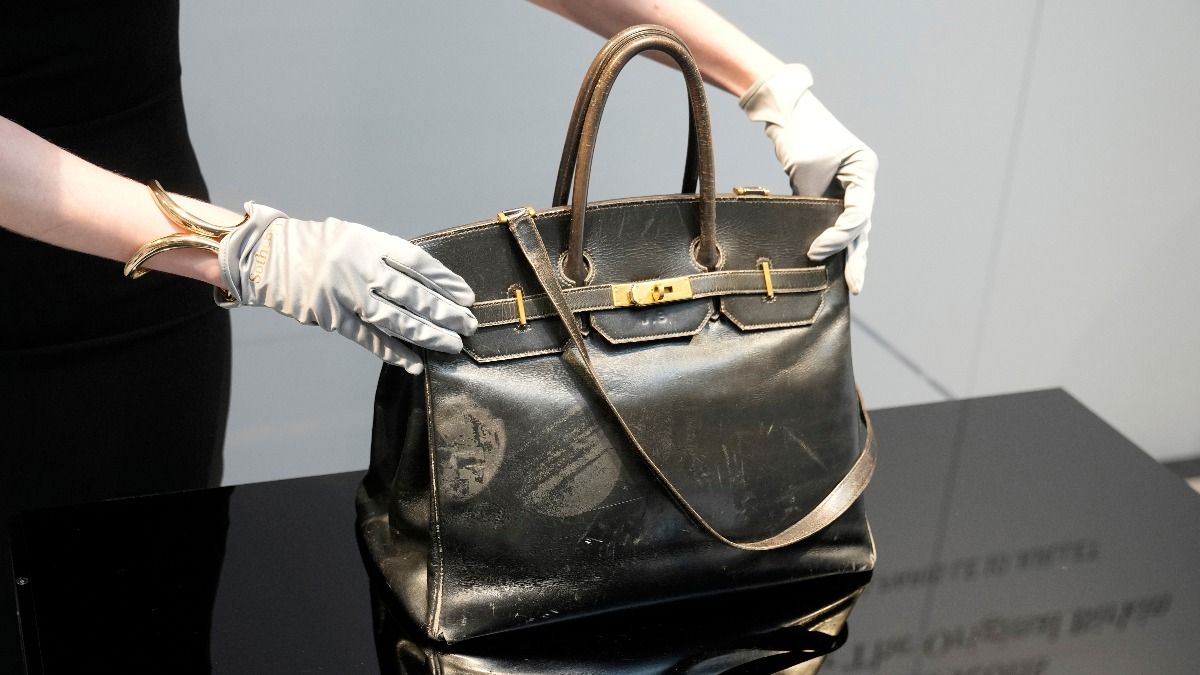
Spending $10,000 or more on a handbag raises a reasonable question: will it hold its value years from now? In the luxury consignment market, Hermès Birkin bags are among the few fashion items that regularly sell above their original retail price. Factors like leather type, hardware color, bag size, and condition all play a measurable role in determining what a Birkin is actually worth on the resale market.
For anyone considering buying or selling one, understanding those variables is the difference between a confident decision and a costly mistake. Pick Up Point connects buyers and sellers through a trusted second hand designer platform with authenticated pieces, verified condition details, and transparent pricing.
Table of Contents
What Makes Birkin Bags Different From Other Luxury Handbags?
Which Birkin Bags Appreciate the Most Over Time?
Are Birkin Bags a Good Investment?
9 Factors to Consider Before Investing in a Birkin Bag
How to Maximize the Investment Value of a Birkin Bag
How PICKUPPOINT Makes Buying and Selling Birkin Bags Safe and Simple
Get your Next Luxury Purchase from PICKUPPOINT
Summary
Hermès Birkin bags have appreciated 92% on the resale market over the last decade, according to the Rebag 2025 Clair Report via Robb Report. That figure reflects not just brand prestige but a production model built around structural scarcity. Hermès caps each workshop at roughly 250 artisan positions, each requiring 18 months or more of in-house training before artisans can work independently on a Birkin, which means supply cannot scale the way other luxury brands can.
Not every Birkin is appreciated equally, and the gap between top and bottom performers is significant. Exotic-skin Birkins in Porosus crocodile or Niloticus alligator require 40 to 50 hours of specialized handwork per bag, compared to 15 hours for a standard calfskin version. Top configurations like the Kelly Mini II and Sellier Birkin are trading at up to nearly 3x their original retail prices, reflecting how structural scarcity in exotic production drives outsized resale premiums.
The aggregate appreciation numbers mask a more complicated reality for most buyers. Fewer than 1% of luxury handbags actually gain value over time, according to CNBC, and that figure applies across the Birkin lineup as well. Standard configurations in common sizes circulate regularly in the secondary market, which softens price growth, while carrying costs, including storage, insurance, and leather conditioning, quietly erode returns throughout the holding period.
Size and hardware choices carry more financial weight than most first-time buyers expect. The Birkin 25 and 30 consistently outperform the 35 and 40 in resale velocity because smaller sizes require more precise material selection and a proportionally greater level of artisan skill. Palladium hardware paired with neutral tones like Étoupe or Gold attracts broader collector interest at resale, while vivid seasonal colorways can narrow the buyer pool and introduce pricing volatility.
Birkin bags have delivered an average annual return of 14.2% compared to 8.7% for the S&P 500, according to research from Baghunter, but that average is pulled upward by a small number of rare configurations. The honest case for Birkin ownership rests on enjoyment and craftsmanship rather than passive appreciation. A bag stored out of use locks up capital, misses the purpose for which it was built, and slowly loses both financial and practical value through inactivity.
The resale transaction itself introduces friction that sellers frequently underestimate. According to Sotheby's complete guide to buying and selling a Birkin, bags can sell for anywhere between $9,000 and over $500,000 at auction, meaning the difference between a poorly presented sale and a professionally managed one can be enormous. Authentication removes the single largest risk for buyers, while professional consignment removes the single largest source of friction for sellers.
PICKUPPOINT's second hand designer platform addresses this directly by providing authenticated pre-owned Birkins with verified condition grading and transparent pricing, giving both buyers and sellers the documented information needed to make confident decisions in a market where detail and provenance determine outcome.
What Makes Birkin Bags Different From Other Luxury Handbags?
Birkin bags are in a different category entirely because of how they are made, who makes them, and what that process ultimately creates. Every choice made during construction—from the single artisan who builds each bag from start to finish to the hand saddle stitching that lasts longer than machine seams by decades—creates a physical object that most luxury brands simply cannot copy at any price point.
"Every Birkin is built by a single artisan from start to finish — a level of individual craftsmanship that no mass-production process, however premium, can replicate." — Hermès Atelier Tradition
Feature | Birkin Bag | Other Luxury Handbags |
|---|---|---|
Construction Method | Single artisan, start to finish | Assembly line or team-based |
Stitching Type | Hand saddle stitching | Machine stitching |
Seam Longevity | Lasts decades longer | Standard lifespan |
Replicability | Cannot be copied at any price | Often imitated |
🔑 Takeaway: The Birkin's value isn't just in its materials — it's in an irreplaceable construction process that makes every bag a one-of-a-kind object.
💡 Tip: When evaluating luxury handbag investments, look beyond the brand name — construction method and artisan accountability are the real indicators of long-term value.

Why does the production model make Birkin bags a good investment?
The difference shows up most clearly in long-term value. According to the Rebag 2025 Clair Report via Robb Report, Hermès Birkin bags have appreciated 92% in value on the resale market over the last decade. This increase reflects durability and scarcity rather than brand prestige alone. Bags made on assembly lines, finished with synthetic coatings, or designed around seasonal trends, do not achieve this level of appreciation.
The production model itself creates scarcity without artificial manipulation. Hermès workshops are deliberately small, capped at roughly 250 artisan positions each, with every artisan requiring 18 months or more of in-house training before working independently on a Birkin. This ceiling on skilled labor becomes a ceiling on supply, ensuring demand consistently outpaces availability. Other luxury houses can increase output by adding workers or outsourcing components. Hermès cannot, and will not, scale that way.
How do materials and leather quality set Birkins apart from competitors?
The materials strengthen this advantage further. Togo, Epsom, Clemence, and Swift leathers are selected for their performance, inspected individually, and processed through controlled tanning that allows the leather to develop character and depth as it ages rather than crack or fade. Lower-quality or counterfeit leather deteriorates under conditions that a Birkin withstands without visible damage.
What challenges do buyers face when purchasing pre-owned Birkin bags?
Most buyers seeking used Birkins encounter incomplete condition details, vague provenance, and no clear way to verify authenticity. Platforms like Pick Up Point's second hand designer marketplace address this by offering authenticated used Birkins with transparent condition reporting.
Are Birkin bags a good investment compared to every other luxury label?
A Birkin is not a luxury handbag that happens to hold value. It is engineered through process, material, and human skill to endure, and this durability is what the resale market rewards. A 2025 report from Rebag, via Robb Report on Instagram, found that Hermès led all luxury labels with an average value retention of 138%, separating it from every other brand by a margin no amount of marketing spending can match. But not every Birkin performs equally, and the gap between the best and worst performers is wider than most buyers expect.
Which Birkin Bags Appreciate the Most Over Time?
Not every Birkin appreciates equally. The configurations that consistently outperform depend on three critical factors: material rarity, size, and construction complexity. Get all three right, and you hold something the market will pursue for decades.
"The configurations that consistently outperform depend on material rarity, size, and construction complexity — get all three right, and you hold something the market will pursue for decades." — Key Investment Insight
Factor | Why It Matters | Impact on Value |
|---|---|---|
Material Rarity | Exotic skins and limited leathers drive scarcity | Highest appreciation potential |
Size | Certain sizes see far stronger resale demand | Significant price premium |
Construction Complexity | More intricate builds command collector-level pricing | Strong long-term hold value |
💡 Tip: When evaluating a Birkin as an investment, always assess all three factors together — a rare material in the wrong size can still underperform the market.
🔑 Takeaway: The most appreciated Birkins aren't just expensive — they're the precise intersection of rarity, demand, and craftsmanship complexity that makes them irreplaceable to serious collectors.

The materials that separate strong performers from slow ones
Exotic skin Birkins made from Porosus crocodile or Niloticus alligator require 40 to 50 hours of specialized handwork per bag, compared to 15 hours for standard calfskin. Hermès limits growth in leather goods production to 6 to 7 percent annually and refuses to accelerate any step in the process. The result is a supply curve that remains nearly flat while collector demand climbs steadily. Top performers like the Kelly Mini II and Sellier Birkin sell for up to 3 times their original retail prices, reflecting this structural scarcity.
Why does size affect resale velocity more than most buyers expect?
The Birkin 25 and 30 sell faster than the 35 and 40 because smaller sizes require more careful material selection and greater artisan skill per square inch of leather. Larger bags consume more of Hermès's production capacity, making more similar examples available in the secondary market. Fewer comparable examples give sellers more pricing power.
A Gold Togo Birkin 35 is iconic, but that fame limits its resale potential. The same configuration regularly appears on the secondary market, slowing price growth. Special construction variants, like the Ghillie style with its woven leather overlay, require additional decorative steps that add significantly more artisan hours beyond the baseline. These pieces appear rarely, and their scarcity is structural rather than created by marketing.
Where can buyers find real-time signals on which configurations hold value?
Platforms like Pick Up Point display real-time pricing information, revealing which combinations of size, leather, and hardware are most popular. Our platform lets buyers access this data through actual sales rather than guesses, capturing insights that boutique availability and auction house catalogs often overlook. Authenticated pre-owned platforms provide transparency that traditional channels cannot match.
Are Birkin bags a good investment when hardware and color are factored in?
Hardware choice and color carry more weight than buyers typically assign them. Palladium hardware on neutral tones like Étoupe or Gold has historically held broader collector appeal than seasonal colorways. Vivid colors like Rose Shocking or Bleu Electrique can narrow the buyer pool at resale, affecting pricing. Neutral tones with classic hardware consistently attract more competing bids.
Birkin bags have delivered an average annual return of 14.2%, compared to 8.7% for the S&P 500, though this overall figure masks significant variation between configurations. The bags driving that average are rarely the most familiar ones. Once you understand which configurations appreciate fastest, the next question becomes harder: whether a Birkin is a reliable investment at all, or whether the numbers hide a more complicated truth.
Related Reading
Are Birkin Bags a Good Investment?
Birkin bags are not reliable investments in the traditional sense. They are exceptional objects, but ownership economics work against the buyer in ways headline appreciation numbers rarely show.
"Birkins are exceptional objects, but ownership economics work against the buyer in ways headline appreciation numbers rarely show."
💡 Tip: Before treating a Birkin as a financial asset, understand that looking like an investment and being one are different things.

The gap between "Birkins go up in value" and "Birkins are a good investment" is wider than most people expect. According to CNBC, fewer than 1% of luxury handbags actually gain value over time. Most bags — including many Birkin configurations — lose value once you account for carrying costs, condition degradation, and the difficulty of converting leather back into cash. The ones that appreciate are exceptions — typically the rarest exotic configurations.
Factor | Impact on Returns |
|---|---|
Carrying costs | Erodes net gains over time |
Condition degradation | Reduces resale value significantly |
Liquidity | Hard to convert to cash quickly |
Rarity of appreciation | Fewer than 1% of luxury bags gain value |
⚠️ Warning: The "Birkins always appreciate" narrative is driven by outlier sales — the rarest exotic configurations — not the typical bag sitting in your closet.
🔑 Takeaway: Fewer than 1% of luxury handbags genuinely gain value. For most buyers, a Birkin is a luxury purchase — not a financial strategy.
What does the ownership math actually look like for Birkin bags as an investment?
The cost structure rarely shows up in investment pitches. A buyer holding a standard calfskin Birkin for seven years pays for climate-controlled storage, specialist insurance, and periodic leather conditioning—none of which generates returns. Meanwhile, Hermès is opening two new workshops in 2025 and 2026, adding hundreds of trained artisans to a production system growing at a controlled 6 to 7 percent annually. The bag you buy today enters a period of steady supply expansion. Scarcity is managed, not fixed, and that distinction matters when projecting long-term resale value.
What happens to capital when a Birkin sits unused in storage?
A pattern emerges among long-term Birkin bag owners: the bag ends up stored rather than used. The fear of scratching a bag worth tens of thousands of dollars is understandable, but it can have an unexpected result: money tied up, the object left unused, and the emotional reward fading. That is not an investment performing well. That is an expensive object waiting for a perfect moment that rarely comes.
Does keeping a Birkin in circulation better preserve its value?
The smartest way to hold a Birkin is to keep it moving. A bag sitting in a safe serves no one. A bag that moves through authenticated pre-owned luxury platforms stays active, reaches buyers who will use it, and avoids the value loss associated with extended storage. Platforms like Pick Up Point treat the bag as what it is: a strong, well-made object whose value is best protected through purposeful ownership rather than idle possession.
Are Birkin bags a good investment if you ignore enjoyment and craftsmanship?
A Birkin rewards people who buy it for the right reasons: enjoyment, craftsmanship, and the experience of owning something exceptional. Expecting it to behave like an index fund while ignoring it is where the logic breaks down. The bags that truly appreciate are rare, specific, and require expertise to identify before purchase.
Related Reading
9 Factors to Consider Before Investing in a Birkin Bag
Investing in a Birkin bag depends on several critical factors: rarity, condition, craftsmanship, and market demand. Looking at these key details before you buy helps you make a smarter purchase and significantly reduces the risk of paying high prices for a bag with weaker investment potential.
"The Birkin bag has consistently outperformed traditional assets — understanding rarity, condition, and demand before buying is essential to maximizing your return." — Luxury Investment Experts
Factor | Why It Matters | Investment Impact |
|---|---|---|
Rarity | Limited production drives scarcity | Higher resale value |
Condition | Pristine bags command top dollar | Maximum return potential |
Craftsmanship | Quality signals authenticity and longevity | Stronger buyer confidence |
Market Demand | Trends affect liquidity and pricing | Faster resale turnaround |
💡 Tip: Always evaluate all four factors together — a rare bag in poor condition can lose significant value compared to a well-maintained standard edition.
⚠️ Warning: Paying premium prices without researching market demand first is one of the most common mistakes new Birkin investors make — never skip this step.

Factor 1: Confirming Authenticity Through Artisan and Construction Markers
Every authentic Birkin bag bears clear signs of single-craftsperson construction: a maker's stamp or code inside the bag, a date stamp matching the production date, and matching numbers on the lock and keys. The saddle stitching must have even tension with thread locking from both sides using two needles and waxed linen. Hermès manufactures all leather goods in France across 63 dedicated sites, each with approximately 250 craftsperson positions. Any discrepancy in these marks or uneven handwork warrants professional authentication.
Factor 2: Evaluating Leather Type Against Durability Requirements
Different leathers age distinctly. Togo's bumpy texture resists scratches while remaining lightweight and shape-retentive. Epsom's stiff grain maintains structure and effectively repels marks. Clemence develops a supple patina but starts softer and shows wear differently. Swift feels smooth and lightweight yet requires more careful handling. Your leather choice directly affects how the bag ages, cleans, and holds its form under regular use.
Factor 3: Aligning Size With Actual Daily or Travel Needs
Birkin sizes range from the compact 25 to the spacious 40, each serving different needs. The 25 suits minimal daily carry or evening use but limits capacity. The 30 and 35 balance essentials with manageable weight and proportions. The 40 offers maximum room for documents, laptops, or travel items, but becomes heavier when full. Choose based on what you typically carry and how often you use it, not simply on popularity.
Factor 4: Assessing Color and Hardware Combinations for Sustained Appeal
The color and hardware you choose affect how the bag ages with light, handling, and environmental exposure. Neutral colors like black, beige, or grey, paired with palladium or gold hardware, work across different seasons and outfits, while brighter or limited colors fade from style faster and show color changes more noticeably. Solid metals resist tarnish better than lighter plating with proper care. Choose combinations that will last with your wardrobe rather than trend-dependent options.
Factor 5: Distinguishing Sellier and Retourne Construction Effects
Sellier construction stitches the outside edges, creating sharper lines and a structured shape that holds its form when empty. Retourne turns the bag inside out during assembly, resulting in softer edges and a slouchier look over time. Both use the hand saddle-stitch technique performed by one artisan, but they differ in how the bag hangs, packs, and resists creasing. Choose based on whether you prefer a crisp or broken-in appearance.
Factor 6: Planning for Regular Maintenance and Professional Servicing
Hermès recommends regular professional care to maintain the bag's appearance and structural integrity. Skilled technicians perform restitching, edge reglazing, hardware polishing, and leather conditioning using brand-approved methods. Service frequency depends on usage: daily-carry bags require more frequent attention than occasional-use pieces. Skipping service accelerates wear on seams, edges, and hardware that single-artisan construction otherwise protects. Budget for these visits to significantly extend the bag's usable life.
Factor 7: Establishing Proper Storage and Environmental Controls
Birkin bags require steady temperatures and humidity levels to prevent leather cracking, hardware dulling, and shape distortion. Special dust bags and acid-free tissue preserve the bag's form during storage. Avoid direct sunlight, extreme heat, and damp areas, which can damage even durable leathers like Epsom or Togo. Alternating use with rest periods between wearings allows materials to recover.
Factor 8: Securing Specialized Insurance and Protection Measures
High-value Birkin bags require special insurance coverage for replacement, theft, loss, and accidental damage, as standard homeowner policies often lack sufficient limits for luxury items. Protect your investment by storing it safely at home, carrying it discreetly, and maintaining records of the serial number, stamps, and photos.
Factor 9: Calculating Total Cost of Ownership Against Personal Financial Context
Beyond the initial purchase, factor in ongoing expenses for maintenance, storage, insurance, and servicing. Compare this full picture against your overall budget, liquidity needs, and alternative uses for capital. A Birkin excels when the owner values its craftsmanship for daily or special use and accepts the responsibilities that come with French atelier standards and single-artisanal quality. It fits best for those who integrate the piece into a lifestyle that supports proper care.
How to Maximize the Investment Value of a Birkin Bag
Buying a Birkin is only the first step. Keeping its value high and making it worth more money over time depends on the choices you make after you buy it — picking the right model, taking care of it, and selling it at the right time. Every choice you make affects how much collectors will want it.
"The decisions made after purchase — from storage and maintenance to timing the resale — are what separate a depreciating luxury item from a high-performing alternative asset."
💡 Pro Tip: Focus on three core levers after purchase: model selection, condition preservation, and strategic timing — all three must work together to maximize resale value.
⚠️ Warning: Neglecting any one of these factors — such as improper storage or selling at the wrong time — can significantly reduce collector demand and cost you thousands in lost investment returns.
Factor | Why It Matters | Impact on Value |
|---|---|---|
Model Selection | Rare colors and hardware command premiums | High |
Condition Preservation | Mint condition bags attract top-tier collectors | High |
Resale Timing | Market demand fluctuates seasonally and cyclically | Medium–High |

Select Leathers Suited to Expected Wear and Environmental Exposure
Togo leather's bumpy texture hides minor scratches while maintaining shape with regular use. Epsom's cross-hatched grain, created through controlled pressing, stiffens the leather and resists everyday marks that clean off easily. Clemence, a softer bull-calf leather, improves with use while remaining durable when rotated properly. Swift's smooth, fine-grain surface suits lighter bags but requires extra care to prevent scuffs. Choose leather based on what you carry, how often you use it, and the climate to preserve the bag's shape and finish.
Choose Construction Techniques That Support Long-Term Shape Retention
Sellier assembly stitches along outside edges, creating defined lines and a structured shape that stays firm even when partially filled. Retourne construction turns panels during assembly for softer curves and a smooth drape that evolves with use. Both use the signature hand saddle stitch, done by a single artisan with two needles and waxed thread from opposite sides, creating interlocking seams that withstand stress. Choosing the method that best suits your preferred look and how you carry the bag helps preserve its intended shape.
Verify Complete Authentication Markers Before Final Commitment
Real Hermès bags feature an artisan stamp or code inside, a production date stamp matching the manufacturing date, and numbered locks with matching keys. The exterior hardware is precisely engraved and securely attached, with no gaps or misalignment. Interior stitching displays even tension and clean thread paths. Professional authentication services or a direct review at a Hermès boutique can confirm these details and verify the bag's provenance.
Handle and Pack the Bag With Techniques That Minimize Stress Points
Don't overfill compartments, as this can strain seams or bend hardware. Use protective covers or pouches for sharp objects and rotate contents regularly to distribute pressure evenly. Keep outside surfaces away from direct sunlight, excess moisture, and rough contact during transport or storage. Using multiple pieces and rotating between them allows the leather and stitches to recover between trips, preserving the soft yet strong qualities of single-artisan construction.
Schedule Exclusive Professional Servicing Through Authorized Channels
Hermès has specialized after-sales teams trained to work with its leathers and to repair them using its methods. These teams can fix seams, refinish edges, replace hardware, and condition the surface. Using regular cleaners or attempting home care can discolor the leather, stiffen the material, or weaken the threads, since these products lack the precise formulas and methods developed for Hermès leathers. Regular servicing keeps your bag in excellent condition by allowing craftsmen to address minor issues before they escalate.
Maintain Stable Environmental Conditions for Storage Periods
Store the bag in a cool, dry place with a steady temperature and moderate humidity to prevent the leather from shrinking or cracking and the hardware from rusting. Use the included dust bag or an acid-free alternative. Stuff it gently with acid-free tissue to maintain its shape, and keep it standing upright rather than folded or squeezed. Avoid heat, direct light, and fluctuating temperatures, such as in attics or basements. These steps preserve the leather's softness and strength as originally crafted.
Document Provenance, Care History, and Any Servicing Records
Keep detailed records of original purchase documentation, authentication reports, interior stamps, and professional maintenance dates. Photograph the bag from different angles periodically and note any changes or work performed. Organized files create a continuous history that reinforces authenticity and demonstrates responsible stewardship aligned with Hermès standards, supporting confidence in the bag's condition for personal enjoyment and future considerations.
How PICKUPPOINT Makes Buying and Selling Birkin Bags Safe and Simple
The other half of the equation is execution: actually moving a Birkin through the market without losing money, time, or trust.
💡 Tip: Whether you're buying or selling, the platform you choose directly determines how safe, fast, and profitable your experience will be — don't leave that to chance.
"In the luxury resale market, execution is everything — the right platform protects your investment, your time, and your peace of mind." — Industry Insight
⚠️ Warning: Sellers who go it alone without a trusted marketplace risk underpricing, fraud, and delayed transactions that erode the real value of their asset.
Risk Factor | Without PICKUPPOINT | With PICKUPPOINT |
|---|---|---|
Fraud Protection | Minimal or none | Fully managed |
Pricing Accuracy | Guesswork | Market-validated |
Transaction Speed | Unpredictable | Streamlined & fast |
Trust & Verification | Unverified buyers/sellers | Authenticated process |
Why do private Birkin sales so often go wrong?
Selling a Birkin privately sounds straightforward until you try it. Pricing without professional data leads to either leaving money on the table or leaving an unsold bag on the shelf for months. Buyers ask for detailed photos, question authenticity, negotiate aggressively, and sometimes disappear entirely. The friction costs sellers more than expected—not just in time, but in the erosion of confidence that comes from managing every step independently.
The failure point is usually verification. A buyer who cannot independently confirm authenticity will either walk away or offer a discount to reflect their uncertainty. According to Sotheby's complete guide to buying and selling a Birkin, Birkin bags sell for anywhere between $9,000 and over $500,000 at auction. The spread between a poorly presented sale and a professionally managed one is enormous. Sellers who skip professional authentication often accept a fraction of what the bag could command.
How does authenticated consignment remove the biggest risks for buyers and sellers?
Secondhand designer platforms like Pick Up Point address this directly: authenticated consignment means the bag is professionally evaluated, graded with specific condition ratings, and presented to a global buyer pool, with an authenticity guarantee for every listing. Sellers avoid the complexity; the platform handles assessment, presentation, and verified delivery worldwide.
The sustainability dimension matters too. Hermès Birkin bags appreciated 92% on the resale market over the last decade, making a pre-owned Birkin a financially sound, environmentally responsible choice rather than a downgrade from new. Every Birkin that moves through a verified resale channel stays in active use rather than sitting unused in a closet.
Are Birkin bags a good investment when both sides of the transaction are fully verified?
If you are buying, authentication removes the biggest risk in the transaction. If you are selling, professional consignment removes the biggest source of friction. When both sides operate with verified information, standardized condition grading, and end-to-end logistics support, the transaction becomes a straightforward exchange of a documented, valuable asset rather than a gamble.
Related Reading
Get your Next Luxury Purchase from PICKUPPOINT
If you're ready to buy a Birkin with verified provenance and documented condition, or consign one that deserves a better home, Pick Up Point brings authentication, professional grading, and global buyer access together in one place. That's the difference between a transaction that works and one that doesn't.
🎯 Key Point: Authentication, grading, and global reach aren't optional extras — they're the foundation of every trustworthy luxury transaction at Pick Up Point.
"The difference between a transaction that works and one that doesn't comes down to verified provenance, professional grading, and global buyer access — all in one place." — Pick Up Point
What Pick Up Point Provides | Why It Matters |
|---|---|
Verified Authentication | Eliminates the risk of counterfeit purchases |
Professional Grading | Sets accurate expectations for buyers & sellers |
Global Buyer Access | Maximizes exposure and resale value |
Documented Condition Reports | Builds trust at every stage of the transaction |

A bag sitting unused is a missed financial opportunity and a luxury object whose story isn't finished. Pick Up Point treats pre-owned designer pieces as assets worth preserving and circulating with intention. Visit Pick Up Point today and put your next decision on solid ground.
💡 Tip: Don't let a high-value asset collect dust. Consigning with intention through Pick Up Point turns an idle luxury piece into active financial value.
⚠️ Warning: Every month, a pre-owned Birkin that sits untraded represents a potential return on investment lost. Act with intention, not hesitation.