


10 Fashionphile Competitors for Buying Pre-Owned Luxury Bags
Fashionphile competitors compared by Pick Up Point. Find 10 sites to buy pre-owned luxury bags at the best prices.
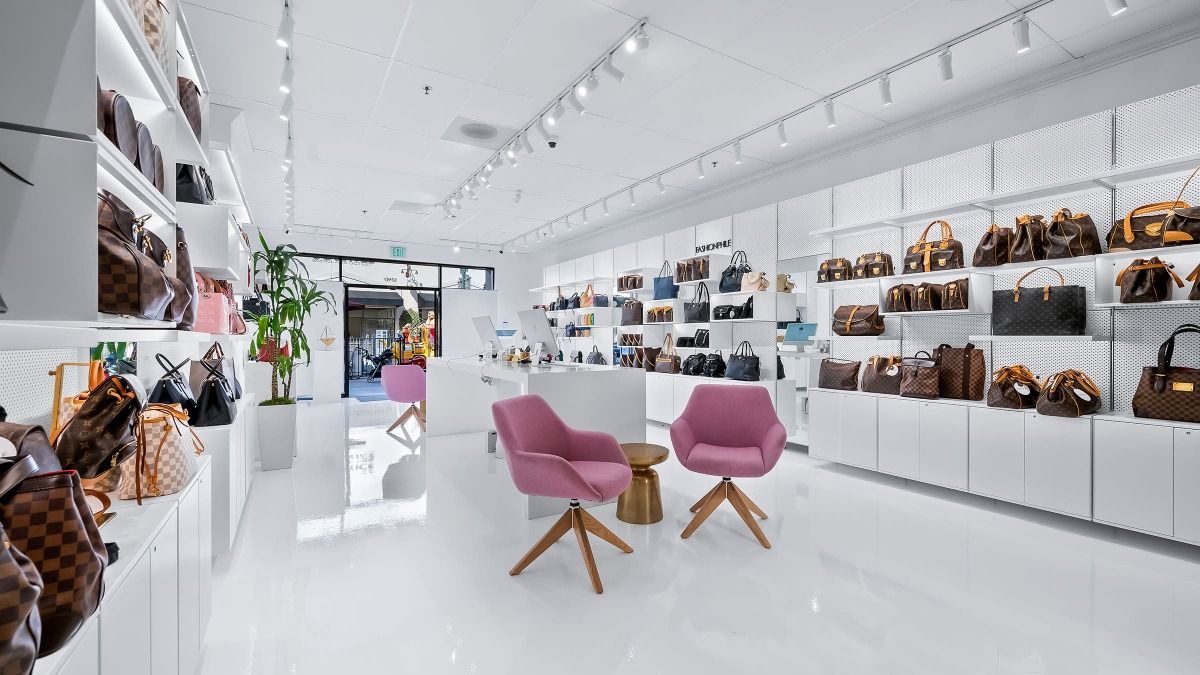
Finding the right platform to buy a pre-owned luxury bag takes more effort than most shoppers expect. Authenticity guarantees, fair pricing, and a strong selection rarely come together in one place, and not every luxury consignment platform delivers on all three. For buyers who have relied on Fashionphile and started questioning whether better options exist, several strong alternatives are worth a closer look.
Among the most practical choices is PICKUPPOINT, a platform that connects buyers with authenticated pre-owned luxury goods at competitive prices. Rather than sorting through inconsistent listings elsewhere, PICKUPPOINT focuses on verified items and transparent pricing, whether the search is for a Chanel flap bag or a rare Hermès piece. Shoppers ready to explore a curated, trustworthy marketplace can start with second hand designer .
Table of Contents
What Is Fashionphile, and What Does It Offer?
Why Do People Look for Competitors of Fashionphile?
What Should You Look for in a Luxury Resale Company?
10 Fashionphile Competitors for Buying Pre-Owned Luxury Bags
How PICKUPPOINT Makes Buying and Selling Luxury Bags Safer
Get your Next Luxury Purchase from PICKUPPOINT
Summary
The luxury resale market reached USD 32.47 billion in 2024, and that growth has created a crowded field where every platform claims authenticity and accurate condition grading. The real differentiator is not what a platform promises at checkout but how it handles the gap between the listing description and what actually arrives. Scale amplifies every weak point in a system, so larger platforms often generate more complaints in absolute terms even when their failure rate as a percentage seems manageable.
Authentication guarantees are only as strong as the process behind them. Strong verification requires brand-specific experts checking construction, hardware, date codes, and serial numbers against manufacturer standards, often layered with AI-assisted database scans. Despite these tools being available in the market, 41 percent of resale buyers still express wariness about counterfeits, reflecting how inconsistently those standards are applied across platforms.
Condition grading is where most resale transactions quietly fall apart. Vague descriptors like "good used condition" without multi-angle photography or written disclosure of specific wear create an information gap that buyers only discover after the package arrives. Well-managed platforms keep return rates below 8 to 9 percent in handbag and apparel categories, while weaker condition documentation pushes that number higher and leaves buyers absorbing costs for problems honest photography would have prevented.
Seller economics deserve the same scrutiny as buyer protections. Industry data show that average seller recovery ranges from 35 to 55 percent of the original retail price after fees, with platform commissions ranging from 15 to 38 percent. Platforms that scale transaction volume without adjusting payout structures see higher seller churn because sellers eventually compare their realized amounts against current market comparables and find the gap difficult to justify.
The financial stakes of getting authentication wrong have risen sharply alongside prices. Chanel bags have increased in value by over 70 percent in the last five years, and the resale value of classic luxury handbags can retain up to 80 percent of their original retail price, but only when the right buyer finds a verified listing. Those figures make the quality of a platform's verification process a financial consideration, not just a trust one.
The luxury resale market is projected to reach USD 50.06 billion by 2030, bringing more platforms, more inventory, and greater complexity to every buying decision. Buyers who navigate that well will evaluate platforms on structure, accountability, and values rather than selection and price alone. PICKUPPOINT's second-hand designer marketplace addresses this by using percentage-based condition grading and structured verification to reduce the information gap that drives most post-purchase disputes.
What Is Fashionphile, and What Does It Offer?
Fashionphile is a managed luxury resale platform , not a peer-to-peer marketplace. Every item undergoes brand-specific authentication , a proprietary Smart Database Scan , and AI-powered verification before listing, backed by a lifetime authenticity guarantee . This makes it one of the most rigorous verification systems in the pre-owned luxury space.
"Every item goes through brand-specific authenticators , a proprietary Smart Database Scan , and AI-powered verification before listing — backed by a lifetime authenticity guarantee ." — Fashionphile
💡 What Makes It Different: Unlike peer-to-peer platforms where anyone can list anything, Fashionphile controls every step of the process: authentication , listing , and final sale .

The platform offers a fully integrated buy, sell, and consign service for pre-owned designer luxury items — from Hermès Birkins to Cartier watches to Chanel flap bags . Fashionphile organizes inventory around ultra-luxury houses , so buyers spend less time filtering through noise and more time finding pieces worth owning .
Service | What It Means for You |
|---|---|
Buy | Shop authenticated pre-owned luxury with a lifetime guarantee |
Sell | Submit items for direct purchase by Fashionphile |
Consign | List items and earn when they sell |
🔑 Takeaway: Whether you're a buyer or a seller , Fashionphile's fully managed model means every transaction is handled with expert oversight — no guesswork, no risk of counterfeits.
⚠️ Important: Fashionphile focuses exclusively on ultra-luxury brands , so if you're looking for mid-tier designer goods, this platform is not the right fit.
How does Fashionphile handle selling and consignment for sellers?
Sellers can choose between a direct buyout for immediate money or consignment for higher returns, where the fee drops from 30 percent to 15 percent on any portion above $3,000. Real-time tracking through a dedicated consignor account lets sellers monitor their items throughout the process. Most shoppers default to broad resale sites, but sorting through inconsistent listings, questionable condition grades, and unaccountable sellers can take hours and leave doubt. Pick Up Point addresses this differently, connecting buyers with authenticated pre-owned luxury goods while prioritizing environmental responsibility and community impact.
How does Fashionphile stand out among Fashionphile competitors in trust and sustainability?
Fashionphile is opening two permanent stores in California, signaling that authenticated luxury resale has moved beyond online-only models. Physical stores build trust that digital platforms struggle to establish. Eighty-one percent of Fashionphile's inventory consists of genuinely unique pieces, creating the discovery energy of a well-curated boutique. Fashionphile holds Certified B Corporation status with an impact score of 83.2, meeting verified standards for social and environmental performance. By extending the usable life of high-quality items, the platform embodies the most direct form of sustainable fashion.
Related Reading
Why Do People Look for Competitors of Fashionphile?
Shoppers often arrive at Fashionphile impressed by promises , then leave searching for alternatives . The gap between what they expect and what actually happens costs real money — payouts that are held back , returns that are argued about, and hours spent trying to reach support teams .
"The gap between expected and actual payouts, return policies, and support responsiveness is the #1 driver pushing luxury resale shoppers toward Fashionphile competitors." — Industry Insight
💡 Tip: If you've experienced delayed payouts , disputed returns , or poor support response times , you're not alone — these are the most common reasons shoppers begin exploring alternative platforms .
⚠️ Warning: Sticking with a platform that consistently undervalues your items or withholds payouts can cost you significantly more than the effort it takes to switch to a competitor .
Pain Point | What It Costs You |
|---|---|
Held-back payouts | Lost cash flow and time |
Disputed returns | Stress and unresolved losses |
Poor support access | Hours of wasted effort |
🔑 Takeaway: The real reason shoppers look for Fashionphile competitors isn't curiosity — it's frustration with broken promises and a desire to protect their hard-earned money .

What buyer experiences push shoppers toward Fashionphile competitors?
The failure pattern is consistent. A buyer receives a bag rated Excellent, notices visible creasing and tarnished hardware that the photos did not show, and initiates a return within the 15-day window. Approval stalls. Emails pile up. The authenticity tag requirement becomes a technicality that the company uses to obstruct resolution. By the time the dispute reaches a formal channel, the buyer has lost the item, payment, and documentation. 132 closed in the most recent 12-month period alone : a volume signaling structural friction, not isolated incidents.
Sellers face a different version of the same problem: offers arrive at levels below market comparables, documentation requests drag on for weeks, and payouts can be withheld indefinitely. In one reported case, a payout of nearly $15,500 was withheld long enough for the seller to file formal complaints with the FTC, state DOJ offices, and the BBB. When a platform processes high volumes of luxury goods, as Modern Retail reported in 2024 , noting that Fashionphile has processed over 1 million items since its founding, even a small percentage of disputed transactions translates into a large absolute number of people left without resolution.
How does scale make platform weaknesses worse for shoppers?
Most shoppers assume that bigger companies are more reliable and that well-known names indicate well-run processes. In reality, size amplifies every systemic problem. An approval process that functions adequately for a few returns becomes a serious bottleneck when hundreds await processing. A grading system that leans slightly positive on individual listings becomes a pattern of misleading information across thousands of items.
Why do values-driven shoppers find Fashionphile competitors genuinely attractive?
Platforms built around different values become attractive. Shoppers drawn to second hand designer resale options treat transparency and accountability as requirements rather than differentiators. Our platform's stated purpose connects fashion to environmental impact and human benefit, so the standard for "reliable" shifts: not just receiving the item described, but trusting that the entire transaction reflects values worth supporting. The search for Fashionphile competitors is rarely about finding cheaper options or bigger catalogs. It is about finding a platform where condition ratings are honest, payouts arrive without dispute cycles, and the transaction itself aligns with what conscious shoppers value.
What Should You Look for in a Luxury Resale Company?
How well a platform actually works separates the ones that deliver from the ones that just make promises. The real question is whether an authentication guarantee actually holds up when things get tough—when a buyer disputes a condition rating , a seller's payout stalls , or a return triggers silence from support.
"The true test of a luxury resale company isn't how they perform when everything goes smoothly—it's how they respond when disputes arise , payouts stall , and guarantees are called upon ." — Industry Insight
🎯 Key Point: A platform's authentication guarantee is only as strong as its dispute resolution process . Before committing, ask how the company handles real problems—not just the easy ones.
⚠️ Warning: Don't be misled by surface-level promises. Many platforms advertise authentication guarantees but offer little to no support when a condition dispute , delayed payout , or ignored return request puts that guarantee to the test.
What to Evaluate | Green Flag | Red Flag |
|---|---|---|
Authentication Guarantee | Backed by a clear, enforceable policy | Vague language with no recourse |
Dispute Resolution | Responsive, structured process | Silence or generic auto-replies |
Seller Payouts | Timely, transparent timelines | Stalled or unexplained delays |
Return Handling | Clear policy with active support | Ignored requests or shifting blame |
💡 Tip: Before listing or buying, always test a platform's customer support responsiveness with a simple question. How fast and how clearly they respond tells you everything about how they'll handle a real dispute .

Authentication That Goes Beyond a Stamp of Approval
Strong platforms run each item through brand-specific experts who verify construction details, hardware, date codes, and serial numbers against manufacturer standards, then conduct provenance checks and AI-assisted database scans for eligible pieces. According to luxury resale market analysis , 41 percent of resale buyers remain concerned about counterfeits—a hesitation that persists because weak verification processes allow inconsistencies to slip through. Every authenticated item should carry a digital certificate with a unique identifier, not a sticker on the tag.
Condition Grading You Can Actually Trust
The failure point is usually the condition documentation. Platforms that rely on vague descriptors like "good used condition" without multi-angle photography or written disclosure of specific wear create an information gap that buyers discover only after the package arrives. In handbags and apparel, where dispute rates in secondhand luxury data run highest, poor grading directly drives returns. Well-managed platforms keep return rates below 8 to 9 percent in these categories; weaker execution pushes that number higher and forces buyers to pay for shipping on problems that honest photography would have prevented.
How do payout structures align with seller expectations?
When fee structures prioritize platform margins over seller outcomes, the math works against you. Industry data show that average seller recovery ranges from 35 to 55 percent of the original retail price after fees, with platform commissions ranging from 15 to 38 percent. Platforms that scale transaction volume aggressively without adjusting payout economics see higher seller churn, as sellers compare their realized amount against current market comps and find the gap difficult to justify.
What do Fashionphile competitors miss beyond price and selection?
Most shoppers evaluate resale platforms as they do retail stores: price and selection first, everything else later. This shortcut fails when returns get denied, payouts arrive late, or items arrive with undisclosed wear. Platforms like Pick Up Point anchor transactions to values beyond the item itself, connecting conscious shoppers to pre-owned designer pieces while directing impact toward people and the environment.
Service and Return Policies That Resolve, Not Redirect
A review of online luxury resale platforms found that 43.37 percent of feedback was negative, with recurring issues around condition accuracy, authentication trust, customer service responsiveness, and return policy friction. Reliable companies publish 15-day return windows, process refunds within a few business days of receipt, and maintain dedicated support channels that resolve issues without prolonged back-and-forth. Failures Most stem from scaling that outpaces investment in support infrastructure, turning isolated discrepancies into extended disputes that tie up funds and damage relationships. The The harder challenge is identifying which specific competitors clear that bar.
Related Reading
10 Fashionphile Competitors for Buying Pre-Owned Luxury Bags
The best Fashionphile alternative depends on what matters most to you: strict checking that items are real , better prices , easier access to rare Hermès or Chanel items, faster customer service , or the ability to buy and sell in one place . The luxury resale market has grown a lot , giving you more trusted platforms to choose from than ever before . Below are the top competitors to Fashionphile .
"The luxury resale market has grown significantly, offering buyers and sellers more trusted platforms and authenticated options than ever before." — Luxury Resale Industry Overview
🎯 Key Point: The right platform for you depends on your top priority — whether that's authentication strictness , price , rare inventory , or convenience .
💡 Tip: Before choosing a Fashionphile competitor , identify your single most important factor — price savings , rare bag access , or sell-and-buy flexibility — to find your best match .
Priority | What to Look For |
|---|---|
Authentication | Platforms with multi-step verification processes |
Better Prices | Marketplaces with lower seller fees or buyer premiums |
Rare Hermès & Chanel | Curated resellers with exclusive luxury inventory |
Customer Service | Platforms with fast response times and clear return policies |
Buy & Sell in One Place | Two-sided marketplaces with seamless listing tools |
1. Pickuppoint
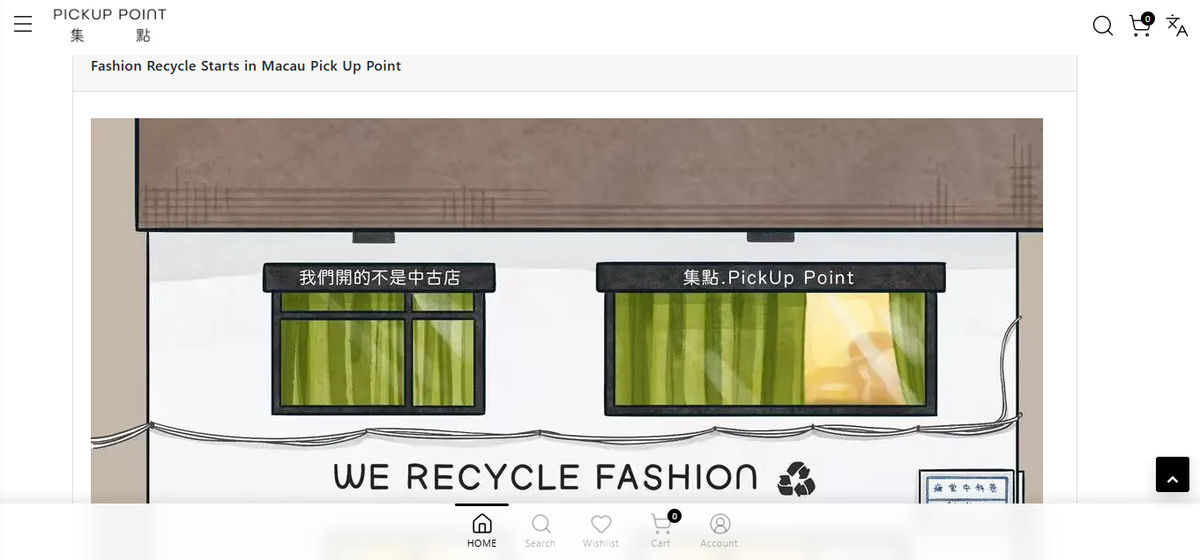
Pick Up Point is a second-hand shopping website focused on recycling fashion with an explicit authenticity guarantee for pre-owned items. It offers a curated selection of luxury handbags from numerous designer brands with clear percentage-based condition ratings (95% new, 90% new, 85% new). The platform supports global shipping, provides currency options in MOP or USD, and includes a 10% first-purchase discount using code PUPFIRST.
Key features
Explicit authenticity guarantee — It is a second-hand shopping website with an authenticity guarantee. This upfront commitment gives buyers immediate confidence in legitimacy without needing to dig through separate policy pages, offering clearer assurance than platforms where authentication details may be less prominently stated on the main site.
Percentage-based condition grading system — Items are rated with specific percentages such as 90% new, 95% new, 85% new, or 80% new. This granular, standardized system provides more precise expectations about wear and quality than vaguer descriptions on some competing sites, helping buyers avoid surprises with item condition upon arrival.
Extensive selection of luxury brands — The platform carries pre-owned bags from a broad range of designers, including Hermes, Chanel, Louis Vuitton, Gucci, Celine, Dior, Valentino, Givenchy, MIU MIU, Saint Laurent, Prada, Fendi, Burberry, Bottega Veneta, Chloé, Loewe, and many others. This wide variety increases the chances of finding specific or rare models compared to more limited inventories on some platforms.
Global shipping— Explicitly supports worldwide shipping, making pre-owned luxury bags accessible to international buyers without geographic restrictions that may apply elsewhere. This expands options for collectors outside primary markets and provides a straightforward path for cross-border purchases.
First-purchase 10% discount with code PUPFIRST — New buyers receive 10% off their initial order using this code. This immediate value incentive lowers the entry cost for trying verified pre-owned luxury pieces, offering better upfront savings than platforms without prominent new-customer promotions.
Dual-currency support ( MOP and USD ) — Shoppers can view and transact in either currency. This flexibility reduces friction for buyers across different regions, compared to single-currency platforms that may require manual conversions or incur additional fees.
Organized categories for targeted browsing — Products are categorized clearly (eg, all bags, small leather goods), allowing efficient searches for specific types of pre-owned luxury handbags. This structured navigation helps buyers quickly locate relevant items without sifting through unrelated fashion categories.
Clear product examples with condition and pricing — Listings include specific details like pricing in MOP. These transparent, example-driven listings give concrete references for quality and value, supporting more informed decisions than platforms with less consistent item-level detail.
Emphasis on recycling and second-hand fashion — The platform positions itself around recycling fashion while maintaining quality standards. This focus highlights the circular-economy benefits of pre-owned luxury bags, appealing to buyers who value sustainability alongside authenticity in ways that may be less central on other sites.
Online-first accessibility with buyer-friendly promotions — The entire experience is built around an easy-to-navigate website with visible discounts and guarantees. This streamlined digital approach can feel more welcoming for new or international buyers seeking pre-owned luxury bags without complex processes.
Pros
Strong, upfront authenticity guarantee builds immediate buyer trust.
Precise percentage-based condition ratings offer superior transparency on item quality.
Broad brand selection and clear categorization improve the discovery of desired luxury bags.
Global shipping and dual-currency options enhance accessibility for international shoppers.
A first-purchase discount provides tangible savings and encourages users to try the platform.
Focus on recycling adds an appealing sustainability angle to pre-owned purchases.
Cons
Pricing and examples are shown primarily in MOP, which may involve conversion for some international users.
Accessibility
Pickuppoint is accessible entirely through its official website at https://pickuppoint.mo/ , with global shipping options that support purchases from most locations. Buyers can browse categories, view condition-rated items, select currency (MOP or USD), and apply the PUPFIRST discount code directly on the site. No physical retail locations or mobile app are mentioned, making it a straightforward web-based experience optimized for online discovery and international delivery of pre-owned luxury bags.
2. The RealReal
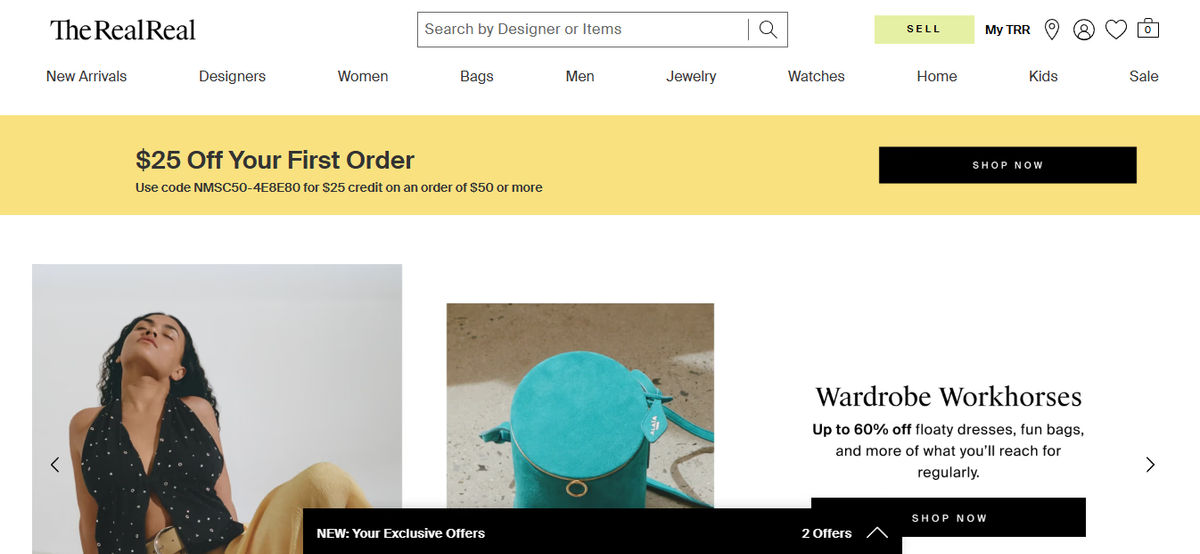
The RealReal is a leading authenticated pre-owned luxury consignment platform combining online shopping with physical retail locations. In-house authentication experts inspect every item, and detailed condition reporting with high-resolution photography ensures transparency. The platform offers extensive inventory across Hermès, Chanel, Louis Vuitton, Gucci, and other luxury brands, with frequent sales and a mobile app for convenient browsing and purchasing.
Features
In-house team of authentication experts who inspect every item for authenticity and quality.
Detailed condition reporting and high-resolution photography for accurate buyer expectations.
Extensive inventory spans Hermes, Chanel, Louis Vuitton, Gucci, and many other luxury brands.
Integration of online shopping with physical store locations in major US cities for in-person viewing or pickup options.
Transparent pricing with frequent sales and value-focused edits on pre-owned bags.
Mobile app for convenient browsing, purchasing, and account management on the go.
Established a return policy supporting buyer confidence in online luxury purchases.
Pros
Rigorous in-house authentication and detailed condition reports eliminate doubts about legitimacy. The combination of online platforms and physical stores in major US cities allows flexible inspection before purchase. A wide selection and regular promotions deliver strong value, while a proven track record of authenticating luxury goods builds trust for repeat purchases.
Cons
Primarily US-focused physical presence limits in-person access for international buyers. The consignment model can result in variable inventory turnover for sought-after pieces. Pricing, while competitive during sales, may exceed that of peer-to-peer marketplaces for comparable items.
3. Rebag
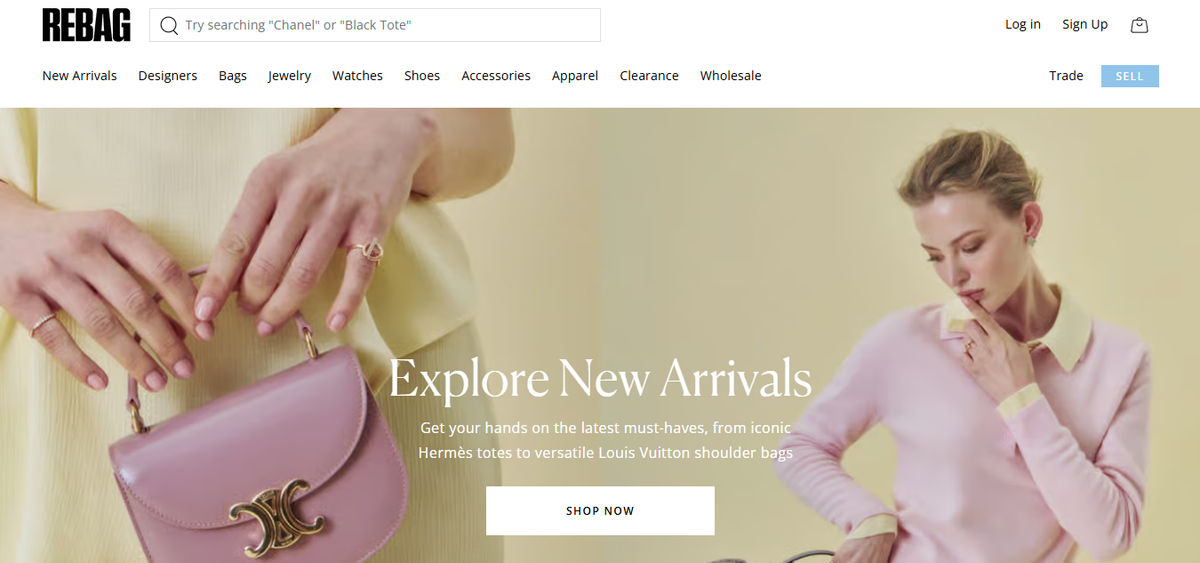
Rebag specializes in carefully vetted pre-owned luxury handbags, watches, and accessories, with transparent pricing and quality assurance. It provides authenticated designer pieces with clear condition assessments and reliable service standards.
Features
Expert vetting and authentication process for every pre-owned luxury bag.
Clear condition descriptions paired with professional photography to set accurate expectations.
Curated selection of iconic brands such as Chanel, Hermes, Louis Vuitton, and Gucci.
Pricing transparency tools that help buyers compare value against retail or market rates.
Options for both online shopping and select physical retail partnerships (e.g., Bloomingdale's locations).
Emphasis on quality control to minimize issues with authenticity or condition upon arrival.
Support for international considerations through shipping and platform accessibility.
Pros
Strong checking and transparent condition reporting reduce risks of mismatched items.
Pricing clarity helps buyers secure fair deals without hidden surprises.
Physical retail touchpoints in partner stores enable in-person viewing.
Streamlined platform supports quick browsing and confident purchasing.
Specialization in bags and accessories makes targeted luxury handbag searches efficient.
Cons
Selection may emphasize popular or current models over rare vintage pieces.
Pricing is transparent but reflects premium positioning compared to broader marketplaces.
Physical locations limited to select U.S. partnerships rather than widespread standalone stores.
4. Vestiaire Collective
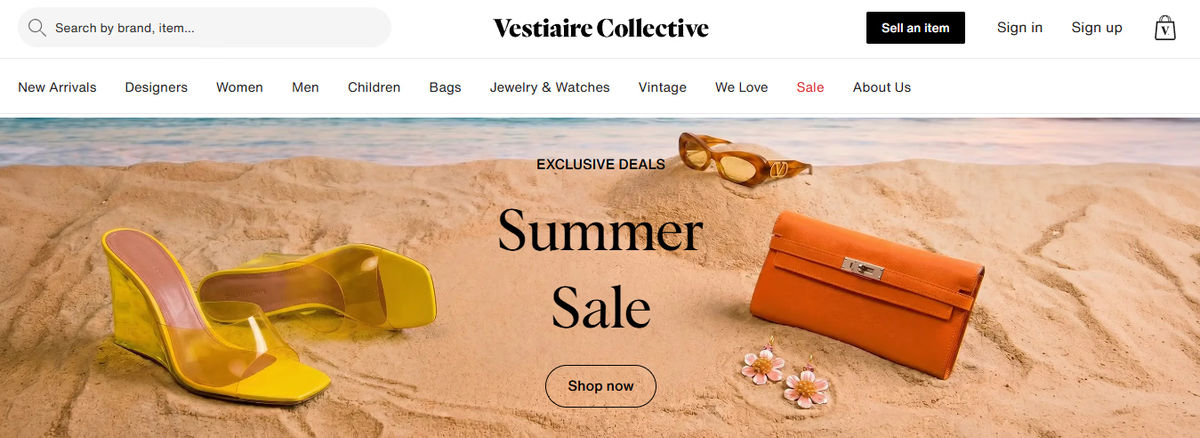
Vestiaire Collective is a global authenticated marketplace for pre-owned luxury fashion, connecting buyers with verified sellers worldwide. It specializes in handbags and accessories from designers including Hermès, Chanel, Louis Vuitton, and Gucci, with quality standards that ensure confidence when purchasing pre-loved items.
Features
An authentication process is applied to listed pre-owned luxury bags to protect buyers.
Detailed seller-provided descriptions and photos supplemented by platform standards.
Vast international selection including emerging designers.
Community-driven marketplace with fixed-price and negotiation-style buying options.
Global shipping network facilitating cross-border purchases.
Filtering tools by brand, condition, price, and style.
Focus on sustainability through pre-owned luxury offerings.
Pros
Authentication and platform standards address authenticity concerns in pre-owned luxury buying.
An extensive global inventory increases the likelihood of finding specific or hard-to-find models.
International shipping and community aspects provide broader access and competitive pricing.
Filtering tools help buyers find well-described items that match their criteria.
Pre-owned focus supports value-driven purchases with environmental benefits.
Cons
Peer-to-peer elements can lead to variability in seller responsiveness and item presentation.
Authentication standards may differ slightly from fully in-house expert models on some items.
Shipping times and costs vary by seller location, complicating urgent orders.
5. Yoogi's Closet
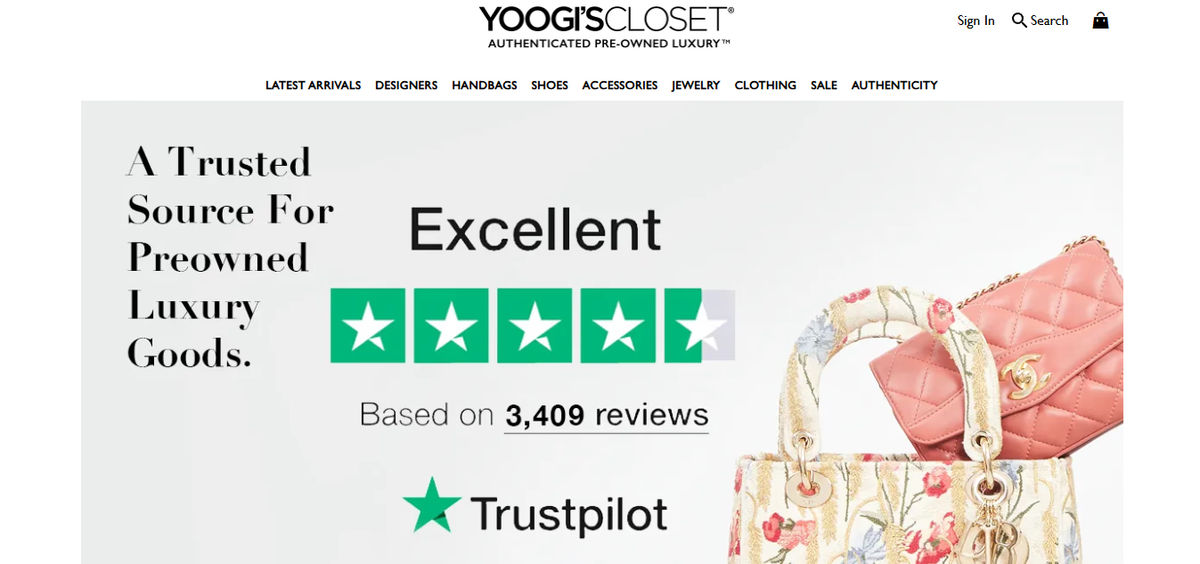
Yoogi's Closet specializes in authenticated pre-owned luxury handbags, watches, and accessories with careful quality verification and buyer-friendly processes.
Features
Dedicated authentication to verify pre-owned luxury bags before listing.
Thorough condition assessments and imagery for transparent buyer information.
Targeted inventory of luxury brands including Chanel, Hermès, Louis Vuitton, and Gucci.
Streamlined online shopping experience optimized for discovering specific styles and models.
Quality control standards are maintained across listings.
Secure purchasing with reliable packaging and delivery.
Platform highlighting both popular and hard-to-find pre-owned items.
Pros
Authentication focus and detailed condition information prevent misrepresented items.
A specialized handbag focus makes it more efficient to search for specific luxury models.
A quality-oriented approach builds higher buyer confidence in pre-owned luxury.
A user-friendly site supports easy navigation and informed decisions for high-value purchases.
Attention to presentation and service addresses common frustrations with inconsistent online luxury experiences.
Cons
Curated inventory may limit ultra-rare finds compared to massive general marketplaces.
Pricing reflects authenticated luxury positioning rather than the lowest peer-to-peer rates.
Primarily an online model with limited or no physical retail locations for in-person inspection.
6. What Goes Around Comes Around
What Goes Around Comes Around (WGACA) is a leading destination for authenticated pre-owned luxury fashion, specializing in designer handbags and accessories. It combines online shopping with physical boutique locations, offering carefully curated, verified pieces that emphasize quality and heritage.
Features
Professional authentication for all pre-owned luxury bags.
Detailed condition assessments with professional photography and descriptions.
Strong selection of heritage brands including Chanel, Hermès, Louis Vuitton, and Gucci.
Both online and physical boutique shopping for in-person evaluation.
Vintage and rare pieces alongside contemporary luxury handbags.
Secure packaging and shipping protocols for high-value items.
Provenance and story documentation for select pre-owned bags.
Pros
Physical stores allow in-person inspection, reducing surprises about condition.
Rigorous authentication and heritage focus provide confidence in legitimacy and quality for investment-level pieces.
A curated selection helps locate specific or vintage models unavailable elsewhere.
Professional presentation and packaging minimize shipping-related damage.
A blend of online and offline options supports flexible buying experiences.
Cons
Premium positioning and physical retail overhead lead to higher prices than pure online alternatives.
Curated inventory leans toward higher-end pieces, limiting options for budget-conscious luxury buyers.
In-person locations are concentrated in select U.S. cities, primarily benefiting travel-ready shoppers.
7. ReKlaim
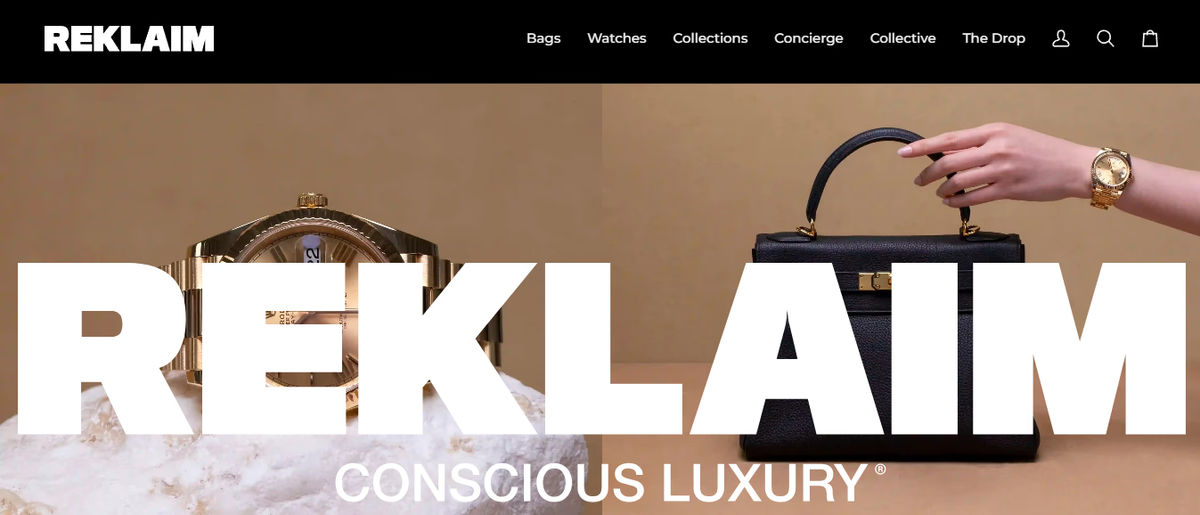
ReKlaim is a technology-driven marketplace for authenticated pre-owned luxury handbags and accessories that appeals to buyers seeking conscious luxury with verified authenticity, transparent processes, and curated designer items.
Features
Advanced technology-supported authentication for pre-owned luxury bags.
Clear condition transparency through detailed listings and visuals.
Focused inventory of designer handbags from major luxury houses like Chanel, Hermès, and Louis Vuitton.
Emphasis on conscious luxury and sustainability in the resale model.
Streamlined online platform optimized for discovery and purchasing.
Secure transaction and shipping practices for valuable items.
Tools that highlight value and provenance in listings.
Pros
Technology-enhanced authentication addresses counterfeit risks in pre-owned luxury goods.
Curated and transparent listings help buyers avoid condition mismatches and make informed choices.
A sustainability focus appeals to buyers valuing circular fashion and quality pieces.
Modern platform design supports efficient searching for specific bag models and styles.
Conscious luxury positioning sets it apart for buyers who prioritize ethical resale practices.
Cons
As a specialized platform, it may not offer the inventory depth for ultra-rare pieces that larger, established sites do.
Technology focus appeals primarily to digitally native buyers.
Newer positioning means fewer user reviews and shorter track records compared to established competitors.
8. 1stDibs
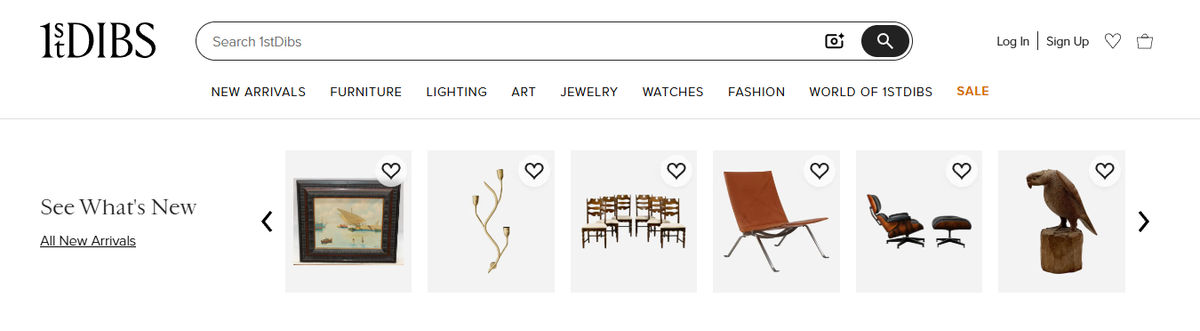
1stDibs is a high-end online marketplace for luxury pre-owned and vintage items, including designer handbags and accessories. It serves buyers seeking unique, authenticated pieces with an emphasis on quality, provenance, and curated secondary-market finds.
Features
Pre-owned luxury handbags that have been checked and authenticated by dealers from trusted sellers.
Detailed item descriptions, history, and high-quality photos for thorough evaluation.
A selection of rare vintage and current luxury brands, including Hermès, Chanel, and Louis Vuitton.
Platform tools for searching by designer, time period, condition, or specific features.
Secure purchasing with luxury packaging and delivery standards.
Focus on the origin of items and authenticity documentation for higher-value pieces.
Global reach with international shipping options.
Pros
Strong information about item provenance and detailed descriptions clarify questions about history and condition.
A curated selection helps identify rare or investment-grade luxury bags.
Dealer checking and platform standards provide multiple layers of trust in authentication.
Advanced search tools help you find specific models or styles.
Cons
Pricing reflects the premium, collector-focused inventory, which may exceed entry-level luxury budgets.
Marketplace models can introduce variations depending on individual dealers.
Focus on higher-end or vintage items may limit options for current-season designer bags.
9. Poshmark
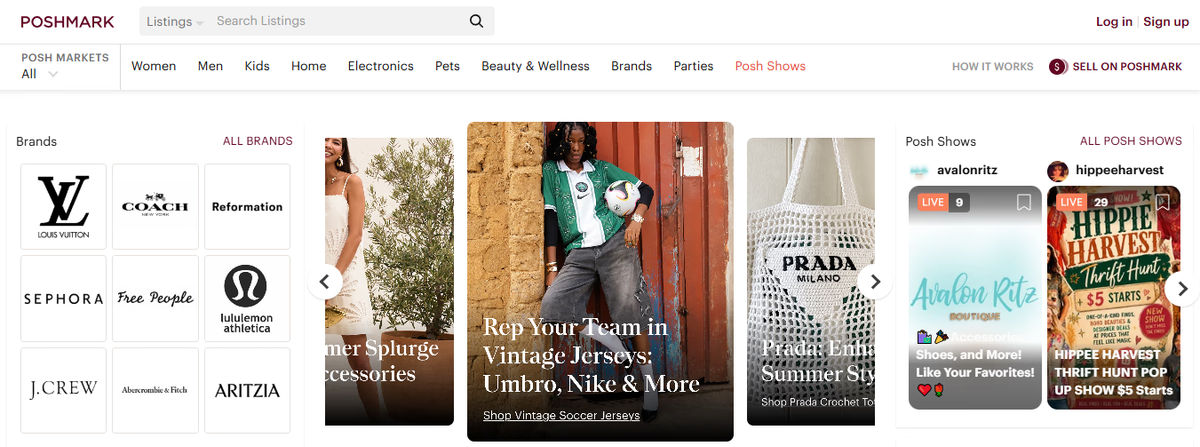
Poshmark is a social, peer-to-peer marketplace for pre-owned luxury handbags and fashion items. Its community-driven model emphasizes social discovery, negotiation, and access to diverse listings from individual sellers, with authentication options available for higher-value pieces.
Features
Social shopping experience featuring live shows and community interactions for discovering luxury bags.
Listings frequently include seller-provided authentication details or receipts for pre-owned luxury items.
Vast user-generated inventory covering brands like Chanel, Louis Vuitton, Gucci, and Hermès.
Built-in tools for offers, negotiations, and direct seller communication.
Shipping protection and tracking through the platform's system.
Mobile app supporting on-the-go browsing, purchasing, and social engagement.
Filtering options by brand, price, condition, and seller ratings.
Pros
Social and negotiation features enable better deals and direct communication for specific bag requests.
Large community inventories increase the chances of finding unique or hard-to-locate pre-owned models.
App and live elements make shopping engaging and convenient for modern buyers.
Seller ratings and platform protections build trust around condition and authenticity claims.
Flexible pricing through offers addresses value concerns in pre-owned luxury purchases.
Cons
Peer-to-peer networks introduce variability in authentication consistency and condition accuracy compared to fully curated platforms.
Reliance on individual sellers can lead to longer response times and shipping variations.
High listing volume requires greater buyer diligence to filter for verified luxury items.
10. eBay
eBay's Authenticated Luxury program provides buyers with a dedicated way to find verified pre-owned designer handbags through partner authentication services. It combines the platform's extensive marketplace reach with added safeguards for high-value luxury items, making it suitable for those seeking a broad selection and competitive pricing.
Features
Authentication through eBay's partnered program for eligible pre-owned luxury bags.
Detailed seller listings with photos, condition notes, and authenticity documentation.
Massive selection spanning thousands of listings for brands like Louis Vuitton, Chanel, Hermes, and more.
Buyer protection programs and payment security for luxury transactions.
Advanced search filters by brand, model, condition, price, and seller metrics.
Global shipping options through eBay's international network.
Integration of reviews, seller ratings, and dispute resolution tools.
Pros
An authenticated program adds verification layers that mitigate counterfeit risks on a large marketplace.
Enormous inventory volume improves the odds of finding specific or rare bag models at competitive prices.
Buyer protections and dispute tools provide recourse for condition or authenticity issues.
Flexible searching and global reach support targeted international purchases.
Established platform infrastructure ensures reliable payment and tracking for luxury buys.
Cons
Even with authentication, the broader marketplace can include non-authenticated listings that require careful filtering.
Variable seller quality means buyers must review ratings and details diligently.
Shipping and handling can vary significantly depending on the individual seller.
How PICKUPPOINT Makes Buying and Selling Luxury Bags Safer
Buying a luxury bag should feel as safe and confident as buying from a boutique. Most resale platforms focus on selling a lot of items instead of checking if they are real, which leaves buyers taking on risk and sellers feeling unsure.
"Most resale platforms prioritize volume over verification — leaving buyers exposed to risk and sellers without the confidence they deserve." — PICKUPPOINT
🎯 Key Point: The real problem with luxury resale isn't availability — it's trust. Platforms that prioritize quantity over authenticity put every transaction at risk.
⚠️ Warning: If a resale platform doesn't have a clear authentication process, you are always the one absorbing the risk as a buyer.
Platform Priority | Impact on Buyers | Impact on Sellers |
|---|---|---|
Volume-first platforms | High risk of receiving fakes | Uncertainty about fair pricing |
Verification-first platforms | Confident purchases | Trusted listings that sell faster |
PICKUPPOINT | Boutique-level safety | Full confidence in every sale |
✅ Best Practice: Always choose a luxury resale platform that treats authentication as a non-negotiable standard — not an optional add-on.
Where most platforms quietly fail
The failure point is the gap between what a listing says and what arrives at your door. Buyers consistently report receiving items with undisclosed wear, mismatched hardware, or vague condition descriptions. At $2,000 or $8,000 a bag, carelessness costs the same as fraud.
How do Fashionphile competitors handle verification differently?
Pick Up Point addresses this by checking items before they reach buyers. Every listing has standardized condition ratings, specific material details, and brand-accurate descriptions. This distinction separates a platform that transfers risk from one that absorbs it. Most buyers handle this by cross-referencing photos, reading seller histories, and hoping for the best. When it fails on a Chanel or Hermès bag, the financial exposure is serious. According to Business Insider, Chanel bags have increased in price by over 70% in the last five years, raising the stakes of authentication errors. Platforms like Pick Up Point close that gap through structured verification and end-to-end transaction management, eliminating the burden of due diligence from the buyer.
What makes the seller experience different
Sellers face their own worry: shipping a high-value bag to a stranger without guaranteed payment. Pick Up Point's structured process holds transaction commitments until conditions are met, allowing sellers to protect themselves during closing. Business Insider reports that classic luxury handbags retain up to 80% of their original retail price when the right buyer finds the listing. Pick Up Point's curated, globally accessible inventory connects verified items with serious buyers. A focused marketplace with authenticated stock outperforms bloated platforms where trust becomes the buyer's burden.
Get your Next Luxury Purchase from PICKUPPOINT
Buying pre-owned luxury should feel like a confident decision, not a calculated risk. Second hand designer prioritizes authentication, transparent condition grading, and curated selection over volume, setting it apart from crowded Fashionphile alternatives.
"Buying pre-owned luxury should feel like a confident decision, not a calculated risk — authentication, transparency, and curation are what separate trusted platforms from the rest." — PickUpPoint
💡 Tip: When shopping pre-owned luxury, look for platforms offering explicit condition grading and rigorous authentication processes. These are non-negotiable markers of trustworthy resale.
⚠️ Warning: Luxury resale platforms vary significantly. Volume-first marketplaces often sacrifice quality control and authentication standards. Prioritize curated selection over sheer quantity.
Pick Up Point commits to sustainability that most luxury resale platforms simply ignore. Choosing pre-owned designer pieces actively reduces fashion waste, and the platform reinforces this commitment through wardrobe recycling and styling services — making it far more than a standard resale marketplace.
Feature | Pick Up Point | Typical Resale Platforms |
|---|---|---|
Authentication | ✅ Rigorous & verified | ⚠️ Inconsistent |
Condition Grading | ✅ Transparent & detailed | ⚠️ Vague or absent |
Sustainability Focus | ✅ Wardrobe recycling included | ❌ Rarely prioritized |
Styling Services | ✅ Available | ❌ Not offered |
Curated Selection | ✅ Quality over volume | ❌ Volume-first approach |
Visit https://pickuppoint.mo/ to explore authenticated luxury bags , start a consignment , or find a smarter way to buy and sell designer pieces you can truly trust.
🎯 Key Point: Pick Up Point is not just a resale platform — it's a full-circle luxury ecosystem combining authentication , sustainability , and styling support in one trusted destination.
✅ Best Practice: Use Pick Up Point's consignment service to simultaneously reduce fashion waste and unlock the resale value of designer pieces sitting unused in your wardrobe.