


How to Tell if a Hermès Bag Is Real: 10 Key Signs to Watch For
How to tell if an Hermès bag is real? Pick Up Point reveals 10 expert signs that separate authentic Birkins from clever fakes.
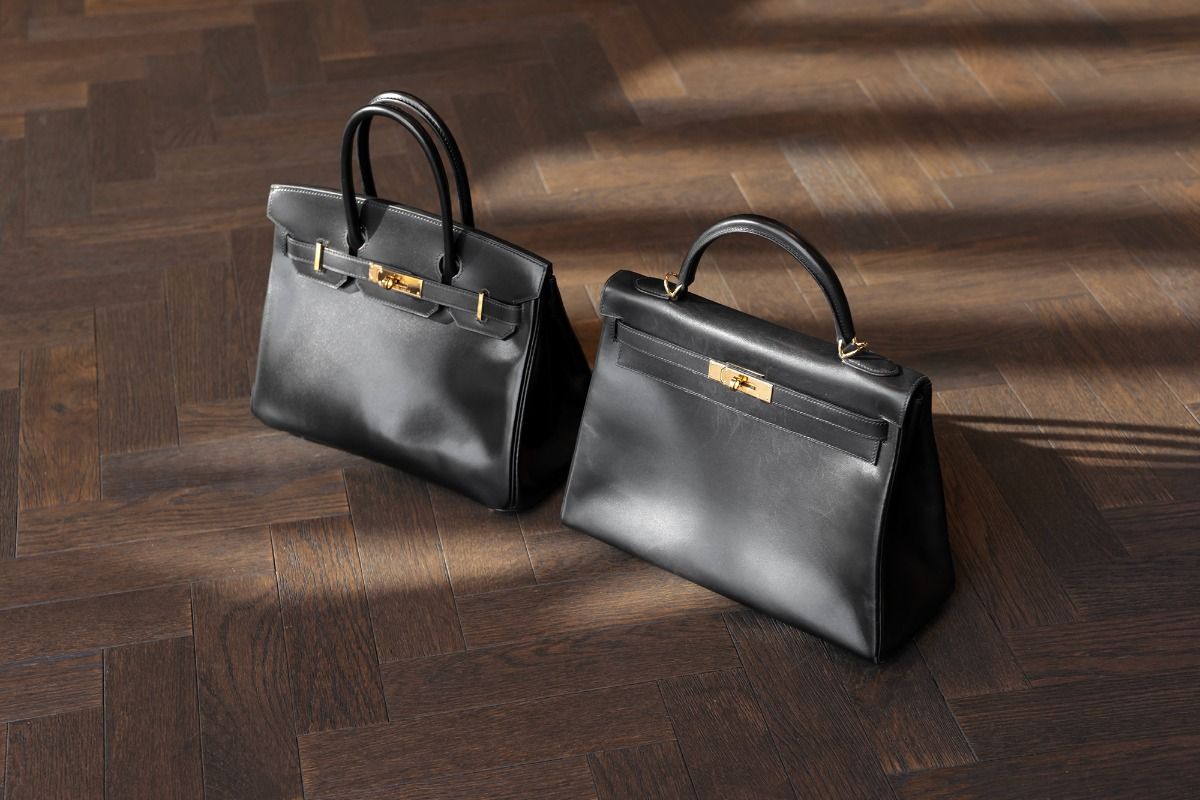
Counterfeit Hermès bags flood the resale market, and even experienced buyers can be fooled by convincing replicas. Knowing what to look for, from stitching consistency and hardware quality to date stamps and leather texture, makes the difference between a smart purchase and a costly mistake.
Luxury consignment offers real value, but only when the authentication process is thorough and reliable. For buyers who want a genuine Hermès without the stress of verifying every detail themselves, shopping through a trusted second hand designer platform is the most practical place to start.
Table of Contents
What Makes Hermès Bags So Frequently Counterfeited?
Why Is It Important to Know if a Hermès Bag Is Real?
Do Authentic Hermès Bags Come With Authenticity Cards or Receipts?
10 Key Signs a Hermès Bag Is Real
Professional Tips for Authenticating a Hermès Bag Before You Buy
How PICKUPPOINT Helps You Buy and Sell Authentic Hermès Bags
Get your Next Luxury Purchase from PICKUPPOINT
Summary
The counterfeit luxury goods market reached $450 billion in 2023, with Hermès among the most targeted brands. Birkin and Kelly bags are particularly vulnerable because Hermès controls supply so tightly that access to boutiques requires years of purchase history and cultivated relationships. That deliberate scarcity pushes buyers toward secondary markets, where counterfeiters position themselves as the path of least resistance.
Up to 90% of Hermès Birkin and Kelly bags sold online are not genuine, according to Baghunter, which means convincing fakes have become the statistical norm in resale rather than the exception. Counterfeiting operations have grown sophisticated enough to include professional photography, precise hardware replication, and even forged documentation designed to exploit buyer psychology. What once fooled only inattentive shoppers now regularly fools careful buyers who lack specific technical knowledge.
Authentic Hermès bags do not come with authenticity cards of any kind. The brand has never issued them, and the presence of any orange card or laminated certificate should raise suspicion rather than provide reassurance. Counterfeiters manufacture exactly the documentation they know buyers expect, which means paper trails can be fabricated while construction details cannot.
The financial stakes of buying a fake extend well beyond the purchase price. Resale values for genuine Birkin bags have risen by approximately 15% since 2021, with many pieces trading at or above boutique retail prices. A verified pre-owned Birkin functions as a liquid asset, while a counterfeit sits permanently outside every legitimate resale channel, cannot be repaired through official facilities, and is destroyed rather than returned if submitted to Hermès directly.
Hermès produces only around 70,000 Birkin bags per year worldwide, which means genuine pieces are genuinely scarce on the secondary market. Pre-owned Birkin bags can sell for up to three times their original retail price, making a verified pre-owned purchase a financially sound decision rather than a compromise. The investment case and the environmental case for buying authenticated second-hand Hermès point in the same direction.
PICKUPPOINT's second hand designer platform addresses the core problem in the resale process by completing authentication before a listing goes live, so buyers never have to carry that burden themselves.
What Makes Hermès Bags So Frequently Counterfeited?
Hermès bags sit at a rare intersection: they are both wildly desirable and deliberately hard to get. This combination makes them the perfect target for counterfeiters, who profit from the brand's prestige and the frustration built into the official buying experience.
"Hermès bags are both wildly desirable and deliberately hard to get: a combination that makes them an irresistible target for the counterfeit market." — Key Industry Insight
🎯 Key Point: The things that make Hermès bags so coveted — exclusivity, scarcity, and prestige — are also what motivate counterfeiters to replicate them.
⚠️ Warning: The gap between demand and supply in the official market frustrates buyers and fuels a thriving counterfeit economy that preys on that frustration.

The scarcity model creates a black market by design
Hermès controls supply with unusual discipline. Birkin and Kelly bags require a purchase history, a relationship with a sales associate, and patience measured in years rather than weeks. This friction pushes determined buyers toward secondary markets, where counterfeiters position themselves as the shortcut.
The worldwide counterfeit trade reached approximately $467 billion in 2021, according to OECD data, with clothing, footwear, and leather goods comprising 62 percent of seized items. Hermès bags are prime targets because their prestige translates directly into resale value and social capital, encouraging organized production networks to focus efforts there. The gap between what buyers want and what boutiques will sell them is the opening counterfeiters exploit.
Why does demand for fake Hermès bags span every income level?
The idea that only budget-conscious consumers buy fake products is wrong. CP24 and CTV News report that fake Hermès Birkin bags are among the most copied luxury goods, popular across all income levels, including wealthy buyers. People are buying status, not leather. When the social signal matters more than the item itself, the incentive to counterfeit increases with cultural importance rather than price.
How do counterfeit profit margins fund increasingly convincing fakes?
Real bags cost thousands of dollars at retail, with rare ones commanding even higher prices. A counterfeiter who replicates 30 percent of a genuine bag's appearance can still sell it at a price attractive to consumers seeking the look without the cost or wait. Profits from convincing fakes fund professional operations, high-quality photography, and increasingly accurate reproductions of bag hardware.
How to tell if a Hermès bag is real when buying online?
Most shoppers rely on listing photos, seller descriptions, and gut instinct—an approach that fails when the difference between real and fake comes down to a single stitch's angle or a brass clasp's weight. Platforms like Pick Up Point's second hand designer marketplace address this by authenticating each bag before it reaches the buyer, removing the burden of expertise from people who want a verified piece.
Craftsmanship creates the illusion of achievability
Each authentic Hermès bag is handmade by a single artisan, using vegetable-tanned leathers, hand-saddle stitching with linen thread, and hardware that is individually engraved and palladium- or gold-plated. These details are functional markers that age in specific, traceable ways. Counterfeiters study them obsessively because copying them adds perceived legitimacy. The production quality of counterfeits has risen sharply over the past decade: what once fooled only the inattentive now fools careful buyers who lack knowledge of what to look for. The gap between "looks right" and "is right" is where the real cost lives.
Related Reading
Why Is It Important to Know if a Hermès Bag Is Real?
Knowing whether a Hermès bag is genuine protects your wallet, resale value, and your ability to confidently repair and stand behind your purchase.
"The counterfeit luxury goods market costs the industry billions annually — and unsuspecting buyers bear the real financial burden." — Global Brand Counterfeiting Report
🚨 Warning: Purchasing a fake Hermès bag can mean losing thousands of dollars with zero recourse — counterfeit sellers offer no returns, no repairs, and no authenticity guarantees.
💡 Tip: Always verify authenticity before buying — whether purchasing from a boutique, reseller, or private seller. A genuine Hermès piece holds and often grows in resale value, while a counterfeit is worth nothing on the secondary market.
What's at Stake | Authentic Bag | Counterfeit Bag |
|---|---|---|
Resale Value | High — appreciates over time | Worthless |
Repair Eligibility | Hermès will service it | Refused by Hermès |
Financial Protection | Secure investment | Total loss risk |
Peace of Mind | Complete | None |

Financial Loss That Cannot Be Undone
The failure point is usually the moment of purchase, not what comes after. Buyers who unknowingly acquire counterfeit Birkin or Kelly bags discover the damage only when they try to resell, repair, or authenticate the piece. By then, every avenue closes. Reputable resale platforms reject the bag outright. Official Hermès facilities seize and destroy it under French law, with no compensation to the owner. The capital is lost, and there is no secondary market to recover even a fraction of it.
Large-scale seizures, such as the destruction of 16,000 fake Hermès bags valued at $210 million in a single U.S. operation, highlight the industrial scale of these networks. Buyers unknowingly support systems that harm communities and undermine the legitimate artisans behind real Hermès craftsmanship. This statistic reveals a market where convincing fakes have become the norm rather than the exception.
What You Actually Lose Beyond the Price Tag
The cost of a fake Hermès bag extends beyond the purchase price. Real Hermès items retain their value over time, whereas counterfeits do not. One woman paid £23,000 for a Birkin she believed was authentic, only to have experts confirm it was fake, leaving her with a total loss. A genuine, pre-owned Birkin can be resold for significant value. A counterfeit cannot: it deteriorates without access to official repairs, its hardware degrades over time, and it cannot be sold through any legitimate resale channel.
Why does knowing how to tell if a Hermès bag is real protect your investment?
Most buyers overlook authentication as a critical component of the purchase. Understanding how to read the blind stamp, check the saddle stitching, evaluate the hardware weight, and verify the date code helps you determine what you're buying before payment. Platforms like Pick Up Point that specialize in second hand designer goods integrate authentication into their process, allowing buyers to access verified pre-owned Hermès pieces without becoming leather experts first.
The Ethical Weight of the Decision
Buying a fake Hermès bag funds counterfeiting networks connected to organized crime. Police operations have discovered factories producing tens of thousands of counterfeit bags. Purchasing authentic, pre-owned Hermès bags from trusted sellers avoids supporting these networks, supports the artisans whose craftsmanship creates value, and ensures quality goods circulate responsibly. Authentication is the first step of conscious ownership, and what follows reveals how surprising the process can be, even for experienced buyers.
Do Authentic Hermès Bags Come With Authenticity Cards or Receipts?
Real Hermès bags do not come with authenticity cards—not laminated inserts, plastic cards, or certificates of any kind. According to Ginza Xiaoma's complete guide to spotting fake Hermès products, the brand has never issued them. Authentication lives in the object itself, not in accompanying paperwork.
"The brand has never issued authenticity cards, laminated inserts, or certificates of any kind. If it has one, that's your red flag." — Ginza Xiaoma
🔑 Takeaway: Hermès omits authenticity cards because the brand's craftsmanship is the only proof that matters. Any card is suspect.

Counterfeiters take advantage of what buyers expect by producing documentation that other luxury brands provide. An orange plastic card tucked into a box shows that someone understood what you were looking for well enough to trick you. The presence of any such card should make you suspicious.
⚠️ Warning: If your bag came with an authenticity card, a laminated certificate, or any form of branded paperwork claiming verification, this is not a sign of legitimacy—it is a classic counterfeit red flag.
✅ Best Practice: When evaluating a Hermès purchase, focus on the hardware quality, stitching consistency, and leather craftsmanship—never on paperwork.
What about store receipts?
Hermès bags purchased from stores come with receipts, but receipts are supplementary information, not proof. They are faked, separated from their original bags, and paired with counterfeit bags in the resale market. A buyer received paperwork claiming a 2013 Paris store purchase for a Kelly bag; professional authentication later revealed construction problems, proving the bag was counterfeit despite the paperwork appearing authentic. Paper trails can be fabricated. Construction details cannot.
Where does authentication fit into determining whether a Hermès bag is real?
Many buyers use platforms that authenticate items before purchase. Buying secondhand through private listings and checking authenticity yourself creates a gap where expensive mistakes can occur. Platforms like Pick Up Point integrate authentication into the buying process, so you know the item is genuine before paying.
The one exception worth knowing
Bags made from exotic skins like crocodile, ostrich, or lizard come with CITES permits: wildlife trade compliance documents required by international law, not brand-issued authenticity certificates. Their presence confirms legal sourcing and cross-border trade, but says nothing about whether the bag itself is genuine Hermès. Counterfeiters now include fake CITES paperwork, so even this exception requires scrutiny.
Why does craft matter more than paperwork when you want to tell if a Hermès bag is real?
Hermès places its confidence entirely in craft, not in certificates, because paper is easy to copy, but hand-stitched saddle stitching at precise tension is not. Learning to read the object rather than the paperwork is the foundation of conscious ownership: the difference between buying with clarity and buying with hope. Knowing what documentation to trust is only part of the picture; what comes next might change how you think about buying authenticated Hermès.
Related Reading
10 Key Signs a Hermès Bag Is Real
Authenticating a Hermès bag requires examining the entire bag rather than relying on a single detail. Counterfeiters can copy logos, packaging, and receipts, but reproducing Hermès' craftsmanship, materials, and construction with complete accuracy remains extremely difficult. The following signs are the characteristics that luxury authentication experts examine when determining whether a Hermès bag is genuine.
"Counterfeiters can replicate logos and packaging, but Hermès' craftsmanship, materials, and construction remain the gold standard that no fake has fully mastered." — Luxury Authentication Experts
💡 Tip: Never authenticate a Hermès bag based on one single feature alone — always evaluate the complete picture of craftsmanship, materials, and construction together.
⚠️ Warning: Receipts, dust bags, and packaging can all be forged. Relying on accessories alone is one of the most common mistakes buyers make when verifying authenticity.
Authentication Factor | What Counterfeiters Can Copy | What They Cannot Replicate |
|---|---|---|
Logos & Stamps | Basic logo shape and font | Precise blind stamp depth and placement |
Packaging & Receipts | General appearance | Authentic paper quality and details |
Stitching | Visual appearance from a distance | Saddle-stitch tension and hand-stitched consistency |
Materials | Surface texture in photos | True leather quality, smell, and aging |
Hardware | Color and shape | Weight, finish, and engraving precision |

1. Sharp Embossed Logo Stamp Under the Flap
The front logo stamp reading "Hermès PARIS" sits exactly below the flap stitching on authentic bags. Skilled workers press it cleanly into the leather with even spacing, consistent depth, and a thin accent on the "È." Counterfeit bags often display printed or uneven lettering positioned too high or lacking this sharp, clean appearance, revealing machine production rather than traditional handmade craftsmanship.
2. Precise Date Code Blind Stamp
Every authentic Hermès bag has a blind stamp with a letter indicating the year of manufacture and a number or symbol identifying the craftsperson. This mark appears in specific locations inside the bag, depending on the style and production date, and is stamped clearly without smudging. Counterfeit versions typically feature blurry, incorrect, or poorly formatted codes that appear flawed upon close inspection.
3. Even Hand Saddle Stitching
Craftsmen use saddle stitching on real bags, creating slanted, uniform stitches with consistent tension and no loose threads. Each stitch penetrates all layers of leather, producing a flat, seamless appearance. Imitations display irregular machine stitching that stands out and wears poorly.
4. Heavy, Precisely Engraved Hardware
Real hardware feels heavy and solid with sharp, clear engravings on locks, keys, and plates. The metal develops a natural patina over time, and parts like the toggle turn smoothly, like a fine watch mechanism. Fake hardware looks lighter with grainy, shallow, or misspelled markings that lack Hermès' refined finish.
5. Supple, High-Quality Leather with Natural Characteristics
Real leathers like Togo, Epsom, or Swift feel soft to the touch, with natural grain variations and a distinctive clean scent. They drape well and improve with age. Fake versions feel plastic-like, smell chemical, or display uniform artificial textures.
6. Symmetrical Overall Shape and Structure
Authentic Hermès bags maintain a structured, elegant shape with balanced proportions and no unwanted bulging. Handles align perfectly and rise straight when empty, a result of careful hand assembly. Counterfeit bags often display lopsided shapes, uneven bases, or floppy handles due to lower-quality construction.
7. Smooth, Buttery Interior Lining
Real bags feature lambskin or suede insides with a soft, smooth feel. They have precise edge binding and even stitching, with pockets and compartments that line up perfectly without wrinkles or gaps. Fake bags typically use rougher fabrics, uneven seams, or synthetic materials lacking this quality.
8. Matching Lock, Keys, and Clochette Details
On models with hardware closures, the lock and keys share identical engraved codes, and the small bell charm fits securely with precise alignment. These elements receive the same heavy brass treatment and hand-finishing as other components. Authentic sets operate smoothly without wobble, while replicas frequently mismatch codes, use lighter metals, or show rough edges that reveal mass production.
9. Quality Zipper and Pull Construction
Real zippers slide smoothly with a branded pull that runs straight along the track rather than flopping at sharp angles. The teeth fit together perfectly, and the leather around them blends in without bunching, allowing the bag to withstand everyday use while maintaining its polished look. Fake zippers often get stuck, feel rough, or have loose pulls due to careless manufacturing.
10. Natural Patina and Aging Characteristics
Real hardware and leather develop a patina that improves their appearance over time without cracking or discoloration. High-quality materials and stitching keep the bag strong through years of use, whereas fake bags fall apart unevenly, with coatings that peel, colors that fade, or hardware that tarnishes quickly—a significant difference when selling the bag later.
Professional Tips for Authenticating a Hermès Bag Before You Buy
Buying a Hermès bag is a big investment. A careful authentication check to make sure it's real protects you from costly mistakes and makes sure you're paying for genuine Hermès craftsmanship instead of a fake. These professional tips show the best practices that trusted resale platforms and authentication experts use.
"A careful check to make sure it's real protects you from costly mistakes and makes sure you're paying for genuine Hermès craftsmanship instead of a fake." — Authentication Experts
🎯 Key Point: Authentication is non-negotiable when purchasing a Hermès bag — every detail matters, from stitching to hardware.
⚠️ Warning: Never skip a professional authentication step on a high-value Hermès purchase — the cost of a fake far outweighs the cost of due diligence.
Authentication Factor | What to Check | Why It Matters |
|---|---|---|
Craftsmanship | Stitching consistency & spacing | Genuine Hermès uses precise, hand-stitched seams |
Hardware | Weight, engravings & finish | Authentic hardware is noticeably heavier and flawless |
Blind Stamp | Date code & artisan letter | Confirms official Hermès production and year |

Research Seller Reputation Thoroughly
Check the seller's history, customer reviews, and return policies before purchasing. Good dealers clearly display their authentication process and maintain detailed records of their verification methods. This reveals whether the seller is reliable or shows warning signs, such as complaints about counterfeit items, helping you avoid hasty decisions on secondary markets.
Examine Stamps and Markings in Natural Light
Look at the raised "Hermès PARIS" logo and blind date stamps under bright, even light. The letters should be sharp, correctly placed, and consistently deep. Authentic marks blend smoothly into the leather without blurring or misalignment. Professional authenticators compare these codes against production timelines to identify fakes that use shallow copies.
Assess Hardware Weight and Engraving Quality
Pick up and turn metal parts to feel their weight and test how smoothly they work (zippers, locks). Real engravings look sharp and exact with matching codes on keys and hardware. Light pieces or rough finishes indicate counterfeit items.
Verify Leather Quality and Construction Details
Run your hands over the leather to check that it feels soft and smooth, has a natural grain pattern, and displays consistent color throughout. Examine the stitching to ensure it follows an even saddle-stitch style and the bag is assembled symmetrically. Real bags feature perfect interior linings that extend their lifespan; these handmade details distinguish them from counterfeit bags that feel stiff or uneven.
Utilize Trusted Platforms with Built-in Guarantees
Platforms like Pick Up Point offer authenticated pre-owned luxury goods with rigorous verification prior to global shipping, supporting sustainable fashion while providing assurances that align with professional standards for high-value transactions.
Request Professional Third-Party Authentication
Bring in independent experts or services for a complete evaluation if you have doubts after your initial checks. These professionals use specialized tools and experience to identify differences that regular inspections miss, providing objective confirmation—especially for purchases made outside official channels.
How PICKUPPOINT Helps You Buy and Sell Authentic Hermès Bags
Reading the object rather than the paperwork is a skill. Knowing where to take that skill next is a different challenge entirely — and that's precisely where PICKUPPOINT steps in to bridge the gap between authentication expertise and trusted marketplace access.
🎯 Key Point: Authenticating a Hermès bag is only half the battle — finding a safe, verified platform to buy or sell is where most collectors struggle.
"The difference between a confident transaction and a costly mistake often comes down to where you choose to buy or sell — not just what you know." — PICKUPPOINT Platform Insight
💡 Tip: Whether you're a seasoned collector or a first-time buyer, always prioritize platforms that combine expert authentication, transparent seller vetting, and buyer protection policies in one place.
Challenge | PICKUPPOINT Solution |
|---|---|
Spotting fakes | Expert-verified authentication process |
Finding trusted sellers | Vetted seller network with verified listings |
Selling with confidence | Authenticated certificates to boost buyer trust |
Fair pricing | Market-aligned valuations for accurate listings |
⚠️ Warning: Selling or buying a Hermès bag on unverified platforms — no matter how well you know the object — puts your investment and reputation at serious risk.

Why is finding a trustworthy resale marketplace so difficult?
Most confident buyers still face one problem: finding a marketplace that authenticates listings before they go live. Searching across open resale platforms, cross-referencing seller feedback, and hoping that photographs tell the story consume hours and produce real anxiety. Buyers describe the experience as exhausting—a loop of second-guessing that never fully resolves before checkout.
The hidden cost is not time alone. When authentication lives entirely with the buyer, so does the risk. Sophisticated replicas now pass visual checks, meaning even experienced collectors occasionally get it wrong. Hermès produces only about 70,000 Birkin bags per year worldwide, and counterfeiters know exactly how much pressure that scarcity creates on buyers who want to act fast.
How does platform-level authentication change how we tell if a Hermès bag is real?
Pick Up Point shifts authentication responsibility from the buyer to a platform-level guarantee. Every item is checked before listing, confirming its authenticity before you see it. For sellers, this verification builds credibility upfront, accelerating inventory turnover and eliminating buyer skepticism. Pre-owned Hermès Birkin bags sell for up to 3 times their original retail price on the secondary market. Buying authenticated second-hand Hermès through Pick Up Point—a platform built around circular fashion—means choosing better with your eyes open and your values intact. The environmental case and the investment case align.
What practical advantages does PICKUPPOINT offer first-time buyers?
Pick Up Point offers 10% off your first purchase using code PUPFIRST and ships globally, removing the geographic limitation that pushes buyers toward riskier local listings. Verified authenticity and worldwide access provide a lower entry point, shifting the calculus for anyone considering the pre-owned Hermès market.
Related Reading
Get your Next Luxury Purchase from PICKUPPOINT
Knowing how to read a bag's stitching, hardware, and blind stamp gives you power. When you buy verified pre-owned Hermès through Pick Up Point, you're choosing to extend the life of a genuine, exceptional object while keeping it out of a landfill.
"Buying verified pre-owned luxury means investing in a genuine, exceptional object — and making a choice you can feel genuinely good about." — Pick Up Point
🔑 Takeaway: Understanding authentication markers like stitching quality, hardware finishing, and blind stamps is the most powerful tool a luxury buyer can have. Pick Up Point puts that knowledge to work for you.

First-time buyers can use code PUPFIRST for 10% off their purchase, a significant saving on exceptional value. The platform ships globally, making authenticated luxury accessible wherever you are. Browse the fully authenticated selection at Pick Up Point and make a purchase you can feel confident about.
💡 Tip: Use code PUPFIRST at checkout to unlock 10% off your first order.
✅ Best Practice: Always verify authentication credentials before purchasing pre-owned luxury. With Pick Up Point, every piece is rigorously verified before it reaches your hands.