


How to Spot a Fake Chanel Purse: 11 Authentication Tips
How to spot a fake Chanel purse before you buy. Pick Up Point shares 11 expert tips for authenticating your investment.
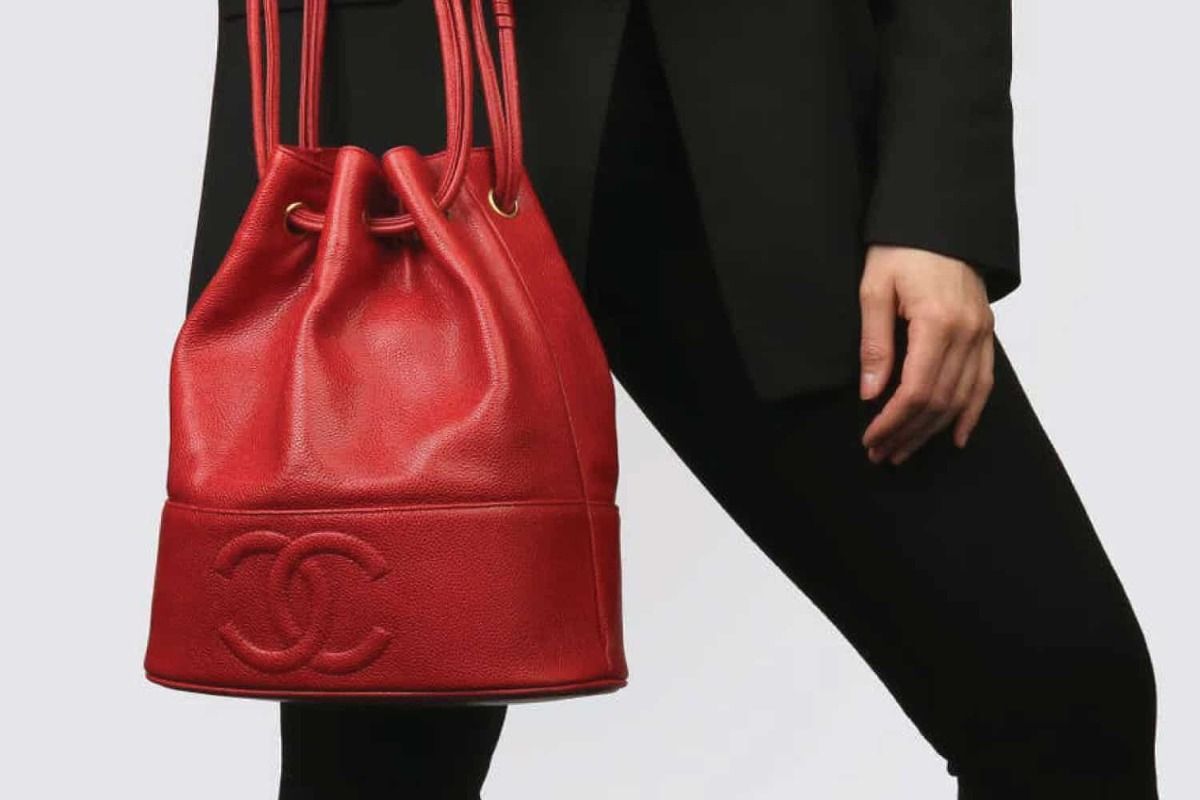
A Chanel purse is a serious investment, and counterfeiters have grown skilled enough to fool even careful buyers at first glance. Knowing which details to examine closely makes the difference between a genuine piece and an expensive mistake.
Authentication takes practice, and uncertainty is common when buying independently. For those who want that pressure removed, second hand designer platform Pick Up Point connects buyers and sellers through a trusted process where every piece is carefully verified before it changes hands.
Table of Contents
What Makes Chanel Purses One of the Most Counterfeited Luxury Bags?
Why Is It So Difficult to Spot a Fake Chanel Purse Today?
Which Chanel Bags Are Most Commonly Counterfeited?
11 Authentication Tips to Spot a Fake Chanel Purse
How PICKUPPOINT Helps You Buy and Sell Authentic Chanel Bags
Get your Next Luxury Purchase from PICKUPPOINT
Summary
Chanel holds a permanent position among the world's most counterfeited luxury brands, a status driven more by cultural recognition than by complexity. The Classic Flap and 2.55 are so universally recognizable that counterfeiters need only replicate the silhouette and key details to create a convincing product in casual settings. According to the Entrupy State of the Fake 2025 Report, Louis Vuitton and Chanel remain the top two most counterfeited luxury bags worldwide, a ranking they have held for years.
The financial incentive behind counterfeit Chanel production is significant. A retail Classic Flap now exceeds $10,000 in many markets, while superfake versions cost a fraction of that to produce and sell for hundreds or thousands to buyers who believe they are getting a legitimate deal. Counterfeit goods account for an estimated 2.5% of global trade, equivalent to $464 billion annually, with luxury handbags near the top of that figure. That margin does not shrink under enforcement pressure. It adapts.
Modern superfakes have closed the gap between fake and authentic to a point where human senses alone are no longer reliable. Counterfeit producers now source premium lambskin, calibrate stitch counts to match production records, and engrave hardware with correct font weight and depth. Since 2021, Chanel has embedded NFC microchips into authentication plates, but advanced replicas now include non-functional chips that pass visual checks and some entry-level scanner apps. The deception often does not reveal itself until months after purchase, when materials begin to fail in ways that were not visible at the point of sale.
Counterfeit production extends far beyond the Classic Flap. The Boy Bag, Chanel 19, and Wallet on Chain all attract heavy replica volume because they sit at the intersection of cultural visibility and strong resale value. Between 2010 and 2021, the price of a medium Classic Flap rose by approximately 140%, and that appreciation drew counterfeiters to every style riding the same demand wave. Each model requires model-specific knowledge to authenticate correctly, and skills learned on one style do not transfer cleanly to another.
Most resale platforms operate on self-reported authenticity, placing the verification burden entirely on the buyer. That asymmetry is where financial loss tends to occur, often quietly and after the return window has closed. Sotheby's identifies documentation, condition transparency, and trust signals as the central factors in selling a Chanel Flap effectively, and these are also the same factors most commonly absent in unvetted private listings. Authentication guides also carry a limited shelf life, as counterfeit operations now track Chanel's design updates in near real time and adjust replicas within months of a genuine release.
Buying authenticated pre-owned luxury carries environmental implications beyond the transaction itself. Every counterfeit purchase, even an accidental one, funds production networks that operate outside labor protections and environmental standards. Redirecting that spending toward verified pre-owned pieces extends the life of well-crafted goods and removes demand from a supply chain built on exploitation. The secondary market for authentic luxury is not just a financial consideration. It is a structural alternative to the counterfeit economy.
PICKUPPOINT's second hand designer platform addresses the verification gap directly by completing authentication before any piece reaches the catalog, so buyers are not left carrying that burden on their own.
What Makes Chanel Purses One of the Most Counterfeited Luxury Bags?
Chanel sits at the intersection of cultural obsession and financial aspiration, making it the primary target for counterfeit operations worldwide. The Classic Flap and 2.55 are shorthand for a certain kind of arrival, recognized instantly from Tokyo to Toronto. That recognition is precisely what counterfeiters sell.
"The most counterfeited luxury goods are those with the highest brand recognition — where the logo alone carries aspirational currency that transcends the product itself." — Luxury Counterfeiting Industry Analysis
🎯 Key Point: Chanel's iconic status isn't just a mark of prestige — it's the exact reason counterfeiters target it above nearly every other luxury brand.
⚠️ Warning: The Classic Flap and 2.55 are among the most replicated handbags on the market. If a deal looks too good to be true, it almost certainly is.
Factor | Why It Attracts Counterfeiters |
|---|---|
Global Brand Recognition | Instantly identifiable from Tokyo to Toronto |
Cultural Status Symbol | Represents aspirational arrival and prestige |
High Resale Value | Commands premium prices on secondary markets |
Iconic Design | The CC logo and quilting are universally known |

Why iconic design becomes a liability
The quilted stitching, interlocking CC hardware, and chain-threaded leather strap are so recognizable that counterfeit copies carry nearly the same social signal as authentic pieces in casual settings. Counterfeiters need only replicate what people recognize, not achieve perfection—a far simpler task. Modern counterfeit production facilities regularly accomplish this. According to the Entrupy State of the Fake 2025 Report, Louis Vuitton and Chanel remain the two most counterfeited luxury bags worldwide because their shapes are instantly recognizable.
Why do superfake Chanel bags keep getting harder to spot?
A retail Chanel Classic Flap now costs more than $10,000 in many markets, with prices rising sharply each season. A superfake version costs a fraction of that to make, yet sells for hundreds or thousands to buyers who believe they're getting a deal on the secondary market. That profit margin drives the business. The Conversation's 2025 analysis notes that counterfeit goods account for 2.5% of global trade, totaling $464 billion annually, with luxury handbags near the top. Stronger enforcement shifts the profit incentive, which is why superfakes keep improving.
Where does knowing how to spot a fake Chanel purse actually protect you?
Most buyers who find a fake Chanel are shopping the resale market. They want to buy pre-owned luxury items responsibly and affordably. Authenticated pre-owned pieces are better for the environment and your wallet than buying new, and they keep you from funding counterfeit supply chains. Platforms like Pick Up Point's second hand designer marketplace exist for this reason. Our marketplace connects buyers to verified pre-owned luxury without the verification anxiety of private listings or unvetted resale sites.
The superfake problem changes the game
What used to separate a fake from an authentic Chanel bag was easy to spot: uneven quilting, lightweight hardware, misaligned logos, and a cheap leather smell. Those signs are disappearing. Factories now source premium lambskin, adjust stitch counts to match production records, and engrave hardware with the correct font weight and depth. The gap between a $300 fake and a $9,000 original has narrowed to details requiring magnification, professional tools, or years of hands-on authentication experience to detect.
Why does the counterfeit Chanel market keep growing despite the risks?
The counterfeit trade around Chanel thrives on three converging forces: the brand's cultural power, the resale market's growth, and the buyer's hope for a good deal. Each force is legitimate on its own, but together they create conditions where fakes circulate with confidence and even experienced buyers get caught.
Why Is It So Difficult to Spot a Fake Chanel Purse Today?
Fake Chanel purses fool even knowledgeable experts because the gap between counterfeits and authentic pieces has narrowed to the point where eyes and hands alone cannot reliably distinguish them. The counterfeit industry has matched Chanel's precision in manufacturing.
"The counterfeit industry has turned deception into a business with the same precision that the world's most iconic luxury houses use to craft their originals." — Industry Insight
🚨 Warning: Your instincts alone cannot catch a high-quality fake. Today's counterfeit Chanel purses are engineered to defeat inspection at every level.
💡 Key Point: The gap between authentic Chanel craftsmanship and top-tier counterfeits has narrowed significantly, making expert verification essential.

When materials stop telling the truth
Counterfeiters now obtain lambskin and caviar leather that copies the exact grain pattern, weight, and break-in feel of genuine Chanel hides. The quilted structure holds its shape through early use, the stitching sits flush, and the hardware resists tarnish for months. The fake is discovered six months later when the edges peel at an unnatural rate, or the lining separates from a glued rather than sewn seam. By then, the seller is unreachable, and the purchase is a loss.
Why do authentication chips fail to catch fakes when learning how to spot a fake Chanel purse?
Since 2021, Chanel has embedded NFC microchips in authentication plates to replace older hologram sticker systems. Advanced replicas now include plates with alphanumeric codes that pass basic visual checks and some entry-level scanner apps, though the chip exists physically but doesn't connect to Chanel's verification network.
A buyer who paid over $4,000 for what appeared to be a verified 2022 Classic Flap discovered the truth only after a professional authentication service removed the interior plate and confirmed the chip was decorative, not active. That kind of failure doesn't stem from skipping due diligence. It comes from tools that haven't kept pace with the fakes they're meant to catch.
What details do superfakes get right that standard checks still miss?
Modern fake designer bags are made to pass standard authentication checks. The stitches per inch match genuine bags. The CC hardware engravings have the correct depth and font weight. Interior heat stamps align with current Chanel formatting. Remaining differences are detectable only under professional magnification or when compared directly with a confirmed genuine example.
Can complete packaging and paperwork still be trusted as proof of authenticity?
Complete packaging—dust bag, box, and authenticity card—can now be copied at scale. According to the OECD's 2021 data on global trade in counterfeit goods, luxury handbags represent a significant share of the estimated $467 billion counterfeit market, making convincing complete packages the standard presentation. Platforms like Pick Up Point address this directly by sourcing pre-owned luxury through structured verification processes, in which authentication is a condition of listing rather than a checkbox, connecting buyers to pieces with real provenance rather than reproduced paperwork.
How quickly do counterfeit producers adapt to new Chanel releases?
Fake Chanel makers closely monitor Chanel's design updates, often within months of release. They replicate new hardware finishes, updated inside stamps, and new stitching patterns with remarkable speed. The Wall Street Journal reported in 2023 that some superfake operations work with product development cycles that rival those of legitimate manufacturers. Authentication guides published even twelve months ago may describe details that fakes have since corrected. Verification knowledge has a shelf life now. And that's what makes the next question so consequential for most buyers, as expected.
Related Reading
Which Chanel Bags Are Most Commonly Counterfeited?
The Classic Flap gets most of the attention, but fake production spans Chanel's entire catalog. According to Rome Station, between 2010 and 2021, the price of a Chanel medium Classic Flap rose by approximately 140 percent. This dramatic price increase pulls counterfeiters toward every style with strong demand. The Boy Bag, the Chanel 19, and the WOC (Wallet on Chain) all draw heavy replica production because they sit at the intersection of cultural visibility and strong resale value.
"Between 2010 and 2021, the price of a Chanel medium Classic Flap rose by approximately 140 percent — making it one of the most aggressively counterfeited luxury items on the market." — Rome Station
🚨 Warning: The Classic Flap is not the only target — counterfeiters follow demand and resale value, meaning the Boy Bag, Chanel 19, and WOC are equally at risk.
Bag Style | Why Counterfeiters Target It |
|---|---|
Classic Flap | ~140% price increase from 2010–2021; iconic status |
Boy Bag | High cultural visibility and strong resale demand |
Chanel 19 | Modern icon with rapid appreciation in value |
WOC (Wallet on Chain) | Lower price point = wider fake market reach |
🔑 Takeaway: Any Chanel style sitting at the crossroads of high visibility and strong resale value is a prime counterfeiting target — not just the Classic Flap.

The Boy Bag's Structural Simplicity Makes It a Target
The Boy Bag's clean rectangular frame and signature push-lock clasp are easier to copy at scale than the Classic Flap's intricate quilting. Replica makers produce it in every size and leather type, with the medium black lambskin version appearing most frequently in authentication disputes. The tell is usually the clasp engraving: authentic Boy Bags feature precise, deeply pressed lettering, while fakes show shallow or slightly off-center stamping that is visible under direct light and magnification.
Why the Chanel 19 attracts fast-moving fakes
The Chanel 19's mixed-chain strap, oversized CC hardware, and pebbled leather texture create visual complexity that appears high-quality despite lower-quality materials. Counterfeiters exploit this because buyers prioritize shape over construction details. According to La Forma, Chanel ranks among the top five most counterfeited luxury brands globally alongside Louis Vuitton, Gucci, Dior, and Hermès, with newer styles like the 19 accounting for a growing share of counterfeit volume as replica operations track social media trends in near real time.
Why does the WOC see such a high volume of counterfeits?
The WOC sees some of the highest counterfeit volume in the Chanel lineup. Its compact size and lower price point make it an entry point for buyers who assume smaller means safer. Demand is consistent, production costs for fakes are low, and buyers scrutinize small accessories less rigorously than larger investment pieces.
Why doesn't knowing how to spot a fake Chanel purse transfer across models?
Most buyers research one style, authenticate one bag, and then assume that knowledge carries over to the next purchase. It rarely does. Each Chanel model has distinct construction signatures, hardware tolerances, and leather finishing details that require model-specific knowledge.
Platforms like Pick Up Point address this by sourcing pre-owned luxury pieces through verified channels, eliminating the authentication burden and replacing it with traceable provenance. Choosing verified pre-owned means opting out of a supply chain built on deception. Knowing which styles counterfeiters target most aggressively is only half the picture. The harder question is what to look for when a bag is already in your hands.
Related Reading
11 Authentication Tips to Spot a Fake Chanel Purse
A fake Chanel purse rarely shows itself with one obvious problem. Being real comes from how every detail works together—from the leather and hardware to the stitching, logo placement, and serial information. Use a step-by-step inspection that examines the whole bag. The following expert-backed checks show the same characteristics that professional authenticators trust.
"Authenticating a luxury bag is never about a single flaw—it's about how every element aligns across the entire piece." — Professional Authentication Standard
💡 Pro Tip: Never judge a Chanel purse by one feature alone. Always run through a complete, multi-point inspection before drawing any conclusions—counterfeiters are getting better at nailing individual details while failing the overall picture.
⚠️ Warning: Skipping even one authentication step can cost you thousands. Most buyers who get fooled by fakes focus only on the logo or hardware and miss critical tells hidden in the stitching, leather texture, and serial codes.
Authentication Area | What to Inspect | Why It Matters |
|---|---|---|
Leather & Material | Texture, smell, suppleness | Fakes use inferior materials that look off up close |
Hardware | Weight, finish, engraving depth | Authentic Chanel hardware is noticeably heavier |
Stitching | Stitch count, evenness, thread color | Counterfeiters rarely match Chanel's precise stitch standards |
Logo Placement | Alignment, spacing, font weight | Even millimeter-level misalignment signals a fake |
Serial Information | Sticker, hologram, authenticity card | Every genuine bag has a verifiable, matching serial number |

Tip 1: Inspect the Leather Quality and Texture
Run your hands across the surface to check how soft and even it feels. Real lambskin feels buttery soft with a smooth, even look, while caviar leather shows distinct raised dimples that add grip and visual depth. Fake leather feels stiff, plasticky, or too uniform, lacking the natural grain changes of premium leather. Real leather develops wear patterns naturally over time; counterfeits do not.
Tip 2: Examine the Quilting Alignment and Shape
Check that the diamond pattern lines match up smoothly across seams and panels, especially around pockets or corners. Real quilting maintains uniform diamond sizes, perfectly aligned edges, and no puckering or distortion. Fake versions often show misaligned squares or uneven puffiness that compromises the structured silhouette Chanel is known for, even in new condition.
Tip 3: Count the Stitches per Quilt Panel
Real bags have precise, dense stitching, usually around 8 to 11 stitches per side of each diamond, to keep the shape firm. Fake bags use fewer or uneven stitches that cause sagging or uneven tension. Measure a single panel and count the stitches to verify they are even, which helps distinguish authentic bags from counterfeits.
Tip 4: Analyze the Interior Stamping and Lining
Look closely at the "CHANEL" stamp inside for crisp, evenly spaced lettering with consistent thickness. The lining should lie flat without wrinkles or chemical odors. Fakes display blurry fonts, uneven spacing or mismatched thread colors that reveal production shortcuts under good lighting, which genuine bags never exhibit.
Tip 5: Verify the Hardware Weight and Finish
Lift the clasp and straps to feel solid metal weight and a smooth, brushed gold- or silver-tone finish without excessive shine or orange undertones. Engravings like "CHANEL PARIS" must be sharp and centered. Fake hardware feels light, tarnishes quickly, shows rough edges, or displays incorrect overlapping Cs on the CC logo.
Tip 6: Check the Serial Number or Microchip System
For bags made after 1984, find the serial code on the sticker or metal plate and compare the format with production years; the early digits show the series. Newer models from 2021 onward use embedded NFC microchips in metal plates instead of traditional cards. Fake bags often have mismatched number sequences, repeated codes, or chips that fail to scan properly.
Tip 7: Evaluate the Authenticity Card Details
Bags made before 2021 come with a card featuring a gold border and a matching serial number that aligns with the marking inside the bag. Look for thin CC logos and correct number thickness. Fake bags often display rainbow holograms, thick logos, or thin numbering that doesn't match authentic standards: quick warning signs that the bag may not be real.
Tip 8: Assess the CC Logo Overlap and Engraving
On the hardware clasp, the right C overlaps the left at the top while the left overlaps at the bottom, with a grainy sand-gold finish in the grooves. Interior stitched logos follow exact proportions. Fake versions reverse the overlaps, flatten the engravings, or distort the C-shapes, disrupting the balanced symmetry Chanel maintains.
Tip 9: Test the Lock Mechanism and Functionality
Work the clasp or turnlock so it moves smoothly without grinding or looseness. Vintage rectangular locks and modern CC versions use precision engineering. Counterfeit versions employ cheaper mechanisms that stick, rattle, or use incorrect screw types, such as Phillips heads instead of flat or star types.
Tip 10: Examine Overall Craftsmanship and Proportions
Check handle drops, pocket placements, and overall symmetry against official specifications. Genuine bags display balanced weight distribution and flawless edge painting, while counterfeit bags show asymmetries, uneven paint, or disproportionate elements that are visible in direct comparison or during daily handling.
Tip 11: Seek Professional Verification and Trusted Resale Channels
Send bags to expert authenticators who use UV lights, X-rays, or special scanners to confirm authenticity. For used options, verified luxury resale websites offer extra security. Pick Up Point specializes in recycling fashion through convenient pickup and consignment, helping you find genuine Chanel pieces while supporting sustainable luxury practices. These 11 tips help you navigate the market with confidence. Combine them with purchases from authorized sources and cross-reference with official Chanel guidelines for high-value decisions.
How PICKUPPOINT Helps You Buy and Sell Authentic Chanel Bags
Buying a Chanel bag through a private resale platform seems like a reasonable shortcut: listings look polished, prices seem fair, and seller photos are convincing. But visual confidence is exactly what counterfeiters engineer, and careful scrolling cannot replace hands-on, expert verification.
"Visual confidence is exactly what counterfeiters engineer—no amount of careful scrolling replaces hands-on, expert verification."
⚠️ Warning: A polished listing is not proof of authenticity. Sophisticated fakes are specifically designed to pass casual visual inspection, even from experienced buyers.

Most resale marketplaces operate on self-reported authenticity, placing the burden of proof on the buyer. That asymmetry is where financial loss happens—often after the return window closes. Pick Up Point addresses this by enforcing positive product assurance on every listing before a bag reaches the catalog—verification happens before you pay, not after.
🎯 Key Point: Unlike typical resale platforms, Pick Up Point shifts the verification burden away from the buyer entirely—authentication is completed upfront, so you shop with confidence.
✅ Best Practice: Always choose platforms that enforce pre-listing authentication rather than relying on seller claims or post-purchase dispute processes.
Platform Type | When Verification Happens | Who Bears the Risk |
|---|---|---|
Standard resale marketplace | After purchase (if at all) | The buyer |
Self-reported listings | Never independently verified | The buyer |
Pick Up Point | Before the listing goes live | The platform |
How does verified consignment change the buying and selling experience?
Sellers typically take a photo of a bag, write a description, set a price, and hope buyers trust the listing. As buyer skepticism grows—given how sophisticated fake bags have become—this hope-based model creates friction that slows sales and forces price reductions. Pick Up Point handles inspection, photography, and listing logistics directly, replacing seller-side uncertainty with structured, traceable provenance. According to Sotheby's, expert tips for selling a Chanel Flap Bag center on documentation, condition transparency, and trust signals: exactly what a professionally managed consignment process provides by default.
Why does choosing authenticated pre-owned Chanel matter beyond how to spot a fake Chanel purse?
Choosing verified pre-owned Chanel redirects spending away from exploitative supply chains and toward circular fashion. Every counterfeit purchase funds production networks operating outside labor protections and environmental standards. Buying authenticated pre-owned luxury through Pick Up Point extends the life of well-crafted pieces rather than feeding demand for cheap replicas.
How does global access change the equation?
The main problem for most buyers outside big fashion cities is finding items. Authentic used Chanel pieces rarely appear in local markets, and verifying authenticity is difficult. Pick Up Point's worldwide shipping system solves this by connecting buyers globally to a curated list of authenticated items with tracking, removing location as a barrier to authenticity. First-time buyers can use code PUPFIRST for 10% off, lowering the entry cost without compromising standards. Knowing how to verify authenticity is only useful when you can examine pieces worth verifying.
Get your Next Luxury Purchase from PICKUPPOINT
Knowing what to look for in a genuine Chanel piece is only part of the equation. Pick Up Point connects buyers to pre-owned Chanel and other designer pieces that have been checked before listing, so your authentication skills become a confidence multiplier rather than a survival tool.
💡 Tip: Let pre-verified listings do the heavy lifting, so every purchase starts from certainty, not guesswork.
🎯 Key Point: A pre-checked listing transforms your authentication knowledge from a defensive skill into an offensive advantage. You're not avoiding fakes; you're actively selecting the best pieces with confidence.

Buying verified second-hand luxury carries far more weight than the transaction itself. Every authentic pre-owned Chanel that finds a new home is one fewer counterfeit sold and one genuine piece of craftsmanship kept in circulation: a win for the entire luxury ecosystem.
"Every authentic pre-owned Chanel that finds a new home is one fewer counterfeit sold and one genuine piece of craftsmanship kept in circulation." — Pick Up Point
🔑 Takeaway: The secondhand luxury market isn't a smarter way to shop; it's a meaningful stand against the counterfeit trade that undermines genuine craftsmanship worldwide.
✅ Best Practice: New buyers can start at Pick Up Point with a 10% discount using code PUPFIRST, making your verified luxury purchase more rewarding.