


Luxury Consignment: A Beginner's Guide for Fashion Lovers
Luxury consignment made simple. Pick Up Point shows fashion lovers how to buy and sell pre-owned designer pieces with confidence.
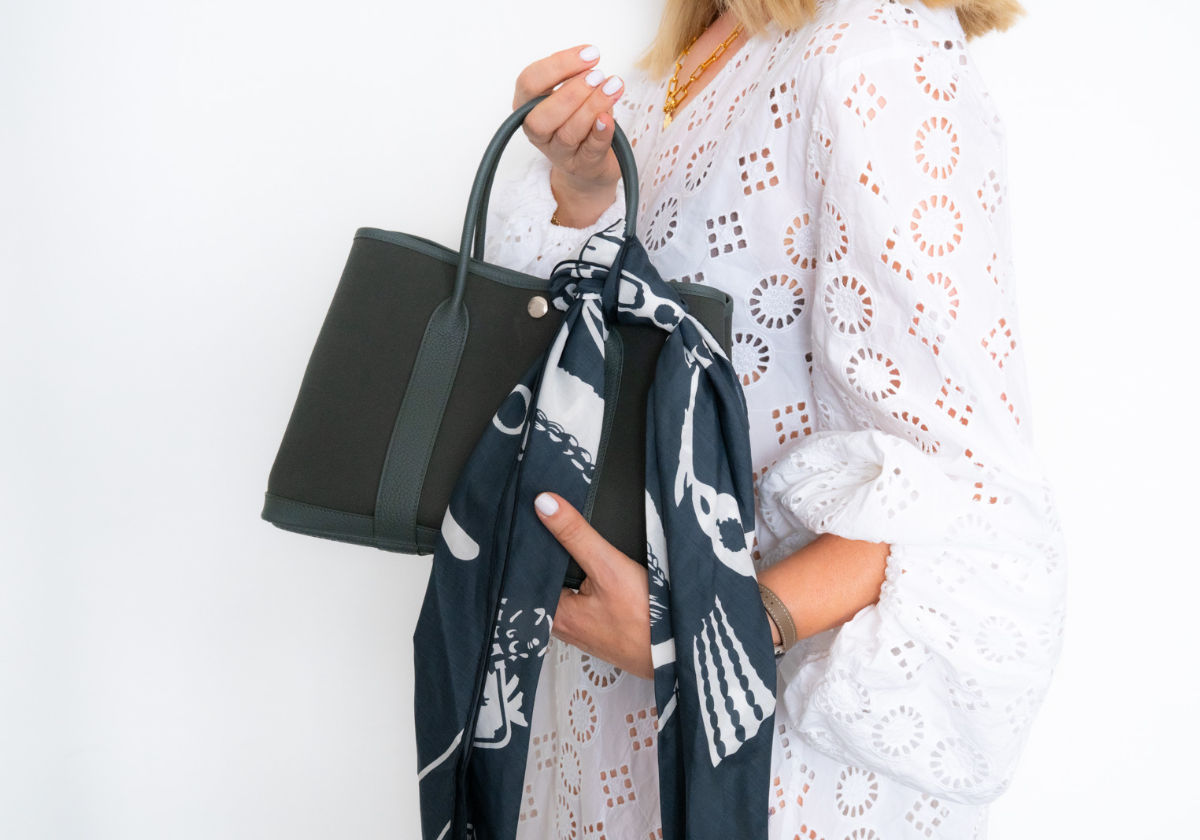
Buying or selling a pre-owned designer handbag raises real questions about authenticity, pricing, and trust. Luxury consignment does not have to feel like a gamble, but knowing what to look for makes all the difference. Understanding how the secondhand market works helps buyers spot fair value and gives sellers the confidence to price their pieces correctly.
Platforms built around verified pre-owned pieces take the guesswork out of the process entirely. Authenticated listings and transparent pricing connect serious buyers with genuine sellers, turning what once felt risky into a straightforward transaction. Anyone looking to explore that experience can browse curated pieces directly through second hand designer.
Table of Contents
What Is Luxury Consignment and How Does It Work?
Why Is Luxury Consignment Becoming More Popular?
Is Luxury Consignment Better Than Selling Designer Items Yourself?
How to Prepare Luxury Items for Consignment
Features to Look For When Choosing a Luxury Consignment Service
How PICKUPPOINT Makes Luxury Consignment Simple, Sustainable, and Secure
Get your Next Luxury Purchase from PICKUPPOINT
Summary
The global luxury resale market is currently valued at around $210 billion, with projections placing it as high as $360 billion by 2030. This growth reflects a fundamental shift in how consumers think about ownership and value, not a temporary trend. The resale sector is expanding at three times the rate of the primary luxury market, signaling a structural reordering of consumer priorities rather than a passing moment.
BCG research with Vestiaire Collective shows resale accounts for 28% of surveyed wardrobes, with handbags at 40%, underscoring professional platforms' ability to move inventory efficiently where DIY struggles. ThredUp reports highlight accelerated online resale growth, projected to reach $40 billion by 2029, driven by trusted services that outperform solo efforts. Platform comparisons reveal that consignment often yields a higher net for mid- to high-value designer items due to expert pricing, as seen in average sales data across categories.
Authentication has replaced price as the primary barrier to buyer confidence in the secondhand luxury market. Specialist consignment platforms now combine expert human review with digital tracking to provide documented provenance for items such as pre-owned Rolex watches and Birkin bags. This shift from uncertainty to verified certainty is what converted a hesitant audience into a loyal one and drove the luxury resale market to a 15% compound annual growth rate.
The financial case for professional consignment over private resale is stronger than most sellers initially assume. Consignment platforms typically return 40 to 70 percent of the resale price to sellers, and authenticated items on specialist platforms consistently sell for more than equivalent pieces listed privately, because buyer hesitation around counterfeits suppresses bids on general marketplaces. The real comparison is not commission versus no commission, but net return versus net return after accounting for time, risk, scam exposure, and final sale price.
Younger buyers are accelerating the pre-owned luxury market faster than any marketing campaign could. Millennials and Gen Z are deliberately choosing pre-owned designer pieces, treating a vintage Dior jacket or a pre-loved Hermès scarf as a statement of taste rather than a concession. This demographic values rarity, story, and individuality in ways that the primary market cannot replicate, and their participation is a core driver of sustained growth in the resale market.
The environmental cost of new luxury production is a genuine motivator for a growing segment of buyers and sellers. Manufacturing a single luxury handbag from virgin materials carries high costs in water, energy, and chemical processing, and extending the life of an existing piece sidesteps that burden entirely. Choosing pre-owned is increasingly treated as both a style decision and a quiet act of accountability, not a marketing angle but a measurable reduction in demand for new production.
Documentation and condition grading have a direct and underestimated impact on final consignment returns. Bringing original packaging, dust bags, receipts, and certificates of authenticity can shift which pricing tier an item lands in and how quickly it sells, with tiered commission models meaning a Birkin or Patek Philippe can earn the consignor 70 to 85 percent of the final sale price. Most sellers leave money on the table not because their item lacks value, but because they submit it without the supporting materials that validate that value.
PICKUPPOINT's secondhand designer platform addresses this directly by handling authentication, condition reporting, photography, and buyer communication in one place, connecting pre-owned Chanel, Hermès, Gucci, and Dior pieces with verified buyers who are specifically seeking authenticated luxury fashion.
What Is Luxury Consignment and How Does It Work?
Luxury consignment is a structured resale arrangement where you hand your authenticated designer pieces to a specialist platform, and they handle valuation through final sale, paying you a percentage of the proceeds. It replaces the difficulty of self-managed resale with expertise and a clear, documented process.
💡 How It Works: You consign your piece → the platform authenticates, values, and lists it → upon sale, you receive your agreed percentage — with zero need to manage buyers yourself.
Stage | Who Handles It | What Happens |
|---|---|---|
Drop-Off / Submission | You | Deliver the authenticated designer piece to the platform |
Valuation | Specialist Platform | Expert appraisal sets a fair market price |
Listing & Marketing | Specialist Platform | The item reaches targeted luxury buyers |
Authentication | Specialist Platform | Provenance and legitimacy verified |
Final Sale & Payout | Specialist Platform | You receive your percentage of proceeds |
"Luxury consignment replaces the chaos of self-managed resale with a clear, documented process — putting expert valuation and targeted reach to work for the seller." — Investopedia
Most independent sellers hit the same problem: low-ball offers, authenticity suspicion, and hours spent explaining provenance to potential buyers who may never purchase. Luxury consignment eliminates this by placing your Chanel flap bag or Rolex Submariner with professionals who know its exact value and target buyer.
⚠️ Warning: Selling luxury items without a specialist platform exposes you to undervaluation, fraud risk, and a frustrating sales process that can take months with no guaranteed outcome.
🔑 Takeaway: The advantage of luxury consignment isn't convenience alone—it's access to authenticated demand, meaning buyers who are already primed to pay full market value for what you're selling.
What actually happens to your item
When you submit a piece for consignment, the platform inspects the hardware, stitching, serial numbers, materials, and documentation. Condition grading is on a scale from excellent to fair and affects the listing price. Professional photography, targeted marketing, and buyer communication happen automatically. Once the item sells, your payout is deposited via direct deposit, with the platform's commission deducted. No upfront fees, no surprises.
How does the luxury consignment commission structure actually work?
The commission structure varies across platforms. Tiered models mean a Birkin or Patek Philippe can earn the seller 70 to 85 percent of the final sale price, while lower-cost items earn 40 to 50 percent. Original packaging, dust bags, receipts, and certificates of authenticity determine which tier your item reaches and how quickly it sells.
What happens if your item doesn't sell during the consignment window?
If your item doesn't sell within the agreed consignment window, it comes back to you with no penalty or pressure. This makes consignment low-risk compared to outright selling, where you accept whatever offer is available. Platforms like Pick Up Point connect consignors and buyers through an authenticated pre-owned marketplace with transparent processes before you commit.
Why is the luxury consignment market growing so rapidly right now?
According to CNBC, the global resale market is valued at around $210 billion and is projected to reach $360 billion by 2030. This scale reflects a fundamental shift in how people think about ownership and value. Consigning a Gucci belt or Dior jacket puts money back in your pocket while extending the life of something beautiful. But what is driving this surge in participation, and why more first-time consignors are entering the market now, is a more surprising story than the numbers alone suggest.
Why Is Luxury Consignment Becoming More Popular?
The increase in first-time consignors reflects a mix of economic pressure, generational values, and technological trust that has removed barriers to selling unused designer pieces.
"A new wave of first-time consignors is being driven by economic pressure, generational values, and technological trust, dismantling the barriers that once kept luxury items sitting idle in closets." — Industry Insight
💡 Tip: If you've been holding onto unused designer pieces, consignment platforms now offer unprecedented trust and demand.
🔑 Takeaway: The rise of first-time consignors stems from three converging forces: financial motivation, shifting generational attitudes toward ownership, and technology that makes the process safe and seamless.
Driver | What It Means for Consignors |
|---|---|
Economic Pressure | Sellers unlock real cash value from idle luxury assets |
Generational Values | Younger generations prefer sustainability over static ownership |
Technological Trust | Secure platforms remove the fear of selling high-value items online |
Why are luxury consignment prices reshaping buyer decisions?
Luxury prices have risen so quickly that even loyal buyers hesitate to pay full price. According to Business Insider and McKinsey, the luxury resale market is growing at three times the rate of the main luxury market. When a pre-owned Chanel flap bag comes with the same authentication guarantee as a store purchase but costs significantly less, the choice becomes clear.
How are younger generations driving the luxury consignment shift?
Younger buyers are accelerating this shift faster than any marketing campaign could. Millennials and Gen Z are intentionally choosing pre-owned luxury, treating a vintage Dior jacket or a pre-loved Hermès scarf as a sign of good taste. The pre-owned route provides access to sold-out pieces and rare items with a story—something the primary market cannot replicate.
What role does sustainability play in luxury consignment today?
Environmental awareness drives meaningful change here too. Manufacturing a single luxury handbag from new materials requires significant amounts of water, energy, and chemical processing. Choosing pre-owned Gucci or Dior combines style with responsibility. Platforms like Pick Up Point have built their model around this principle, making it easy to buy and sell authenticated designer fashion while supporting a circular economy.
Why is trust no longer the barrier it once was?
Authentication was a significant problem. Buyers worried about counterfeit items, sellers about receiving low offers, and both sides about the transaction itself. Specialist consignment platforms addressed this through layered verification—combining expert human review with digital tracking—so that a pre-owned Rolex or Birkin arrives with documented provenance. This shift from uncertainty to confidence transformed a hesitant audience into a loyal one.
How has luxury consignment turned market growth into seller confidence?
Pick Up Point DATA reports a 15% compound annual growth rate for the luxury resale market, reflecting growing consumer trust. Sellers who previously avoided resale due to concerns about authenticity and safety now regularly consign items, recovering substantial value for pieces from Chanel, Hermès, and Patek Philippe. The market now delivers verified products to buyers and fair pricing to sellers. Deciding to send your items to be sold is often the easy part. What happens next is where most people lose money.
Related Reading
Is Luxury Consignment Better Than Selling Designer Items Yourself?
Selling designer items yourself skips the commission, but the math falls apart when you account for actual costs. Taking pictures of a Gucci bag properly requires good lighting, clean backgrounds, and multiple angles showing the condition. Writing trustworthy descriptions demands research into model names, hardware details, and production years. Then come messages, lowball offers, and buyers who ghost after you've held the item for a week. None of that shows up in the commission percentage you were trying to avoid.
"The hidden costs of DIY reselling — time, effort, and failed transactions — are rarely factored into the commission savings sellers think they're keeping."
💡 Tip: Before listing a luxury item yourself, calculate your true hourly rate: add up photography time, research, messaging, and relisting — then compare that to what a consignment fee would have cost you.
🔑 Takeaway: The commission percentage looks expensive on paper, but DIY selling quietly costs you in time, energy, and lost deals — making luxury consignment a smarter trade-off for most sellers.
Cost Factor | DIY Selling | Luxury Consignment |
|---|---|---|
Photography | Your time + equipment | Handled professionally |
Item Research | Hours of manual work | Expert authentication included |
Buyer Negotiations | You absorb every lowball offer | Managed by the consignor |
Ghosted Buyers | Item held for days or weeks | No wasted hold time |
Commission Cost | $0 upfront | Percentage of final sale |
Net Time Investment | High | Minimal |
Does luxury consignment actually deliver better net returns than DIY selling?
BCG research with Vestiaire Collective shows that resale accounts for 28% of surveyed wardrobes, with handbags at 40%. Professional platforms move inventory efficiently, while DIY efforts struggle. ThredUp projects online resale will reach $40 billion by 2029, driven by trusted services that outperform solo efforts. Consignment yields higher net proceeds for mid- to high-value designer items through expert pricing and efficient sales processes.
Why does net return matter more than commission in luxury consignment?
Most sellers compare commission versus no commission, but they should compare net return versus net return when factoring in time, risk, and final sale price. A Chanel classic flap listed privately on a general marketplace often sells for less than the same bag authenticated and presented by a specialist platform, because buyer hesitation around counterfeits suppresses bids. Authenticated consignment removes that hesitation, which is why final prices tend to run higher even after the platform takes its share. When buyers trust the source, they pay more.
How does a specialist luxury consignment platform close the gap?
Platforms like Pick Up Point handle authentication, photography, and buyer communication, connecting pre-owned Chanel, Hermès, and Dior pieces with a global audience of verified luxury buyers. This approach enables faster sales, fewer disputes, and prices that reflect the item's true market value rather than discounts driven by buyer uncertainty.
How does scam exposure put private sellers at financial risk?
Scam exposure is a risk that rarely gets discussed until it happens to you. Private sellers on general platforms face fraudulent payment claims, chargeback abuse, and package disputes with minimal structural protection. One lost shipment or reversed transaction can erase the entire margin advantage of avoiding commission fees. Consignment operations like Pick Up Point carry insurance, vet buyers, and manage fulfillment, keeping your financial exposure near zero.
Why are luxury consignment channels pulling ahead of DIY platforms?
Professional channels are pulling ahead. According to ThredUp, online resale is projected to reach $40 billion by 2029, driven by trusted services that outperform solo efforts. Buyers with strong purchase intent gravitate toward trusted resale channels for greater certainty. Sellers who meet them there capture that demand; those on DIY platforms compete for the shrinking pool of risk-tolerant buyers. Knowing where to sell is only part of the equation.
Related Reading
How to Prepare Luxury Items for Consignment
Getting luxury items ready before consignment significantly increases buyer confidence, speeds up the selling process, and maximizes what you get paid. Professional consignors can more effectively evaluate, authenticate, and market well-prepared pieces — making preparation the single most important step before you hand anything over.
"Well-prepared luxury pieces move faster, authenticate more easily, and command stronger final sale prices in the secondhand market." — BCG, 2025
💡 Tip: Before dropping off any item, clean, document, and gather all original accessories — dust bags, receipts, and authenticity cards can meaningfully boost your final payout.
⚠️ Warning: Skipping pre-consignment preparation is one of the most common mistakes sellers make. Arriving with an unprepared piece can delay the authentication process, reduce your offered rate, or result in outright rejection.
Preparation Step | Why It Matters |
|---|---|
Clean & condition the item | Signals care; increases perceived and actual value |
Gather original packaging | Boosts buyer confidence and authentication speed |
Document with photos | Creates a paper trail and supports accurate pricing |
Note any flaws honestly | Builds trust and avoids costly disputes later |
✅ Best Practice: Treat pre-consignment prep like a job interview for your item — first impressions drive faster sales and higher offers.
Assess Your Items Thoroughly First
Check each item against current buying trends and platform requirements. Inspect for damage, wear, and functional zippers, clasps, and hardware. Verify that nothing is missing, such as dust bags or authenticity cards. Items in excellent condition with all accessories sell faster and command higher prices. Since platforms reject heavily worn items, focus on well-maintained pieces with timeless style from brands like Hermès, Chanel, or Rolex.
Clean and Restore Professionally
Thorough cleaning removes dirt, odors, and imperfections that diminish value. Use appropriate methods for each material: gentle cleaners for leather, specialized solutions for suede or fabrics. Consider professional services for delicate items. Steam garments, condition leather, and polish hardware to restore shine. Avoid over-cleaning, which can damage finishes. Well-maintained pieces increase buyer confidence during inspection.
Gather All Original Documentation and Accessories
Collect dust bags, boxes, receipts, certificates of authenticity, and provenance materials. These prove authenticity and document history, which speed authentication and increases perceived value. Photograph them alongside the item. Platforms prioritize complete sets because they build buyer confidence and reduce questions about the item. Missing items result in lower offers or rejection.
Capture High-Quality Photos and Details
Take multiple clear images from every angle, including close-ups of logos, stitching, serial numbers, interiors, and wear areas. Use natural lighting and neutral backgrounds. Note exact measurements, materials, and honest condition descriptions. Strong visuals help experts assess quickly and build trust, while poor photos delay approval or result in lower valuations.
Research Platform Requirements and Market Value
Review consignment services' brand lists, condition standards, and submission requirements. Compare recently sold prices for identical or similar items to set realistic expectations. Understand commission rates and payment timelines. Tailor submissions to match platform preferences—seasonal relevance, high-demand categories—to ensure approval and competitive positioning.
Package Securely for Submission
Use strong, correctly sized boxes with plenty of cushioning to prevent shipping damage. Follow platform instructions carefully, including labels and insurance where offered. Secure packaging protects your investment, demonstrates professionalism, and increases the chances of acceptance without deductions for transit damage.
Understand the Authentication Process
Get to know how experts check items by examining hardware, studying stitching, testing materials, and checking serial number databases. Trusted services use trained specialists and technology to ensure accuracy. Provide all supporting details upfront to expedite this step and address potential issues beforehand, leading to faster approvals and better offers.
Features to Look For When Choosing a Luxury Consignment Service
The right luxury consignment service affects everything — how quickly your item sells, how much money you make, and your overall experience. The best ones stand out by having strong authentication, clear policies, professional pricing, and great customer support.
"The right luxury consignment service affects how quickly your item sells, how much money you make, and your overall experience." — A reminder that not all consignment platforms are created equal.
Feature | Why It Matters |
|---|---|
Strong Authentication | Protects buyers and validates your item's value |
Clear Policies | Ensures no hidden fees or surprise terms |
Professional Pricing | Maximizes your final payout |
Great Customer Support | Keeps your selling experience smooth and stress-free |
🎯 Key Point: The best luxury consignment services combine all four of these features — settling for less means risking your item's value and your peace of mind.
💡 Tip: Before committing to any platform, always verify their authentication process and fee structure upfront — these two factors have the biggest impact on your final return.
Strong Authentication Expertise and Guarantees
Choose services with in-house authentication teams or advanced technology. Look for authenticators trained on specific brands who examine stitching, hardware, serial numbers, and materials. A clear 100% authenticity guarantee with buyer protections builds trust, enables higher sale prices, and reduces the risk of rejected sales and counterfeit concerns.
Transparent and Fair Commission Structures
Look at payout percentages, tiered rates based on item value, and any additional fees for authentication or handling. Competitive programs reward higher-value consignments with better splits, sometimes reaching 70% or more for premium pieces, and offer volume bonuses. Full upfront disclosure prevents surprises, while options like store credit or direct deposit provide flexibility.
Efficient Submission and Pickup Options
Pick Up Point platforms offer free shipping labels, scheduled pickups, local drop-offs, or at-home appointments. Easy online forms and customer support save time. Quick intake with clear review timelines helps you move toward sales.
Detailed Condition Reporting and Photography Standards
Reliable services provide professional photography, accurate condition grading, and thorough descriptions that highlight strengths while honestly noting wear. This attracts serious buyers and justifies premium pricing.
Prompt and Reliable Payout Schedules
Check the payout rules monthly or on a regular schedule once items sell. Platforms that pay consistently using direct deposit or other methods demonstrate financial reliability and reduce confusion, helping you plan around expected income.
Robust Customer Support and Seller Resources
Look for support teams focused on helping you, educational guides, market insights, and quick communication channels. Services offering consultations or pricing and preparation tools add significant value. Strong support transforms the process into a partnership for future consignments.
Positive Reputation and Seller Protections
Look at reviews, return policies, and how the platform handles disputes. Established platforms with strong seller protections, such as free returns of rejected pieces, a focus on long-term relationships, and fostering ethical practices, have higher success rates across your luxury portfolio. Compare your options against what you specifically need and choose with greater confidence of success.
How PICKUPPOINT Makes Luxury Consignment Simple, Sustainable, and Secure
Most sellers feel more confident—or decide to quit entirely—based on understanding how the consignment process actually works: from deciding a piece needs a new home to getting payment. That clarity is everything in luxury goods, where trust, timing, and transparency determine whether a seller moves forward or walks away.
💡 Tip: Before committing to any consignment platform, map out the full process end-to-end—from item pickup to final payout. Sellers who understand every step are far more likely to complete the journey successfully.
"The difference between a seller who follows through and one who doesn't often comes down to one thing: knowing exactly what happens next." — Consignment Industry Insight
Stage | What Happens | Seller Action Required |
|---|---|---|
Decision | Seller identifies item for consignment | Choose a piece, confirm the condition |
Pickup | The specialist collects the item locally | Be available, hand over the item |
Listing | The item is priced and marketed | Review and approve the listing |
Sale | The buyer purchases the item | None — the platform handles it |
Payment | Seller receives their cut | Collect earnings |
✅ Best Practice: Choose a consignment service that gives you full visibility at every stage — opacity is the enemy of seller confidence.

Pick Up Point treats consignment as a service, not a transaction — a distinction that is critical. Local pickup means sellers with vintage Gucci bags or barely-worn Dior jackets avoid shipping insurance, bubble wrap, and courier delays that transform the process into a second job. A specialist arrives, collects the item professionally, and the logistics end there.
🎯 Key Point: Eliminating the shipping burden is one of the most underrated advantages in luxury consignment. For high-value items like designer handbags or luxury outerwear, the risk of damage or loss in transit is real — local pickup removes that risk entirely.
⚠️ Warning: Sellers who ship luxury items independently often underestimate the true cost of proper packaging, insurance premiums, and courier liability limits — all of which Pick Up Point's local pickup model makes irrelevant.
How does luxury consignment authentication determine your payout?
Every piece undergoes careful checking: hardware finish, stitching consistency, date codes, and provenance documentation determine acceptance and pricing. This matters because the secondhand luxury goods market is growing 12x faster than traditional retail, and buyer expectations have risen sharply. Authenticated items command higher prices because buyers on curated platforms pay for certainty, not just the item itself.
Why do transparent condition reports remove guesswork from luxury consignment pricing?
Most sellers submit pieces without documentation and accept unclear condition assessments, then wonder why payouts feel random. Platforms like Pick Up Point provide transparent condition reports that show exactly what was assessed and why the price was set, replacing guesswork with a clear, defensible number.
Why sustainability changes the equation
Extending the life of a Chanel flap bag or a Hermès scarf reduces pressure on new production, which consumes resources at every stage. Vue.ai's luxury consignment research projects the luxury resale market reaching $64 billion by 2024, signaling a shift in how people value pre-owned pieces. Choosing to consign is now a statement about what you believe fashion should be. Once you understand how the process works from start to finish, a more interesting question emerges: what does it feel like to be on the buying side of this equation?
Related Reading
Get your Next Luxury Purchase from PICKUPPOINT
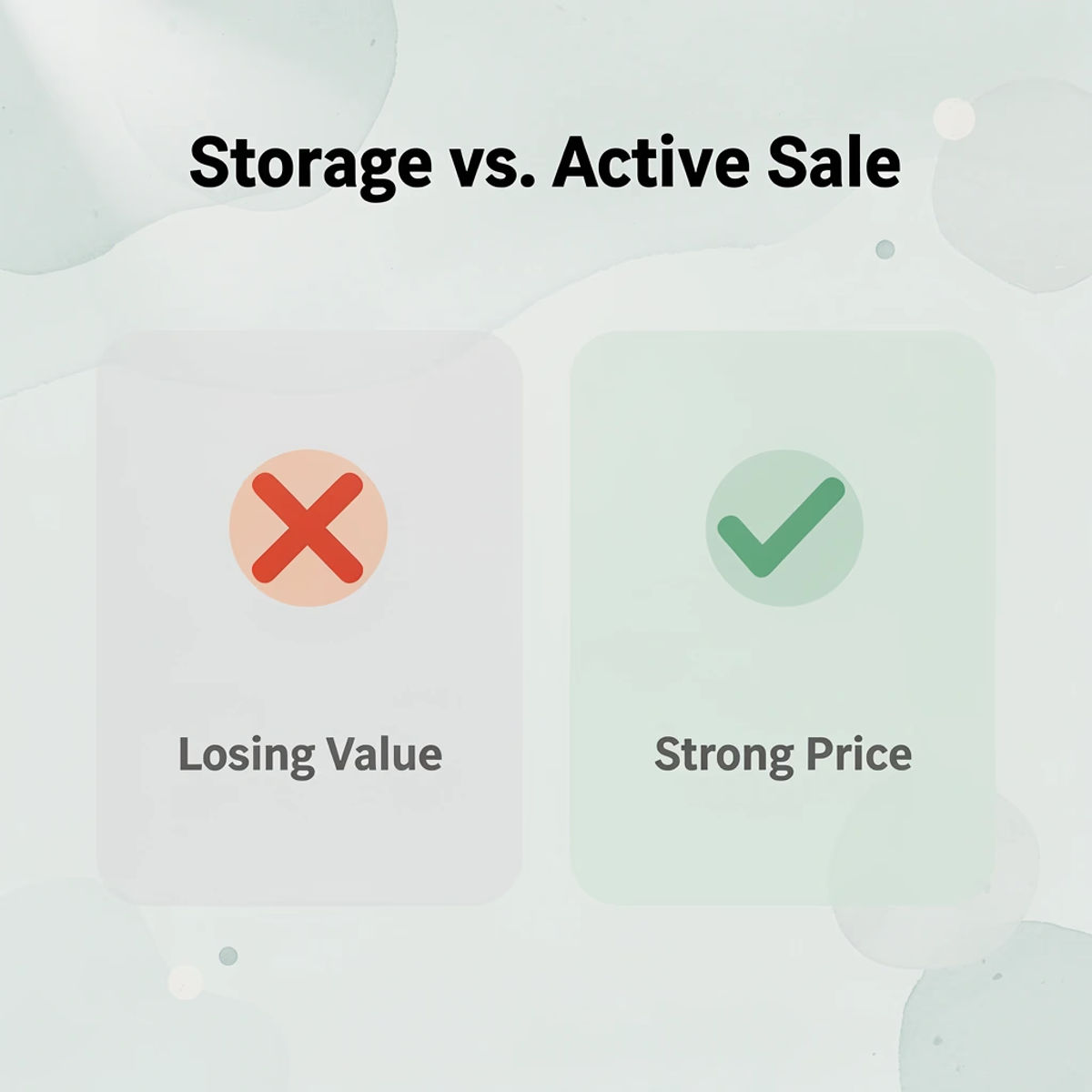
Designer pieces that sit in storage lose their market value over time, with resale prices declining each season. Quality items require active buyers to maintain their worth; letting them gather dust diminishes value.
"Luxury items left in storage don't just lose relevance — they lose real monetary value that active resale could have preserved." — Circular Fashion Insight
🎯 Key Point: Every month, a luxury piece sits unworn; its resale potential erodes. The time to act is now.
⚠️ Warning: Holding onto pre-owned designer items without a plan isn't preserving value — it's losing it.
Pick Up Point connects pre-owned Chanel, Hermès, Gucci, and Dior pieces with authenticated buyers, handling the full complexity for you. Whether consigning, buying, or recycling through their service, Pick Up Point treats every transaction as circular fashion — a smarter, more sustainable way to engage with luxury.
💡 Tip: Visit Pick Up Point to explore their luxury consignment service and let your pieces continue their story with someone who will truly value them.
Service | What It Means for You |
|---|---|
Consigning | Sell your piece at its best possible price |
Buying | Access authenticated luxury at pre-owned value |
Recycling | Give your item a new life through circular fashion |
✅ Best Practice: Choose a platform like Pick Up Point that handles authentication, logistics, and buyer matching — so you get maximum value with minimum effort.