


How to Sell Ray-Ban Sunglasses: 7 Steps for Beginners
How to sell Ray-Ban sunglasses fast? Pick Up Point breaks down 7 beginner steps to get top dollar for your frames today.
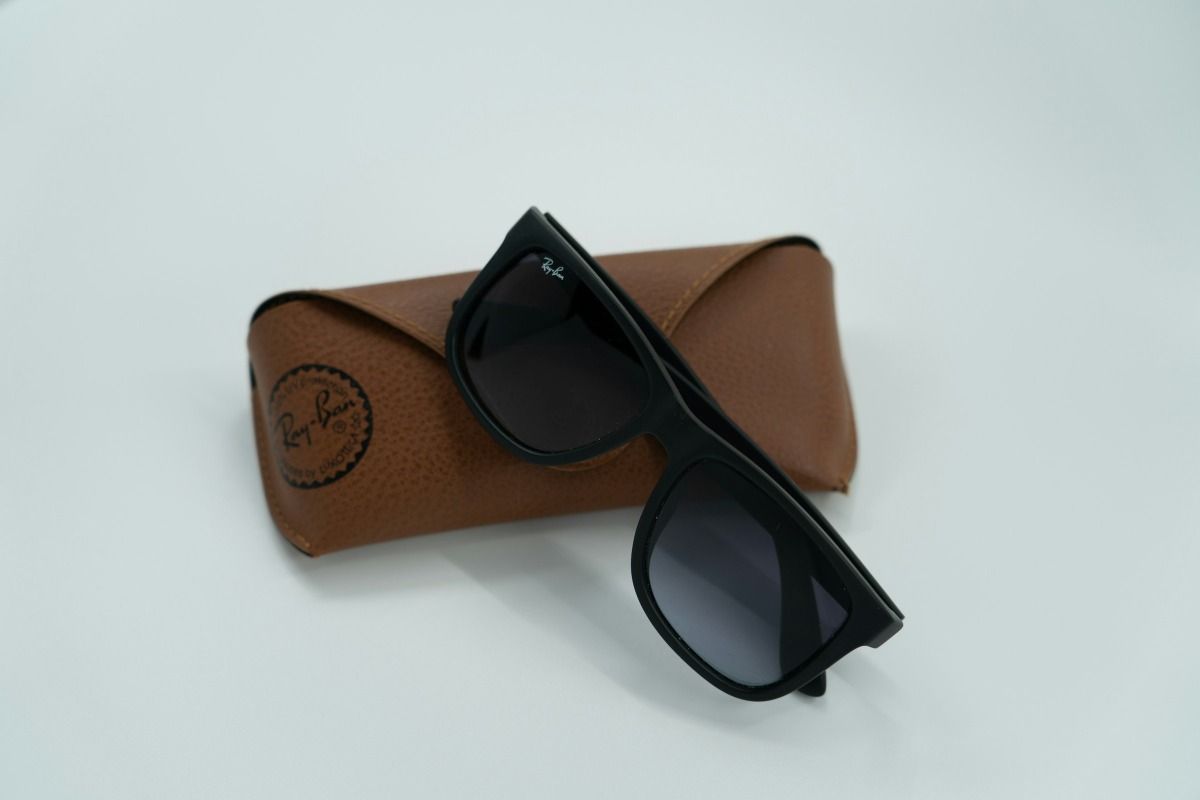
A pair of Ray-Ban sunglasses sitting unused in a drawer still holds real market value, and knowing where to sell them makes all the difference between a fair return and a missed opportunity. Many sellers ask, "Do consignment shops buy clothes and accessories like eyewear?" Dedicated resale platforms often deliver faster results and better pricing for recognizable designer brands.
Rather than guessing a price or navigating unreliable buyers, working with a platform built for pre-owned designer goods keeps the process straightforward and transparent. Pick Up Point connects sellers with buyers who are actively looking for authenticated eyewear, making it one of the most practical options for anyone ready to sell through a trusted second hand designer marketplace.
Table of Contents
Are Ray-Ban Sunglasses Worth Reselling?
Are Scratched Ray-Ban Sunglasses Worth Selling?
What Factors Affect the Resale Value of Ray-Ban Sunglasses?
7 Steps to Sell Ray-Ban Sunglasses Successfully
Mistakes You Should Avoid When Selling Ray-Ban Sunglasses
How PICKUPPOINT Helps You Give Your Preloved Ray-Ban Sunglasses a Second Life
Get your Next Luxury Purchase from PICKUPPOINT
Summary
The global luxury sunglasses market was estimated at USD 13.44 billion in 2026 and is projected to reach USD 23.64 billion by 2033, according to Coherent Market Insights. This expansion reflects growing buyer comfort with pre-owned designer eyewear, not just new purchases. As the market widens, sellers of second hand pieces like Ray-Bans are entering a category with more buyers active than at any previous point.
Condition is the primary variable in resale pricing, and the gap between clean and damaged pairs is significant. Scratched lenses push closing prices into the $12 to $45 range, while clean pairs in popular models like the Wayfarer or Aviator regularly achieve $60 to $120. That difference isn't a penalty for wear; it's a separate market segment with different buyers and price expectations.
Era and manufacturing origin affect resale value as much as physical condition. Bausch and Lomb era pairs made before Luxottica's 1999 acquisition can close at two to three times the price of modern equivalents in comparable condition because collectors are paying for optical quality and scarcity that current production does not replicate. This makes accurate era identification a meaningful step before pricing any vintage pair.
Authenticity markings function as the primary trust signal for buyers in the pre-owned eyewear market. Missing or inconsistent engravings, lens etchings, or temple codes don't just lower a listing's price; they remove it from serious consideration entirely. Buyers who know the category compare physical details against documented authentic examples before committing, which means proof of legitimacy is as important as condition.
Completeness has a measurable effect on final sale price. An original case, matching nose pads, intact hinges, and original hardware raise closing prices on otherwise identical pairs because they eliminate the buyer's need to factor in repair or replacement costs. Ray-Ban holds approximately 25% of the global sunglasses market share according to Business Magazine, meaning buyers in the secondary market have no shortage of alternatives and consistently favor listings that require no additional investment after purchase.
PICKUPPOINT's second hand designer service addresses the trust gap that causes verified, well-maintained pieces to underperform on general marketplaces by handling authentication, condition grading, and professional photography before any listing goes live.
Are Ray-Ban Sunglasses Worth Reselling?
Ray-Ban sunglasses hold resale value . Modern classics like the Wayfarer and Aviator consistently sell in the $30 to $53 range on secondary markets, while older Bausch and Lomb pairs regularly clear $100 . This return reflects decades of brand-building that drives demand in the pre-owned market .
🎯 Key Point: Entry-level Ray-Ban resales generate consistent returns, and vintage pairs can fetch 2x or more than modern equivalents.
"Older Bausch and Lomb Ray-Ban pairs regularly clear $100 on secondary markets: proof that brand legacy translates directly into resale power ."
The bigger picture supports this. According to Coherent Market Insights , the global luxury sunglasses market is estimated at USD 13.44 billion in 2026 and is expected to reach USD 23.64 billion by 2033. This growth signals expanding demand for quality eyewear , including pre-owned pieces , and increasingly comfortable buyers purchasing secondhand from trusted sources.
🔑 Takeaway: A market growing from $13.44B to $23.64B in under a decade means the resale window is widening , not shrinking. Now is the time to position in pre-owned luxury eyewear .
⚠️ Warning: Don't overlook authentication . As the market grows, so does buyer scrutiny. Verified authenticity is essential for commanding top resale prices .
How does condition affect the price when you sell Ray-Ban sunglasses?
Resale value depends mainly on condition. Clubmasters with straight frames, scratch-free lenses, and a firm hinge sell near the top of their range, while the same model with a bent temple or cloudy lenses drops to the bottom, sometimes below shipping costs. Pre-owned eyewear buyers know what they want and price offers accordingly.
Most sellers price by gut feeling. The smarter approach is to search completed eBay listings filtered by your exact model code, match the condition honestly, and price in the middle of the actual sold range. This removes guesswork and sets realistic expectations before investing in listing photos and shipping.
Which platforms make it easier to sell Ray-Ban sunglasses to the right buyers?
Platforms like Second Hand Designer exist because listing on general marketplaces creates unnecessary friction. When you sell through channels built for pre-owned designer items, the audience already wants what you have. Our platform reduces friction by connecting sellers with buyers actively seeking pre-owned designer pieces, resulting in fewer lowball offers, less time explaining authenticity, and cleaner transactions.
According to Statista's sunglasses market analysis , the global sunglasses market generated $24.4 billion in revenue in 2023. Pre-owned Ray-Bans sell because buyers recognize their value. Sellers who present pairs honestly with clear photos and accurate condition descriptions consistently find buyers willing to pay fair prices. But what happens when the lenses are not perfect?
Related Reading
How to Sell Prada Handbags
How to Sell Luxury Items
Best Place To Sell Luxury Watches
Where Can I Sell My Tory Burch Bag
Are Consignment Shops Worth It
Where Can I Sell My Balenciaga Bag
Where Can I Sell My Versace Sunglasses
How to Sell Adidas Shoes
How to Sell a Designer Bag
Where Can I Sell My Dior Bag
Are Scratched Ray-Ban Sunglasses Worth Selling?
Scratched lenses reduce Ray-Ban value but don't eliminate it. The real question is how to position what you have — because even imperfect pairs can attract serious buyers when listed correctly.
"A scratched pair of Ray-Bans still carries the brand equity of one of the world's most recognized eyewear names — and that matters to buyers." — Resale Market Insight
💡 Tip: Always disclose scratch severity honestly in your listing — transparent sellers consistently earn higher trust ratings and faster sales.
⚠️ Warning: Never try to hide lens damage in photos. Buyers who feel misled will request refunds, leave negative feedback, and tank your seller reputation.
Scratch Level | Impact on Value | Still Worth Selling? |
|---|---|---|
Minor surface scratches | Low reduction | ✅ Yes — price slightly lower |
Moderate scratches | Medium reduction | ✅ Yes — disclose clearly |
Deep or heavy scratches | High reduction | ⚠️ Yes — as parts or for repair |
🔑 Takeaway: Scratched Ray-Bans are not worthless — they're simply a repositioning challenge, and with the right strategy, they can absolutely sell.

When damage changes the category, not the opportunity
The failure point is usually misaligned expectations. A seller photographs a pair with surface scratches, prices them like a clean resale, and waits. Nothing moves. The listing expires. They try again with the same result. What went wrong is not the platform or the price, but the category. Scratched Ray-Bans are not competing with clean used pairs; they are competing with repair candidates and frame-only listings, a different buyer with a different budget.
Why does lens damage shift the price range so dramatically?
According to an analysis published by Underpriced.app, visible lens damage pushes closing prices into the $12 to $45 range, compared to the $60 to $120 range that clean pairs in popular models like the Wayfarer or Aviator regularly achieve. This gap reflects a different market segment rather than a penalty.
How does pricing for actual condition help you sell Ray-Ban sunglasses faster?
Most sellers hold onto scratched pairs, convinced the right buyer will pay close to full price. But the longer a scratched pair sits unsold, the more it becomes a drawer fixture rather than a recovered asset. Price for actual condition on day one, not after three failed listings. Platforms built around second hand designer resale handle this differently. Rather than leaving sellers to guess at market positioning, our Pick Up Point structure builds condition transparency into the listing process, connecting items to buyers who already understand they are purchasing pre-loved pieces with real-world wear. This removes the friction of manually managing buyer expectations, where most scratched-lens listings fail.
What actually determines whether the sale is worth making
Condition alone does not tell the whole story of what a pair is worth.
Does frame integrity decide how to sell Ray-Ban sunglasses at a profit?
The critical difference is frame integrity. If scratches appear on only one lens and the frame is clean, the pair has real parts value, especially in popular models where replacement lenses are available. A Wayfarer or Clubmaster frame in good condition can sell for $20 to $40 as a parts listing. If the frame is bent, corroded, or missing a nose pad, listing, photographing, and shipping it rarely makes sense. Recycling through a responsible fashion channel yields more value for your time than a $10 sale.
Why does selling honestly still matter even at a low price?
Every item that moves through a resale channel instead of a landfill contributes to circular fashion. Selling a scratched pair honestly, even at a low price, keeps materials in use and gives someone else the chance to repair or repurpose them—a better outcome than throwing them away.
What Factors Affect the Resale Value of Ray-Ban Sunglasses?
Condition sets the floor, but several layered signals determine where your Ray-Ban listing lands in the market — and understanding each one is essential to maximizing your resale return.
"Condition is just the starting point — true resale value is shaped by a combination of model rarity, original packaging, market timing, and buyer demand." — Pricing Psychology & Resale Market Insights
Factor | Impact on Resale Value |
|---|---|
Physical Condition | Sets the baseline price floor |
Model Rarity | Significantly boosts desirability |
Original Packaging & Case | Can add 10–20% to perceived value |
Market Timing | Affects buyer demand and competition |
Authenticity Proof | Builds buyer trust and commands premium pricing |
🎯 Key Point: The most overlooked resale factors — like original packaging and model scarcity — can be just as powerful as physical condition when it comes to final sale price.
💡 Tip: Before listing, research comparable sold listings on resale platforms to understand exactly where your specific Ray-Ban model sits in the current market.

Why era matters more than age
Pairs made before Luxottica's 1999 acquisition have physical proof of a different manufacturing standard. The Bausch and Lomb stamp, glass lenses, and USA origin markings determine value: a vintage Wayfarer in good condition sells for two to three times the price of a modern equivalent. According to Business Magazine, Ray-Ban sunglasses retain up to 70% of their original retail value when resold in good condition, though this figure varies by era. Collectors pay for the scarcity and optical quality that current production does not replicate.
What authenticity markings actually signal
The failure point in most Ray-Ban resale attempts is not condition but proof. A faint "BL" etched into older lenses or "RB" on current ones, combined with temple codes matching the frame size, tells a buyer the pair is authentic before they spend a dollar. Missing or inconsistent markings remove the listing from serious consideration. Knowledgeable buyers compare physical details against documented authentic examples, and anything that does not match gets flagged or ignored.
Sellers who list through generic platforms often discover this friction the hard way. A pair that looks clean in photos gets questioned in messages, then abandoned at checkout when the buyer cannot verify authenticity. Platforms built around second hand designer goods reduce that gap by creating a context where condition transparency and authenticity expectations are built in, allowing sellers to spend less time defending their listing and more time completing the sale.
The completeness premium most sellers underestimate
An original case works as physical evidence of how the pair was stored and cared for over many decades. Matching nose pads, intact hinges, and original hardware raise the final price on otherwise identical pairs because the buyer gets something ready to wear rather than something to repair. According to Business Magazine, Ray-Ban holds approximately 25% of the global sunglasses market share, meaning secondary market buyers have no shortage of options. Complete pairs win because they eliminate every reason a buyer might hesitate.
Model demand sets the upper limit
Classic shapes move. Wayfarer, Aviator, and Clubmaster listings attract consistent search traffic because those models have cultural staying power that outlasts seasonal trends. Limited editions, polarized lenses, and rare color options push the ceiling higher when condition holds. On smart-glass models like Ray-Ban Stories, the camera, battery life, and audio function become checkpoints that confirm value or eliminate it entirely. Popularity lifts what a pair can theoretically sell for, but era, condition, and completeness determine whether it actually does. Knowing what your pair is worth is only half the equation; the other half is where most sellers leave money on the table.
Related Reading
How To Sell A Cartier Watch
How Much Can I Sell My Rolex For
Louis Vuitton Dust Bag Real Vs Fake
How To Sell Chanel Bag
Can You Sell A Rolex Without Papers
How To Sell Patek Philippe Watch
How To Sell My Rolex Watch
Where Can I Sell My Louis Vuitton Bag
Which Consignment Shops Pay The Most
How To Sell Rado Watch
How To Start A Consignment Store
7 Steps to Sell Ray-Ban Sunglasses Successfully
Selling Ray-Ban sunglasses requires careful preparation, authentication, realistic pricing, and compelling presentation to stand out in a competitive resale market. Follow these seven proven steps to maximize your chances of a successful sale and get the best possible return on your pair.
"Sellers who provide authentication details, original packaging, and competitive pricing consistently close deals faster and at higher final prices than those who skip these steps." — Resale Market Best Practices
Step | Action | Why It Matters |
|---|---|---|
1. Authenticate | Verify logos, hinges, and lens markings | Builds buyer trust instantly |
2. Clean & Inspect | Polish lenses, check for scratches | Boosts perceived value |
3. Research Pricing | Check sold listings on resale platforms | Ensures competitive pricing |
4. Gather Packaging | Include case, cloth, and original box | Can increase value by up to 30% |
5. Photograph Well | Use natural light, multiple angles | Drives significantly more clicks |
6. Write a Strong Listing | Include model, size, and condition | Reduces buyer questions |
7. Choose the Right Platform | Match platform to your buyer audience | Maximizes sale speed and profit |
💡 Tip: Always include the model name and frame size in your listing title — buyers searching for specific styles like Ray-Ban Wayfarer or Ray-Ban Aviator will find your listing much faster.
⚠️ Warning: Skipping authentication details is one of the most common mistakes sellers make — it signals low credibility and drives serious buyers away before they even make an offer.

🎯 Key Point: The difference between a quick, profitable sale and a listing that sits unsold for weeks comes down to how well you execute each of these seven steps — from first impressions to final negotiation.
1. Confirm the Exact Model and Era
Start by reading every mark on the frame. Look inside the temples for the model code (such as RB2140) and size numbers, then check the lenses for the etched "BL" on older pairs or "RB" on newer ones. These details determine whether the pair belongs to the higher-value Bausch & Lomb era or the modern line. Note the lens type (glass, polarized, or G-15) as it affects both price range and buyer interest.
2. Clean and Inspect Thoroughly
Wipe the lenses and frames with a soft microfiber cloth until no fingerprints or dust remain. Tighten any loose screws and note every scratch, hinge play, missing nose pad, or worn temple tip. Buyers judge the pair by the photos and description you provide; accurate notes build trust and support a stronger final price. Skip heavy polish that could hide damage—honesty prevents returns.
3. Research Recent Sold Prices
Search completed listings for the exact model, size, and era rather than asking prices. Compare only pairs in similar condition and note the middle range that sold. This real-market data sets a realistic starting price. Adjust slightly upward if the original case and cloth are included, and downward for visible lens scratches.
4. Take Clear, Detailed Photos
Take photos of the front, both sides, and lenses at an angle to show any marks. Photograph the inside of both temples with codes and the original case if available. Use natural light and a plain background to preserve true colors. Close-up photos of the hinge and lens etching help buyers confirm authenticity and speed up the sale.
5. Write an Honest, Specific Listing
Put the model code, era, lens type, and size in the title. In the description, list every visible flaw and included accessory in plain language. Mention the condition grade you assigned to prevent surprises when the glasses arrive. Clear wording and appropriate keywords help the right buyers find the pair and reduce post-listing questions.
6. Choose the Platform That Matches Your Goals
Decide whether you want to manage the entire sale yourself or hand the process to a specialist. Consignment platforms like Pick Up Point handle valuation, professional photography, listing, and buyer communication; you receive a percentage once the item sells. Self-managed platforms or local marketplaces offer full control but require more time for customer questions, packing, and shipping.
7. Pack Securely and Complete the Sale Promptly
Put the sunglasses in a hard case, wrap them in bubble wrap, and ship them in a rigid box to prevent damage. Include a note with model details if space allows. Ship after payment clears and answer buyer messages the same day. Fast, careful handling protects your seller rating.
Mistakes You Should Avoid When Selling Ray-Ban Sunglasses
Selling Ray-Ban sunglasses can be stopped by avoidable mistakes that directly hurt your earnings — from missing authenticity details and setting prices too high or too low, to poor presentation that immediately discourages buyers. Knowing what to avoid is essential to navigating the selling process successfully and maximizing every sale.
"Sellers who overlook authenticity verification, competitive pricing, and professional presentation consistently earn less and lose buyer trust faster than those who don't." — Resale Market Best Practices
Common Mistake | Impact on Sale | What to Do Instead |
|---|---|---|
Missing authenticity details | Buyers lose trust immediately | Include serial numbers, case, and original packaging |
Pricing too high | Listing gets ignored | Research current market value before listing |
Pricing too low | You lose significant earnings | Never undervalue authentic Ray-Ban frames |
Poor presentation | Weak photos reduce clicks | Use clear, well-lit images from multiple angles |
⚠️ Warning: Skipping authenticity details is the single fastest way to lose a buyer's confidence — always document proof of legitimacy upfront.
💡 Tip: Before listing, research comparable sold listings to find the sweet spot between maximum profit and competitive pricing that actually converts.

Ignoring Visible Condition Problems
Scratches on lenses, loose hinges, or worn temple tips classify a pair as low-end or parts. Buyers notice these flaws immediately and request refunds when descriptions don't match. Disclose every flaw and price accordingly to avoid disputes.
Skipping a Proper Authenticity Check
Counterfeit Ray-Bans damage both the current sale and future seller ratings. Before listing, verify the lens etching, temple codes, hinge quality, and overall construction against known authentic examples. If marks don't match or hinges feel hollow and light, don't present the pair as genuine Ray-Ban.
Taking Incomplete or Low-Quality Photos
Blurry images or missing close-ups of lenses, hinges, and temple stamps leave buyers guessing and slow sales. Clear shots from multiple angles under natural light, including angled views that reveal scratches, let buyers judge condition and authenticity independently and reduce post-sale complaints.
Writing Vague or Generic Listings
Titles like "Ray-Ban sunglasses in good condition" lack sufficient detail. Include the exact model code, era, lens type, and size in both the title and description. Specific language attracts relevant searches, answers common questions upfront, and commands a stronger final price.
Pricing from Retail Instead of Real Sales Data
Setting the price close to the original retail price almost always leaves pairs unsold. Check recent completed sales for the same model and condition, then set your asking price within that range. This moves inventory faster while maintaining profit after fees and shipping.
Choosing the Wrong Selling Route for Your Time and Goals
Managing every step yourself works if you enjoy the process, but it takes considerable time for questions, packing, and shipping. Pick Up Point handles valuation, professional photography, listing, and buyer communication for authenticated designer pieces, paying you a percentage of the final sale. Match the platform to your desired level of involvement.
Packing Carelessly or Shipping Slowly
Frames that arrive bent or scratched cause returns and negative feedback. Use a hard case with cushioning and a rigid outer box. Ship immediately after payment clears so buyers receive pairs in the condition shown in photos.
How PICKUPPOINT Helps You Give Your Preloved Ray-Ban Sunglasses a Second Life
Selling Ray-Bans on your own requires managing multiple competing demands: condition information, pricing, photography, buyer trust, and negotiations. Most sellers turn to open marketplaces to get immediate access to buyers—but access and results are very different things. Buyers hesitate without verification, sellers are forced to lower prices to compensate for doubt, and the pair ultimately sells for far less than it is worth.
"Without verified condition and authenticity, sellers on general marketplaces are forced to discount their items just to overcome buyer hesitation—leaving real value on the table." — PICKUPPOINT
⚠️ Warning: Listing on an open marketplace without authentication or professional photography almost always means accepting a lower final sale price—not because your Ray-Bans aren't worth more, but because unverified listings create doubt that kills deals.
Selling Challenge | DIY Marketplace | PICKUPPOINT |
|---|---|---|
Condition Verification | Self-reported, unverified | Professionally inspected & graded |
Authentication | None | Confirmed before listing |
Photography | Seller's own photos | Professional photography included |
Buyer Trust | Low — buyers hesitate | High — doubt removed upfront |
Final Sale Price | Reduced to overcome doubt | Reflects true item value |
Platforms like second hand designer treat the process itself as the product—and that distinction is everything. Our Pick Up Point service inspects and grades each pair, authenticates designer pieces before listing, and includes professional photography as standard. Your Ray-Bans reach buyers with verified condition, confirmed authenticity, and a professional visual presentation already in place, removing the doubt that stops deals on general marketplaces.
💡 Tip: When authentication and professional grading are handled before your listing goes live, buyers arrive with confidence already built—meaning faster sales and stronger final offers.
🎯 Key Point: The difference between a quick, fair sale and a drawn-out, discounted one isn't the quality of your Ray-Bans—it's the trust infrastructure around your listing. PICKUPPOINT builds that infrastructure for you.
What does a managed consignment process actually change?
Pick Up Point handles listing creation, targeted marketing, buyer communication, and the final transaction. You consign the pair, and the platform manages everything thereafter. Your percentage of the sale arrives after completion, without the friction of packing, chasing payments, or fielding lowball offers.
How does selling Ray-Ban sunglasses through a verified channel reframe the experience?
Passing on a pair of Ray-Bans through a verified, professionally managed channel transforms the act into responsible stewardship, putting a well-made object back into circulation through a trust-based system. The sunglasses find a buyer who specifically sought authenticated pre-owned fashion, meaning they are valued rather than simply purchased. Once that pair moves from your drawer into someone else's hands through such a deliberate process, it raises a worthwhile question: what else in your wardrobe deserves the same treatment?
Related Reading
Consignment Shops Vs Thrift Stores
How To Sell A Breitling Watch
Best Pre-owned Luxury Consignment Stores
Chanel Dust Bag Real Vs Fake
Best Luxury Consignment Shops For Used Clothes
How To Sell Omega Watch
Best Luxury Consignment App
Best Luxury Shoe Consignment Stores
Designer Bags That Hold Value
Get your Next Luxury Purchase from PICKUPPOINT
Selling your Ray-Ban sunglasses well requires knowing your model, assessing condition honestly, gathering original accessories, and pricing against real market data. If managing this feels overwhelming, second hand designer Pick Up Point offers a consignment service in Macau where you can bring your piece to the studio and work through details with luxury resale experts.
"Your sunglasses move into a system built around care, authentication, and intentional ownership — not clearance." — Pick Up Point
🎯 Key Point: Knowing your model and pricing against real market data are the most critical steps to successful luxury resale.
💡 Tip: Bring your original case and accessories when visiting the Pick Up Point studio. Complete sets consistently command higher resale value.
Pick Up Point treats resale as a cycle , not clearance — your Ray-Ban sunglasses move into a system built around care, authentication, and intentional ownership rather than sitting unused . Visit the studio in Macau , bring your pair with its case and original accessories , and start the conversation with luxury resale experts who understand exactly what your piece is worth.
What to Bring | Why It Matters |
|---|---|
Original case | Signals complete ownership history |
Original accessories | Increases perceived and market value |
Purchase receipts | Supports authentication and pricing |
Your Ray-Ban model details | Enables accurate market comparison |
✅ Best Practice: Let Pick Up Point's consignment model do the heavy lifting — authentication, care, and intentional resale are handled by luxury specialists , so you don't have to navigate the market alone.