


How to Sell Luxury Items: 9 Steps for First-Time Sellers
Learn how to sell luxury items in 9 proven steps. Pick Up Point helps first-time sellers get top dollar fast.
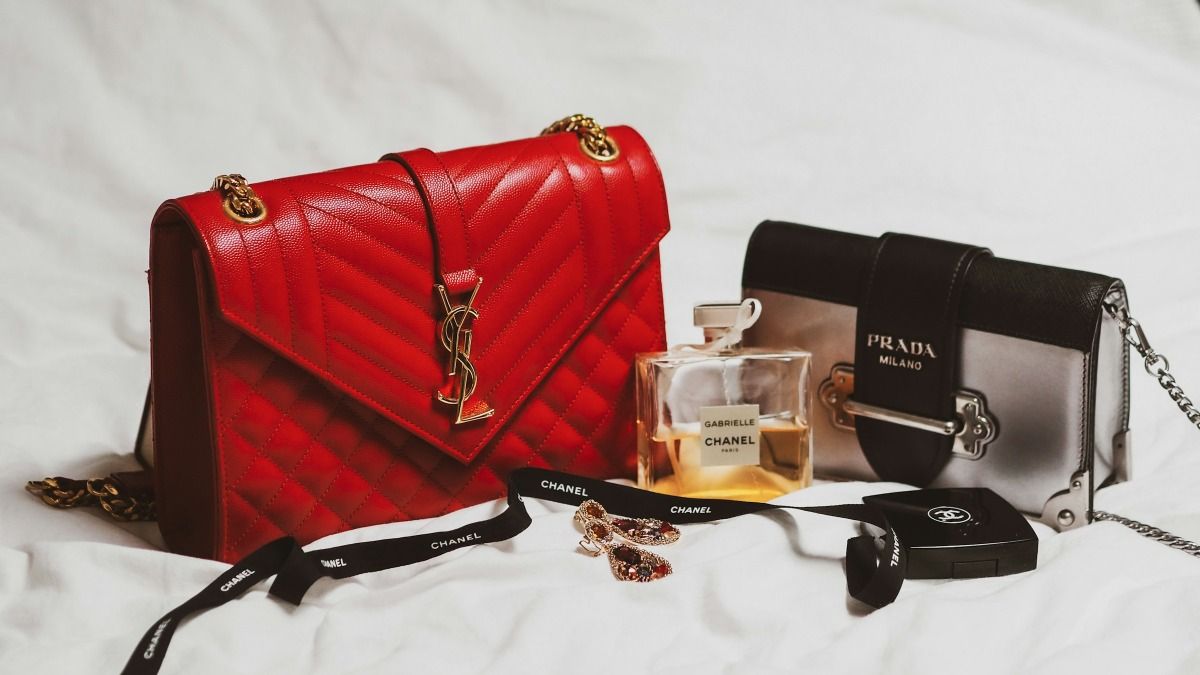
Selling a luxury item for the first time raises real questions: what price is fair, where to list, and how to avoid getting shortchanged. Many sellers asking whether consignment shops buy clothes and designer goods discover that not all resale channels offer the same value or security. Knowing how the process works before committing to a platform makes a measurable difference in what sellers walk away with.
Pick Up Point simplifies this by connecting sellers of pre-owned luxury pieces with buyers who are actively searching for authenticated, high-quality items. The process is straightforward, transparent, and designed to protect both the seller and the item at every stage. Those ready to sell with confidence can start by exploring second hand designer .
Table of Contents
Which Luxury Items Are Worth Selling Secondhand?
Can I Sell Luxury Items That Are No Longer in Perfect Condition?
Is It Better to Sell Luxury Items Online or Through Consignment?
9 Key Steps to Sell Luxury Items as a Beginner
Common Mistakes First-Time Luxury Sellers Should Avoid
How PICKUPPOINT Makes Selling Preloved Luxury Items Easier
Get Your Next Luxury Purchase from PICKUPPOINT
Summary
Watches and jewelry together account for roughly 83 percent of total secondhand luxury sales, according to Bain and Company's 2025 luxury report, which placed the global pre-owned luxury market at an estimated €50 billion. This concentration reflects the material floor that gold, diamonds, and signed stones provide, a floor that leather goods and seasonal fashion simply do not have. Brand premium layered on top of intrinsic material value makes signed pieces from houses like Cartier or Van Cleef and Arpels particularly resilient across market cycles.
Condition affects resale pricing more than most sellers anticipate. Scratched hardware, worn edges, or missing dust bags can reduce an offer by 20 to 40 percent on pieces that would otherwise command premium prices. Sellers who stored their items carefully and retained original packaging, authentication cards, and purchase receipts consistently receive stronger returns than those with rarer pieces in poorer condition.
The fee comparison between online platforms and consignment is narrower than it first appears. eBay's fee structure on a $10,000 watch sale leaves the seller with roughly $8,500 after platform fees and payment processing, while a consignment dealer charging 20 percent nets around $8,000. That $500 gap closes quickly once shipping insurance, professional photography, and return risk are factored in, with return rates in premium segments running between 25 and 35 percent according to ClearSale's fashion and luxury analysis.
The secondary market for classic Hermès, Rolex, Chanel, and Louis Vuitton benefits from designs that remain recognizable across decades rather than depending on trend cycles. Knight Frank's Luxury Investment Index (2025) identified handbags as the top-performing luxury asset class in 2024, with classic Birkins in black Togo leather reaching new highs. Scarcity, mechanical credibility, and stable brand recognition consistently separate pieces that appreciate from those that lose value after purchase.
Worn luxury items still hold real value, but the window to act on that value is narrowing. Reuters reported in October 2026 that available Birkin and Kelly listings are six to seven times pre-pandemic levels, meaning buyers now have significantly more choice and more leverage to negotiate on any visible flaw. A piece with minor wear today competes against a growing pool of cleaner examples, which makes timing a more consequential variable than most sellers recognize.
Authentication is the single most common point where private luxury sales stall or collapse. Buyers who cannot independently verify an item's origin use that uncertainty as negotiation leverage, and sellers without original documentation watch offers drop or disappear entirely. PICKUPPOINT's second hand designer service addresses this directly by running each submission through an internal inspection process covering hardware, stitching, materials, and condition before any listing buyers reaches, so the transaction starts from a position of verified trust rather than seller-asserted claims.
Which Luxury Items Are Worth Selling Secondhand?
Some luxury items grow in value over time. The pieces worth selling secondhand share three qualities : brand recognition that lasts beyond trends, materials that age without losing appeal, and a secondary market with active, motivated buyers .
Quality | Why It Matters | Examples |
|---|---|---|
Brand Recognition | Demand stays strong beyond seasonal trends | Hermès , Chanel , Rolex |
Durable Materials | Leather, gold, and sapphire crystal age without losing appeal | Handbags , watches , fine jewelry |
Active Secondary Market | Motivated buyers drive competitive resale prices | Platforms like The RealReal, Vestiaire |
"The pieces truly worth reselling are those where brand equity , material quality , and buyer demand converge — creating a secondhand value that can rival or exceed the original retail price." — Luxury Resale Market Insight
💡 Tip: Before listing any luxury item, research its resale price history — items with consistent demand and brand prestige will always outperform trend-driven pieces on the secondhand market.
🔑 Takeaway: The three pillars of resale value — brand recognition , material durability , and an active buyer pool — are your non-negotiable checklist before deciding what's worth selling secondhand.

Hermès, Rolex, and the scarcity advantage
Hermès Birkin and Kelly bags consistently outperform other luxury categories because production is deliberately limited. Knight Frank's Luxury Investment Index (2025) showed handbags as the top-performing luxury asset class in 2024, with a 2.8 percent rise, and classic Birkins in black Togo leather reaching new highs on the secondary market. Rolex sports models follow the same logic: controlled supply, mechanical credibility, and a global buyer base unaffected by fashion cycles. When you sell Either, you're transferring something a buyer has likely been searching for months.
Why hard luxury dominates resale volume
Watches and jewelry together account for roughly 83 percent of total secondhand luxury sales, according to Bain and Company's 2025 luxury report , which valued the global pre-owned luxury market at €50 billion. Gold and diamonds hold material value, while signed pieces from Cartier or Van Cleef and Arpels command additional brand premiums. A diamond ring doesn't date the way a logo-heavy seasonal bag might. Provenance, original packaging, and clear authentication pricing history elevate signed jewelry pieces into a distinct tier.
What do buyers actually expect when you sell luxury items?
Most sellers approach resale like a garage sale: list it, hope for interest, and accept whatever comes back. Luxury buyers expect verified condition reports, authentication confidence, and transactions that don't feel like a gamble. Platforms like Second Hand Designer connect sellers of pre-owned designer pieces with qualified, actively searching buyers, shortening the time between listing and sale while protecting both parties.
Chanel and Louis Vuitton: the reliable middle market
Classic Chanel and Louis Vuitton pieces occupy a distinct place in the resale market. While not as scarce as Birkins, they sell steadily because their designs remain recognizable over time. A black Chanel Classic Flap or Louis Vuitton Speedy in monogram canvas needs no trend cycle to justify its price. Buyers know what they're buying, which speeds up the decision. Seasonal pieces or logo-heavy styles lose value once the moment passes, while classic shapes consistently outsell limited editions and hold their value better.
Condition is the variable that changes everything
Brand strength sets the ceiling. Condition determines how close you get to it. Scratched hardware, worn edges, or missing dust bags can drop an offer by 20 to 40 percent on pieces that would otherwise command premium prices. Original boxes, authentication cards, and purchase receipts show buyers the item was cared for, lowering their risk concerns and increasing their willingness to pay. The sellers who achieve the strongest returns aren't always those with the rarest pieces—they're the ones who stored their items carefully and kept the paperwork.
What should you do when learning how to sell luxury items that aren't in perfect condition?
What you do with a piece that isn't in perfect condition changes everything.
Can I Sell Luxury Items That Are No Longer in Perfect Condition?
Used luxury items keep real value — but the key is understanding how condition affects what someone will pay you and whether selling now protects more value than waiting.
"The condition of a luxury item is one of the most critical factors determining its resale value — acting sooner rather than later can mean the difference between maximum return and a significant loss ." — Luxury Resale Market Insight
Condition | Impact on Resale Value | Best Action |
|---|---|---|
Like New | Highest possible price | Sell immediately to lock in value |
Lightly Used | Moderate reduction | Sell soon before further depreciation |
Visibly Worn | Noticeable price drop | Sell now — waiting only costs more |
💡 Tip: Don't wait for the "perfect moment" to sell — every passing month of use or storage can further reduce what a buyer is willing to pay.
⚠️ Warning: Holding onto a worn luxury item hoping its value recovers is a common mistake — condition depreciation is rarely reversible without costly professional restoration.

How much does visible wear actually cost you?
The answer depends on the category. Leather goods show wear fastest and most visibly. Light corner scuffs or darkened handles on a designer bag make it harder to sell immediately, as buyers comparing your bag to a cleaner one will negotiate a lower price based on condition, costing you money.
How does wear on leather and watches affect selling luxury items?
A scratched Rolex case tells a similar story: collectors avoid polished watches because the process removes metal and alters the original finish, so a scratched but unpolished watch can sometimes outperform a "restored" one, as long as the rest of the piece is in good condition. Functional problems like a non-running movement add repair costs that buyers deduct directly from their offer.
Does jewelry hold its value better when condition slips?
Jewelry occupies a different position. Gold, diamonds, and signed stones from houses like Cartier possess material value that leather lacks. Deep scratches or loose settings lower the price compared to a perfect piece, but the metal and stones' intrinsic value remains. What disappears is buyer confidence, and that confidence gap widens with each month a piece sits with a loose prong or tarnished surface.
How does a crowded resale market change what minor wear costs you?
Reuters reported in October 2026 that available Birkin and Kelly listings are six to seven times pre-pandemic levels, giving buyers significantly more choice and negotiating power over visible flaws. A piece with minor wear now competes against a growing pool of cleaner examples. Platforms like Pick Up Point connect sellers directly with a global audience of buyers who understand pre-loved condition and price accordingly, eliminating the extended wait that compounds depreciation.
What should you do before selling a worn piece?
Where you choose to sell a worn piece significantly changes the outcome.
How does honest documentation help when you sell luxury items?
Write down details about the item honestly and completely. Photograph every scratch, worn edge, and hardware mark using natural light. Buyers who receive exactly what they expected don't dispute prices or return items; those who feel surprised do. Accurate condition information shows you know the item, builds trust, and keeps negotiations brief. Include service records, original dust bags, or authenticity cards—provenance partially offsets visual wear in a buyer's mind.
Why should you avoid amateur restoration before you sell luxury items?
Do not try to fix luxury items yourself. Cleaning leather with the wrong product, polishing a watch case at home, or re-dyeing worn edges can make irreversible changes that further reduce value. Luxury resale buyers notice these fixes immediately and price unknown treatments worse than honest wear. Sell the piece as-is, document it clearly, and let the price reflect reality.
Related Reading
How to Sell Adidas Shoes
Where Can I Sell My Dior Bag
How to Sell Prada Handbags
How to Sell a Designer Bag
How To Sell Ray-Ban Sunglasses
Where Can I Sell My Tory Burch Bag
Where Can I Sell My Balenciaga Bag
Best Place To Sell Luxury Watches
Are Consignment Shops Worth It
Where Can I Sell My Versace Sunglasses
Is It Better to Sell Luxury Items Online or Through Consignment?
Selling luxury items online keeps more money in your pocket — until you account for platform fees , return risk , and managing authentication questions from skeptical buyers. The net difference between online and consignment narrows faster than most sellers expect .
"The gap between online and consignment returns closes quickly once platform fees , return risk , and authentication overhead are factored into the final payout." — Industry Insight
Factor | Selling Online | Consignment |
|---|---|---|
Fees | Platform % + listing costs | Commission to consignor |
Return Risk | Seller absorbs returns | Typically managed by shop |
Authentication | Buyer skepticism on seller | Handled by consignor |
Payout Speed | Faster (direct sale) | Slower (wait for buyer) |
Effort Required | High (photos, listings, comms) | Low (drop off and wait) |
💡 Tip: Before choosing a channel, calculate your true net payout by subtracting all fees, shipping, and potential return costs — not just the sale price.
⚠️ Warning: Many sellers overestimate online profits by ignoring hidden costs like authentication disputes, return shipping, and platform penalties for cancellations.

What the fee math actually shows
eBay's fee structure on a $10,000 watch sale leaves the seller with roughly $8,500 after platform fees and payment processing, compared to around $8,000 with a consignment dealer charging 20 percent. This $500 gap disappears once you factor in shipping, insurance, professional photography, and chargebacks. Research from ClearSale's fashion and luxury analysis shows return rates in premium segments running between 25 and 35 percent, with return abuse accounting for 5 to 10 percent of those returns. A single disputed transaction on a high-value piece can cost more than the entire commission you were trying to avoid.
What hidden cost does how to sell luxury items actually reveal?
The failure point is usually time and attention, not the percentage itself. When you list a luxury handbag or watch privately, you handle every inquiry, negotiation, shipping decision, and risk of buyer's remorse. A consignment specialist bundles all of that into a single known cost. For sellers who treat their pre-loved pieces as meaningful objects rather than inventory, handing that operational load to someone else adds real value that doesn't show up in a fee comparison spreadsheet.
Why does listing on multiple platforms undermine selling luxury items effectively?
Most sellers list across multiple platforms at once, hoping more listings offset the extra work. This creates split focus, mismatched prices, and rushed decisions that lead to underselling or overstating item condition. Platforms like second hand designer connect sellers with buyers worldwide who already understand pre-owned luxury items. Our Pick Up Point marketplace removes authenticity concerns and the time-consuming negotiations that reduce final prices.
When selling online genuinely wins
Low-value items that sell quickly, with buyers who don't scrutinize closely, work well for direct online sales. High-value items that depend on condition and need authentication almost always do better when a specialist handles them.
Which item types need specialist channels to sell?
Watches costing more than $5,000 and designer handbags from brands with active secondary markets require verification that private sellers cannot easily provide. Selling through a channel like Pick Up Point , which has authentication credibility, removes the barrier preventing buyers from completing purchases.
How do you calculate the best channel when you sell luxury items?
The best channel gives you the highest net return after all costs, not the lowest commission rate. For luxury pieces above a certain value threshold, specialist resale offers superior returns. Ask "how do I convert this piece into actual money with the least risk?" rather than "how do I keep the most gross revenue?"
Related Reading
How To Sell Rado Watch
Can You Sell A Rolex Without Papers
Louis Vuitton Dust Bag Real Vs Fake
Which Consignment Shops Pay The Most
How to Sell Chanel Bags
How to Sell a Cartier Watch
How to Sell My Rolex Watch
How To Sell Patek Philippe Watch
How To Start A Consignment Store
Where Can I Sell My Louis Vuitton Bag
How Much Can I Sell My Rolex For
9 Key Steps to Sell Luxury Items as a Beginner
Selling luxury items means proving they are real, checking their condition , setting a fair price , and showing pieces to buyers with confidence . These nine steps will help you prepare and handle the selling process effectively.
"The luxury resale market is one of the fastest-growing segments in retail — sellers who follow a structured process consistently achieve higher returns and faster sales ." — Luxury Resale Industry Insight
Step | What It Involves | Why It Matters |
|---|---|---|
1. Prove Authenticity | Gather certificates, receipts, and tags | Builds buyer trust instantly |
2. Assess Condition | Check for wear, damage, and completeness | Sets realistic expectations |
3. Price Fairly | Research comps and market value | Ensures a competitive listing |
4. Present Confidently | Use quality photos and clear descriptions | Drives faster, higher offers |
5. Choose the Right Platform | Match item to the best marketplace | Maximizes audience reach |
6. Build Credibility | Collect reviews and seller ratings | Establishes long-term reputation |
7. Communicate Clearly | Respond quickly and professionally | Reduces buyer hesitation |
8. Package Properly | Use secure, branded-style packaging | Protects value and impresses buyers |
9. Close the Sale | Confirm payment and ship promptly | Delivers a seamless experience |
🎯 Key Point: Luxury resale success is not about luck — it's about following a proven, step-by-step process that builds trust at every stage.
💡 Tip: Before listing any luxury item, always gather original receipts , authenticity cards , and original packaging — these details can increase your final sale price significantly .

1. Gather Every Accessory and Document
Collect the original box, dust bag, receipt, authenticity card , warranty papers, and any extra straps or hardware. Buyers pay more for the complete set because it confirms care and origin. Missing items lower your final amount. Lay everything out in one place so you don't leave anything behind when you list or hand over the item.
2. Check the Condition Honestly
Look at every surface in bright light and note any scratches, scuffs, stains, worn hardware, and repairs. Rate the item as excellent, very good, good, or fair. Honest descriptions prevent disputes, help you set the right price, and build trust, while hidden flaws can ruin sales.
3. Research Recent Selling Prices
Search completed sales of the exact model, color, and condition on major sites. Ignore asking prices and focus on what people actually paid. Record three to five recent results and use the middle range as your starting point. Brand, rarity, and current demand shift prices quickly, so this research prevents you from overpricing or undervaluing your item.
4. Clean the item with Care
Remove the contents and wipe down the surfaces with the appropriate cleaner for the material. Use a soft cloth on leather and a gentle solution on canvas. Avoid harsh chemicals that can damage hardware or fade color. If you're uncertain about the material, consult a specialist.
5. Choose Your Selling Path
Decide whether you want full control or hands-off help. Private online sales offer the highest potential payout but require you to manage photos, questions, shipping, and payment risk. Consignment transfers those tasks to a specialist who authenticates and lists the item for a commission. Platforms like Pick Up Point handle authentication, photography, grading, and worldwide shipping with an authenticity guarantee to avoid buyer disputes. Match your approach to the time and risk you're willing to accept.
6. Take Clear Photos from Every Angle
Take pictures of the front, back, sides, inside, hardware, stamps, and any damage in natural daylight. Include close-ups of the serial number or date code. Use a plain background and avoid filters that alter color. Quality photos answer buyer questions immediately and reduce returns. If you use a consignment service, the platform handles professional photography.
7. Set a Realistic Price
Start with the researched sale range and adjust for condition and included extras. Price slightly above your minimum to leave room for negotiation. Monitor similar listings for a few days and lower if nothing moves. An accurate price attracts serious buyers, not tire-kickers.
8. List or Submit the Item
Write a short, factual description that includes the brand, model, size, color, condition, and included items. Post on your chosen channel or submit to a consignment service. Respond to questions within a day: clear listings move faster because buyers trust the details.
9. Finish the Sale Safely
Only accept payment through a method that keeps you safe until the item reaches the buyer. Ship expensive pieces with insurance, tracking, and signature confirmation. Keep all messages and receipts in one folder. Once the buyer confirms receipt and payment clears, the process is complete.
Common Mistakes First-Time Luxury Sellers Should Avoid
Selling luxury items for the first time means figuring out pricing, verifying authenticity, checking condition, and understanding buyer expectations. Avoiding common mistakes protects your item's value, builds buyer trust, and simplifies the process.
"First-time luxury sellers who skip authentication, misjudge pricing, or overlook condition details risk losing buyer trust — and significant resale value — before the sale even begins."
⚠️ Warning: Skipping any of these four critical steps — pricing, authentication, condition assessment, and buyer research — is the fastest way to undermine your sale and leave money on the table.
Common Mistake | Why It Matters | What to Do Instead |
|---|---|---|
Mispricing the item | Overpricing drives buyers away; underpricing loses value | Research comparable sold listings before setting a price |
Skipping authentication | Buyers won't trust unverified luxury goods | Use a certified authenticator or platform verification |
Ignoring condition details | Hidden flaws destroy buyer confidence | Document every detail with high-quality photos |
Misreading buyer expectations | Luxury buyers expect a premium experience | Communicate clearly and present your item professionally |
💡 Tip: Before listing, invest time in understanding your buyer — luxury shoppers are highly discerning and expect transparency, authenticity, and professionalism at every step.
🔑 Takeaway: A well-priced, authenticated, and honestly presented luxury item doesn't just sell faster — it commands maximum value and builds the seller reputation that keeps buyers coming back.

Pricing from the Original Retail Number
Many new sellers price based on boutique cost or insurance appraisal, both of which reflect replacement cost rather than secondary market value . Research recently completed sales of the same model in similar conditions to determine the realistic range. Pricing too high extends listing time and forces later price cuts. Start within the market range to move inventory.
Hiding Wear or Odors in the Description
Buyers scrutinize photos and notes. Corner scuffs, interior stains, tarnished hardware, or odors from smoke, perfume, or storage lower the price and cause problems if you don't disclose them. Describe every flaw clearly and show it in daylight photos. Honest condition notes build trust and prevent returns.
Leaving Out the Box, Papers, or Extra Pieces
The full set of box, dust bag, receipt, authenticity card, and spare straps raises the final amount. Missing documents make buyers question the item's provenance and lower offers. Gather every original item before listing or submitting the piece.
Polishing or Repairing the Item Yourself
Cleaning your home with the wrong product, polishing a watch case, or fixing a scratch without brand records can lower its value. Buyers prefer items in their original condition over those with unprofessional repairs. Third-party repairs that change the color or hardware raise red flags. Clean items only with methods safe for the material, or let a specialist handle repairs. Original surfaces sell better than altered ones.
Using Asking Prices Instead of Sold Prices
Listings show what sellers hope to get; completed sales show what buyers actually paid. Pricing from the highest active listing leads to slow results and price cuts. Review several recent sold examples of the exact model and condition, then price near the middle of those results to keep expectations realistic and attract serious offers.
Skipping Authentication Proof
Luxury buyers and platforms reject items without clear proof of origin. Serial numbers, date codes, stamps, and matching papers confirm authenticity. Selling unverified items risks returns, account suspension, or legal problems. Confirm authenticity yourself or through a trusted service before listing.
Accepting the First Offer Without Checking Others
The first number you get is rarely the best. Different channels, dealers, and private buyers pay different amounts after fees and timelines. Compare at least two or three options on net proceeds, not just the headline price, before accepting.
Shipping Without Insurance or Tracking
Expensive items can get lost, damaged, or cause payment problems during shipping. If you send something without full insurance, tracking, and a signature requirement, you might not get paid if something goes wrong. Use a shipping method that protects the full value of your item and keep records of every step.
How PICKUPPOINT Makes Selling Preloved Luxury Items Easier
Selling a used luxury item requires solving four problems at once: proving it is real, setting the right price, reaching the right buyer, and managing the sale without taking on all the risk yourself. Most sellers solve one or two of these problems and struggle with the rest. A structured consignment process helps bridge that gap.
"Selling preloved luxury successfully means solving authenticity, pricing, audience, and risk — all at once." — The PICKUPPOINT Consignment Framework
🎯 Key Point: The four core challenges of luxury resale — authentication, pricing, buyer reach, and risk management — must all be addressed for a successful sale. Solving only some of them is where most private sellers fall short.
Challenge | What Goes Wrong Without Help | How a Structured Process Solves It |
|---|---|---|
Proving Authenticity | Buyers doubt legitimacy; sales fall through | Professional authentication verification builds trust |
Setting the Right Price | Overpricing kills interest; underpricing loses money | Market-informed pricing maximizes your return |
Reaching the Right Buyer | Limited personal network = limited offers | Access to a targeted luxury buyer audience |
Managing Risk | Fraud, no-shows, and disputes fall on you | Consignment structure absorbs and manages seller risk |
💡 Tip: If you're preparing to sell a preloved luxury item, don't go it alone. A consignment-based platform like PICKUPPOINT is designed to handle all four challenges — so you can focus on the outcome, not the process.
Why does authentication matter when you sell luxury items?
Authentication is the main failure point. Private buyers ask repeatedly, and sellers without original receipts watch offers drop. Pick Up Point's internal inspection covers hardware, stitching, materials, and documentation before listing. Items reach buyers already verified, so conversations start from trust rather than suspicion. Sellers no longer spend days fielding "is this real?" messages.
How does pricing strategy affect selling luxury items profitably?
Pricing is where sellers quietly lose money. Underpricing occurs when sellers guess low to move inventory quickly; overpricing stems from emotional attachment inflating the ask. Pick Up Point grades each piece as New, Excellent, or Great Condition with detailed notes and sets prices based on current market data rather than seller instinct. Professional photography from every angle reduces buyer hesitation and accelerates sales.
How does PICKUPPOINT handle the operational risk for sellers?
Pick Up Point handles all the work. Losing a single shipment or facing a return issue on an expensive bag can erase months of profit. Our platform communicates with buyers, ships items globally, and manages post-sale operations. Sellers deliver pieces to the Macau studio or submit them online, then receive payment once the sale is complete.
What happens when documentation is incomplete?
Missing cards or receipts typically invite lowball offers because buyers cannot independently confirm the item's origin. Pick Up Point sources pieces from a closed group of long-standing fashion industry contacts and runs each submission through its verification process regardless of paperwork. The documented inspection itself becomes the provenance record, allowing buyers to purchase with that assurance rather than relying on seller-provided documentation alone.
How does knowing how to sell luxury items connect to broader impact?
Selling through a verified circular channel means the piece reaches someone who will use it, extending its life rather than letting it sit unused. The global pre-owned luxury market reflects growing awareness that fashion consumption has environmental impact, and choosing resale instead of disposal is a trackable action within that change. Once you know how to sell well, the next question most people never ask can change how you think about luxury altogether.
Related Reading
Consignment Shops Vs Thrift Stores
How To Sell Omega Watch
Best Luxury Shoe Consignment Stores
Chanel Dust Bag Real Vs Fake
Best Pre-owned Luxury Consignment Stores
Best Luxury Consignment Shops For Used Clothes
How To Sell A Breitling Watch
Best Luxury Consignment App
Designer Bags That Hold Value
Get your Next Luxury Purchase from PICKUPPOINT
The biggest challenge that sellers in Macau face is finding a trustworthy local partner to handle consignment: showing pieces to the right buyers, managing questions, and keeping the process moving without constant involvement.
"The hardest part of selling luxury preloved pieces isn't the item itself — it's finding a trusted local partner who knows the buyers, manages the process, and keeps things moving." — A core challenge for Macau's secondhand luxury market
💡 Tip: The right consignment partner handles buyer relationships, item presentation, and process management, so you never have to chase down a sale yourself.

Pick Up Point does exactly that. As a dedicated local consignment service for preloved designer handbags , shoes, clothing, and accessories, we connect your unused pieces to a secondhand fashion community built around fashion, people, and environmental responsibility . Your Chanel bag or Bottega Veneta shoes move to someone who genuinely wants them. Contact the team directly to confirm commission terms and timelines , as these are confirmed on a case-by-case basis.
🎯 Key Point: Pick Up Point is Macau's dedicated preloved luxury consignment service — connecting your designer pieces to buyers who truly want them.
✅ Best Practice: Before consigning, contact the team directly to confirm your commission rate and expected timeline — every consignment is handled individually for the best outcome.
What You Bring | What Pick Up Point Handles |
|---|---|
Designer handbags (e.g., Chanel) | Buyer outreach & matching |
Luxury shoes (eg Bottega Veneta) | Questions & negotiations |
Preloved clothing & accessories | Process management & timelines |
Your unused pieces | Commission terms (confirmed individually) |